

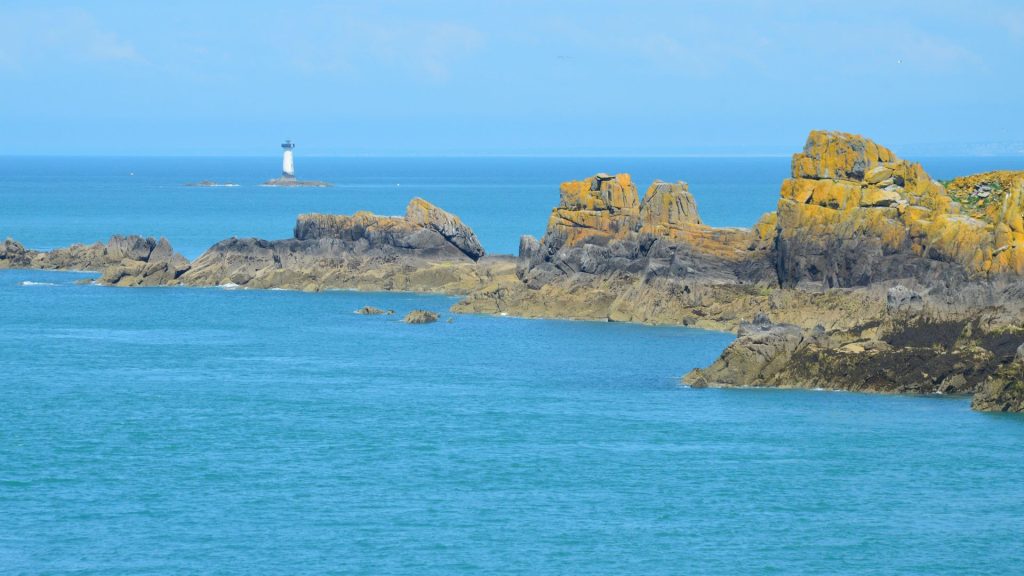
Brittany, a distinctive region in northwest France is one of the most beautiful and culturally rich regions. The place is known for its sandy beaches, dramatic coastline, charming fishing villages and vibrant culture. Yes, there are tourist destinations like Paris and the French Riviera that have the greatest number of visitors, but Brittany’s perfect mix of cultural, coastal and country vibe attracts over 13 million tourists every year, making it one of the most visited regions in France. If you are planning a coastal vacation or a cultural getaway, our ultimate guide to Brittany offers a completely different experience.

Table of Contents
When Is The Best Time To Visit Brittany France
Summer (June to August)
Summer is the most popular season and the best time to visit Brittany. With temperatures ranging between 20°C to 24°C the weather is generally warm. The long and sunny days are the perfect time to experience Brittany’s stunning landscapes and beaches. This time of the year is when the sailing events and cultural festivals take place.
Autumn (September to October)
The best part of an Autumn visit is, fewer crowds and mild temperature. For those looking to explore at a slower pace, this is the best time. Temperatures range between 10°C to 17°C, which is the perfect temperature for harvesting oysters and mussels.
Winter (November to February)
Temperature in Brittany during winters can drop to as low as 4°C. With rain and cold winds, the atmosphere is very cozy, perfect for enjoying good seafood and relaxing.
Spring (March to May)
Spring in Brittany brings with it some magic; pleasantly mild weather, blooming wild flowers, greener landscape and fewer tourists than in the summer months. With temperatures ranging between 11°C to 18°C it happens to be a great time for exploring and photography.
How Can Visitors Travel Around Brittany
The most convenient way to explore Brittany is by car, especially if you want to visit medieval villages and remote beaches. The other transportation options include:
– Rent cars at major transit hubs like the RNS and BES airport.
– Trains that connect major towns seamlessly.
– Bus, use BreizhGo (official public coach network) to go around the towns and villages.
– Ferries to connect the mainland with internal canals and islands.
– Rent bikes from tourist offices.
What Are The Top Places To Visit In Brittany
From iconic medieval towns to rugged Atlantic coastline, from gorgeous little villages to maritime heritage, this list of best places to visit in Brittany covers them all.
Saint-Malo: Walled Port City Historic Towns

Saint-Malo is a fortified port city known for its stunning coastline, unspoilt landscape and maritime heritage. Its mix of beaches, history and natural beauty makes it one of the most popular destinations in Brittany.
Location In Brittany: Northern coast of the Brittany region.
Places To See: Remparts, Château de Saint-Malo, Cathédrale Saint-Vincent, Plage de Bon-Secours.
Travel Tips: Check for daily tide times before arriving as high tide can completely cut off pathways.
Rennes: Capital Of Brittany

Rennes is the capital city of Brittany and one of France’s most liveable cities. The place is known for its medieval charm and bold contemporary architecture.
Location In Brittany: At the meeting point of the Ille and Vilaine rivers.
Places To See: Place des Lices, Parlement de Bretagne, Couvent des Jacobins, Les Champs Libres.
Travel Tips: Visit Place des Lices market on a Saturday.
Dinan: Riverside Town
Dinan is a charming riverside town, so charming that it is considered the “prettiest” town in Brittany. The town is known for its beautiful riverside scenery, 13th century castles and cobblestone streets.
Location In Brittany: On the left bank of the Rance River estuary.
Places To See: Gothic St Malo church, Castle of Dinan, Rue du Jerzual and Rue du Petit Fort.
Travel Tips: Comfortable footwear recommended as streets are cobbled and steep.
Quimper: Cultural Heart
Once the ancient capital of the countship Cornouaille, today Quimper is known for its traditional tin-glazed pottery. They have been producing these Faïence pottery for more than three centuries now. It is a great place for people with a taste for art.
Location In Brittany: Southwestern Brittany near the Atlantic Ocean.
Places To See: Musée de Faïence, Cathédrale de St Corentin, Jardin de la Retraite.
Travel Tips: Plan your trip around Breton celebrations (Festival Le Cornouaille – July 23 to July 26).
Carnac: Ancient Standing Stones

Carnac is a small town in Brittany known for having the densest collection of prehistoric standing stones. This sun-drenched coastal town attracts travellers with a flair for archaeology and ancient history.
Location In Brittany: Between the Gulf of Morbihan and the Quiberon Peninsula.
Places To See: megalithic stones, Musée de Préhistoire, Église St Cornély, Carnac-Plage
Travel Tips: Public access is restricted, hence book a guided tour to walk directly among the megaliths.
Brest: Port City
Brest is a port city known for its rich maritime heritage and naval base. This dynamic destination is also listed as the city of art and history. From great ocean views to cultural sites and water-based activities, Brest is in the forefront in more ways than one.
Location In Brittany: Located on the slopes of the Penfeld River.
Places To See: Brest Castle, Tour Tanguy, National Botanical Conservatory.
Travel Tips: Come prepared for the strong coastal winds.
Things To Do In Brittany
– Brittany has some beautiful beaches; swim, dive, relax or enjoy the variety of seaside activities.
– Enjoy the lively atmosphere of the picture-perfect villages, towns and cities.
– Hike the GR34 Trail that offers some of the most breathtaking sights in France.
– Explore the rich cultural and architectural heritage by visiting the historic landmarks.
– Visit the Carnac standing stones, the world’s largest collection of prehistoric standing stones.
– Walk through the medieval village of Locronan, one of France’s most beautiful villages.
– Attend some of Brittany’s lively festivals like Interceltique, La Route du Rhum and Fest-Noz.
– Taste the incredibly fresh seafood along Brittany’s extensive coastline.
– Photograph the pink rock formations and scenic ocean views.
Travel Tips For Brittany
- Use public transport to move between major hubs, however renting a car is the best way to explore remote coastal villages.
- Make sure to visit popular tourist attractions early in the morning to beat the crowd.
- Though English is spoken in tourist areas, learning a few basic French phrases is an added bonus.
- Pack layers of clothing to suit all seasons as the Atlantic climate can change quickly.
- Due to massive influx of local and international travellers during summer,
- It is advisable to book accommodation early.
- For authentic local flavors, try food cooked in smaller fishing villages.
- Appreciate and be mindful of your surroundings.
- Bring back souvenirs which are meaningful and created locally.
Also Read: 42 Of The Most Beautiful Places In The UK To Visit
Finally, Is Brittany Worth Visiting?
Yes, Brittany is definitely a place worth visiting as it offers a perfect combination of rich history, dramatic coastline and unbeatable cuisine. Be it the Mediterranean beach vibe or the medieval streets of Dinan, Brittany will make you fall in love with it instantly. If you are a person looking to embrace the wild coastal views, Brittany is the place to be.
FAQs
Brittany is famous for its stunning islands and beaches, charming villages, ancient megalithic sites and world-class seafood options.
If you are on a short trip, 3 to 5 days is the ideal time to see all the major attractions. However, to see the true diversity of the region, 7 to 10 days is required.
There are high speed TGV trains operating between Paris to Rennes, Saint Malo and Brest that take about 1.5 hrs to 3hrs.
Grande Plage du Sillon, Plage de l’Île Vierge, Plage de la Mine d’Or, Plage de Tahiti and Plage de la Torche are the top five beaches in Brittany.
Yes, there are plenty of islands worth visiting near Brittany. Île de Bréhat, Belle-Île-en-Mer, Archipel des Glénans, Île de Sein and Île de Groix are some of the best Islands to visit.
Hiking the GR 34 coastal trail, wind surfing, kayaking, paddleboarding, Island hopping and cycling are some of the best outdoor activities to do in Brittany.