Experience Travel Differently
From bustling cities to remote villages, pristine beaches to towering mountains, and historical landmarks to off-the-beaten-path gems, our travel blogs offer valuable tips and recommendations to fellow travelers.
Latest Travelogues
Embrace the spirit of wanderlust and unveil the world's wonders with our latest travel blogs.
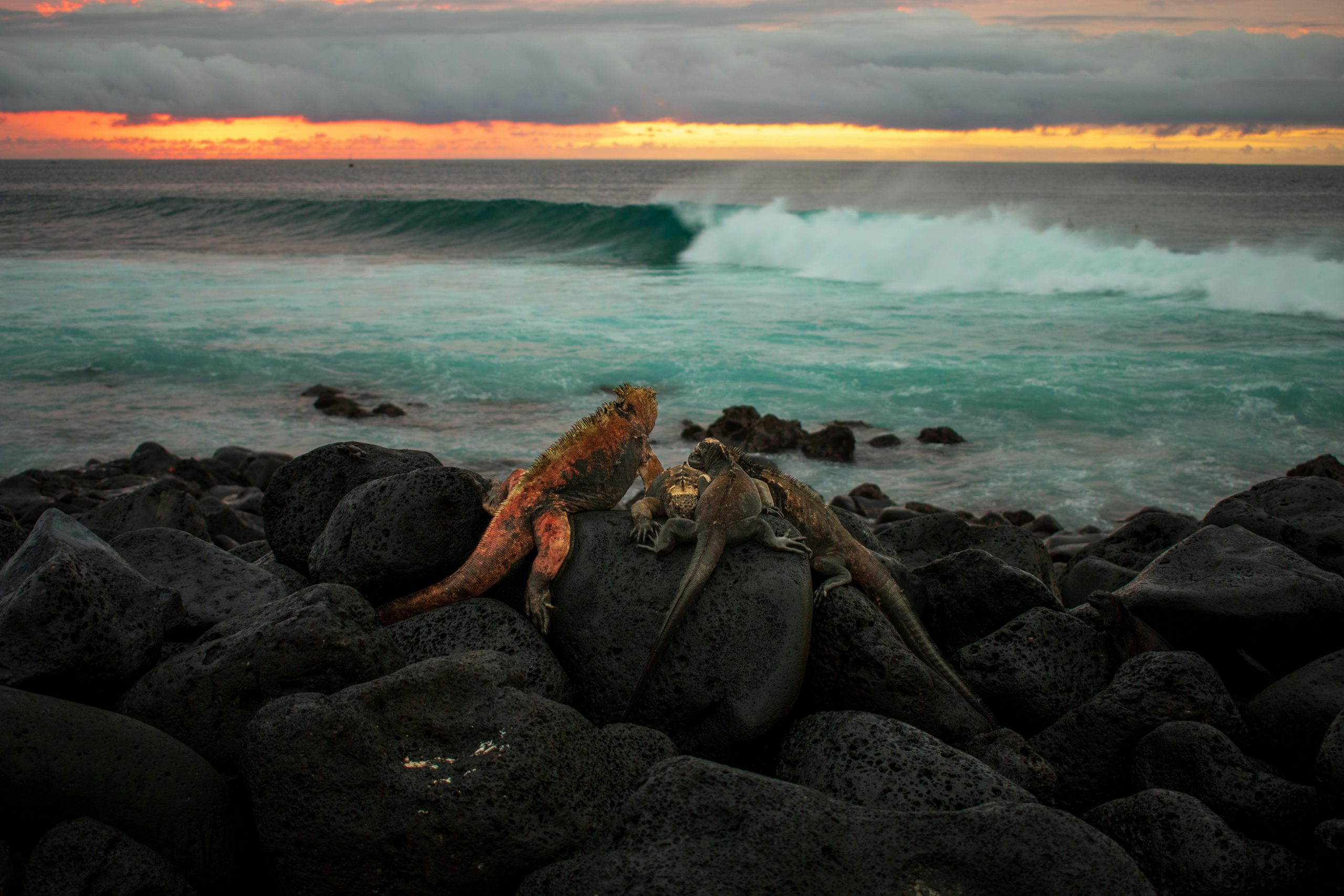
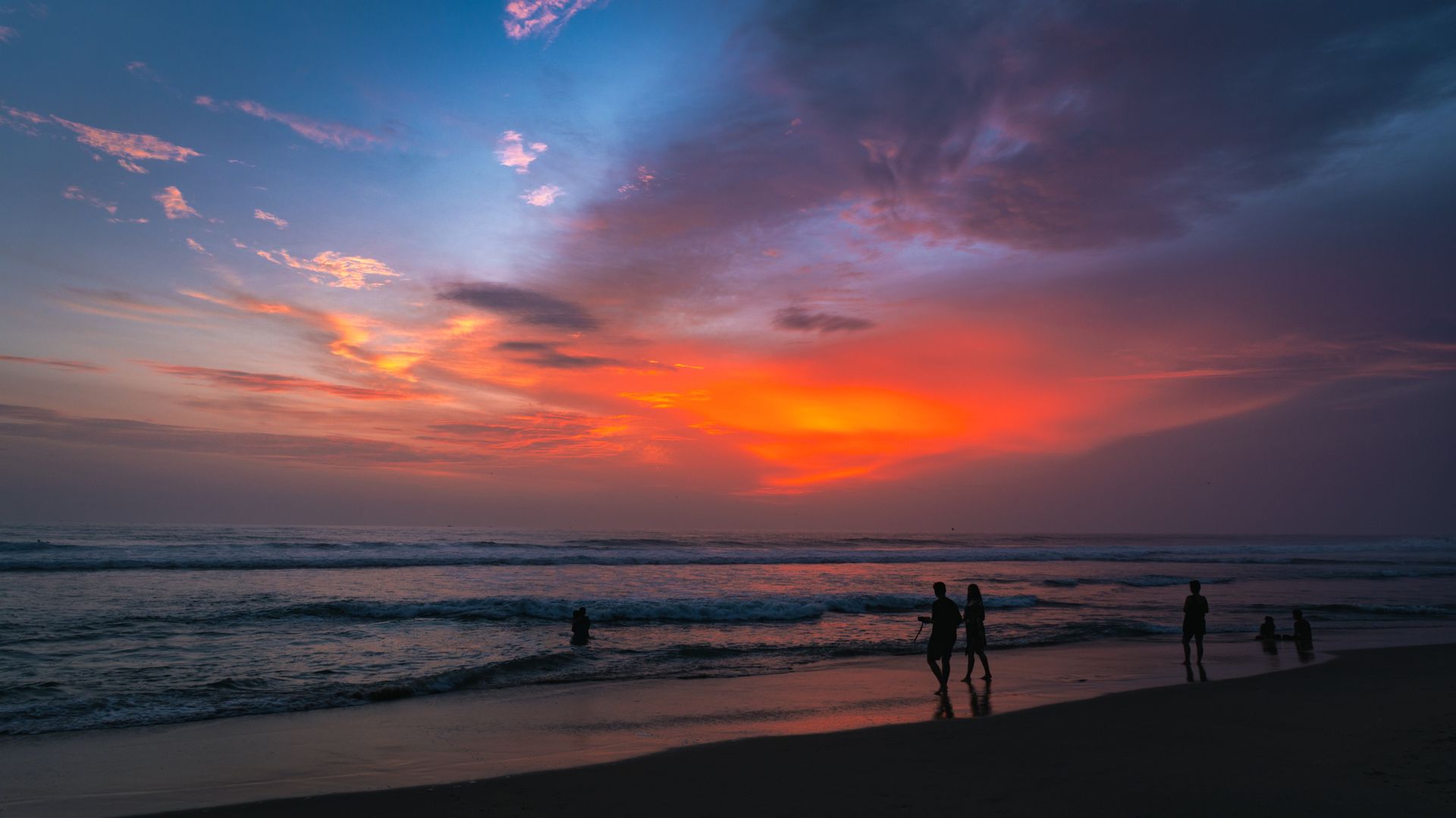
The Galapagos Islands, a remote volcanic archipelago is one of the most biologically diverse destinations in the world. It is home to some rare endemic species, volcanic landscapes and pristine beaches. It was only after the visit of British naturalist Charles Darwin’s and thereby his development of the theory of evolution, that the island became famous globally. Today, the Galapagos is visited by nature explorers, wildlife enthusiasts, scuba divers, photographers and eco-tourists from all over the world. Here’s a complete guide to the Galapagos Islands that covers the top islands, best time to visit, wildlife experiences, things to do, travel tips, and everything needed to plan a memorable trip. Galapagos Islands are located off the coast of Ecuador in South America. (Image Source: Unsplash) Where Are The Galapagos Islands Located The Galapagos Islands are located roughly 1000km off the coast of Ecuador in South America. These rugged volcanic archipelago in the Pacific Ocean are scattered over 20,000 square miles. The Galapagos Islands are geologically younger and more active in the west, while the east is older. Puerto Baquerizo Moreno located on the southwestern coast of San Cristóbal Island is its capital. Key Geographical Features Of The Galapagos Islands It comprises 13 major islands, 6 smaller islands, and numerous islets. Of the 19 islands, 13 of them are volcanic. Stunning landscapes with large calderas, crater lakes, coastal mangroves, and stark lava fields. The island has been recognised as a UNESCO World Heritage Site since 1978. 97% of the total land mass is allotted for National Park and the remaining 3% of the land area is for human settlement. The island is shaped by three major ocean currents: Humboldt, Panama, and Cromwell currents. History Of The Galapagos Islands In South America The Galapagos Islands were formed 5–10 million years ago, but it was discovered only in the 16th century. Here’s a timeline of how the island has evolved over the years. 1535: The island was discovered by a Spanish Bishop Fray Tomás de Berlanga by chance when his ship drifted off course due to strong currents. 1683: It became a remote hideout for British buccaneers to repair ships and restock supplies while attacking Spanish ships. 1793: Major stop forwhalers for heavy whaling activity and to harvest tortoises for food. 1832: The Republic of Ecuador officially took possession of the archipelago. 1835: English naturalist Charles Darwin spent five weeks exploring the island and came up with the theory of evolution by natural selection. 1959: Ecuadorian government declared 97% of the land area as a national park. 1978: First ever site to be designated as the World Natural Heritage site by UNESCO. Mother bird feeding the baby bird. (Image Source: Pixabay) How To Get To The Galapagos Islands Galapagos Islands has two airports: Seymour Airport (GPS) in Baltra Island San Cristóbal Airport (SCY) in San Cristóbal Island Quito and Guayaquil are two main gateways to the island. Major airports in both cities offer direct flights to the archipelago. Generally, these flights depart early in the morning, so you can spend at least one night in either of these cities. Quito - Mariscal Sucre International Airport (UIO) Guayaquil - José Joaquín de Olmedo International Airport (GYE) Top Islands To Visit In The Galapagos Only four of the 19 islands are inhabited by humans. Of the remaining islands some are strictly restricted to scientific researchers only, while some islands only allow boat-based viewing. The four inhabited islands are as below: Santa Cruz Island This lovely little island town is home to the archipelago’s largest human population. Puerto Ayora is the largest and most populated town here. The town has excellent restaurants, accommodations, tour operators and transportation links, making it a comfortable spot for island exploration. Red colored crabs resting on the rocks of the island. (Image Source: Unsplash) Things To Do In Santa Cruz Island Learn about conservation efforts at Charles Darwin research station. Relax, sunbath or swim at Tortuga Bay. Visit the El Chato Giant Tortoise Reserve. Take a dip at Las Grietas. Book a day tour to North Seymour Island. Also Read: Travel Guide To Santa Cruz Island In Ecuador San Cristobal Island San Cristobal Island is one of the easiest islands for travellers to explore. Efforts are on to make it the main hub for tourism, like Santa Cruz. This medium-sized town offers both wildlife encounters with cultural experiences. Things To Do In San Cristobal Island Go diving and snorkelling through the two giant splits in the Kicker Rock. Watch hundreds of sea lions and Galapagos iguana in La Loberia beach. Understand the process of tortoise breeding at Galapaguera de Cerro Colorado. Learn about natural history and geology at the Interpretation Centre. Isabela Island For many travellers, Isabela Island (largest island in the Galapagos) is the highlight of their Galapagos journey as it has a different vibe in comparison with the other islands. The beautiful Galapagos beaches, quiet and sleepy vibe of the place are the top reasons for people to extend their stay at Isabela Island. Things To Do In Isabela Island Hike to Sierra Negra Volcano, one of the largest active volcanic craters in the world. Go snorkelling at Los Tuneles, as it is one of the best spots for it. Catch the American flamingos when they come to feed at Flamingo Lagoon. Visit the Arnaldo Tupiza Giant Tortoise breeding centre. Walk through the expansive lava field called Tintoreras Floreana Island Floreana Island is one of the oldest and least populated (below 200 people) islands in the Galapagos. Travellers generally opt to go on a day trip rather than staying overnight as it is a very sleepy town. Endemic giant tortoises roaming about the place is the highlight of the place. Things To Do In Floreana Island Go snorkelling at the Devil’s Crown. See the giant tortoise near the pirate caves. Explore, relax and unwind in the peaceful atmosphere. Galapagos Islands is a year-round destination. (Image Source: Unsplash) Best Time To Visit Galapagos is a year-round destination and the best time to visit depends on what you want to see and how you want to explore. To help plan better, let’s take a look at how the weather is in Galapagos throughout the year. December To May – Warm And Sunny Season Weather in the islands during this time is warmer and the sea is calmer, making it ideal for families and first-time visitors. The entire place looks green and fresh after the monsoons. Ideal conditions for diving and snorkelling. Mating season for green sea turtles and hatching tortoises. Best time for wildlife viewing. Clear water with better underwater visibility. Lush, green, and vibrant landscapes. June To November – Cool And Dry Season Weather in the islands during this time is cool due to the Humboldt Current that passes through the island. The current also brings with it nutrient-rich waters that attract marine life. Best time for viewing Galapagos penguins and whales. Rough sea which is preferred by adventure divers and wildlife enthusiasts. Spot sea lion pups, migratory whales and dolphins. Great weather for trekking to active volcanic sites like Sierra Negra. Best Things To Do In The Galapagos Islands Snorkelling And Scuba Diving Kayaking And Paddleboarding Island Hopping Wildlife Photography Hiking through the volcanoes Spot wildlife on stunning beaches Great sunset views in one of the islands in Galapagos. (Image Source: Pexels) Galapagos Cruises Vs Land-Based Tours The only two ways of exploring the Galapagos is by taking a cruise or by taking a land tour. Let’s take a look at the pros and cons of both the Galapagos Islands Tours: Galapagos CruisesProsConsAccess to remote and isolated wildlife areasNot budget friendlyCan travel between islands at nightSeasickness possibilities are highMake maximum use of timeLess contact with localsEasy access to snorkelling and divingNo much of flexibility Land-Based ToursProsConsFlexible and independent exploration Limited access to remote islandsNightlife and Local dining experiencesLess time for wildlife viewingCan explore inhabited islandsLess time at most of the stopsBudget friendlyPlace is often crowded Only four of the 19 islands are inhabited by humans. (Image Source: Unsplash) Travel Tips For Visiting The Galapagos Islands Book your Galapagos tours and flights in advance as they tend to sell out fast. Follow all rules put forward by the Galapagos National Park. Avoid touching, feeding and maintain good distance from animals. Carry sunglasses, sunscreen, lip balm and a hat to protect from the equatorial sun. Pack lightweight dresses and comfortable footwear as there will be a lot of walking to do. Pack essential items like prescribed medicines, motion sickness medicine and a first aid kit. Carrying cash is highly recommended as ATMs are limited. Get binoculars and a camera to see and capture the incredible scenery and wildlife. The Internet can be slow or limited on some islands, be prepared for the same. Sustainable Tourism In The Galapagos Islands The Galapagos Islands are one of the most extraordinary wildlife destinations in the world. Hence, as responsible travellers it is our duty to protect the ecosystem by practising sustainable tourism. By doing so, we can help preserve the fragile environment and wildlife for the future generations. Listed below are few key points that will help protect the islands: Choosing eco-friendly operators that are recognized by the Galapagos National Park Directorate. Always book certified naturalist guides who have expert local knowledge. Follow all park and conservation rules strictly. Walk on designated paths and maintain at least 2 meters distance from wildlife. Avoid use of plastic. Pack biodegradable sunscreen and reef safe toiletries. Do not buy products made from animal derivatives like shell, corals, animal skin. Suggested Reads: Month-By-Month Guide To The Best Places To Visit In South America Final Words From the high percentage of unique endemic species to unusual volcanic landscapes, from Darwin’s theory of natural selection to world-class diving sites, the Galapagos Islands offer unique experiences unlike anywhere else in the world. Whether you are a wildlife enthusiast, ecotourist or an adventure seeker, this pristine volcanic archipelago offers an unforgettable experience. When you go on your Galapagos vacation, do share your experience with us, we would love to hear from you. FAQs What should I pack for a trip to the Galápagos Islands? Good hiking shoes, hat, sunglasses, daypack, reusable water bottle, insect repellent, motion sickness medicines, lightweight and breathable clothing are a must pack for a trip to the Galápagos. How many days are enough to explore the Galápagos Islands? 4 to 5 days is a good time to visit for first timers. For island hopping and wildlife experiences a minimum of 7 days is a must. People looking for a relaxed exploration, 10 to 12 days is recommended. What wildlife can you see in the Galápagos Islands? Marine iguana, Galapagos penguin, frigatebird, Galapagos sea lions, Galapagos giant tortoise, flightless cormorant, finches, Blue-footed booby and Great frigatebirds can be spotted on many islands in the Galapagos. What are the accommodation options in the Galápagos Islands? Puerto Ayora and Santa Cruz Island have many accommodation options to choose from. Most of the top accommodations have access to restaurants, shops, and attractions within walking distance. Do I need a special permit to visit the Galápagos Islands? Yes, it is mandatory to have a Transit Control Card (TCT) and a Galápagos National Park Entrance Fee to visit Galápagos Islands. One also needs to fill a biosecurity declaration online within 48 hours of travel.

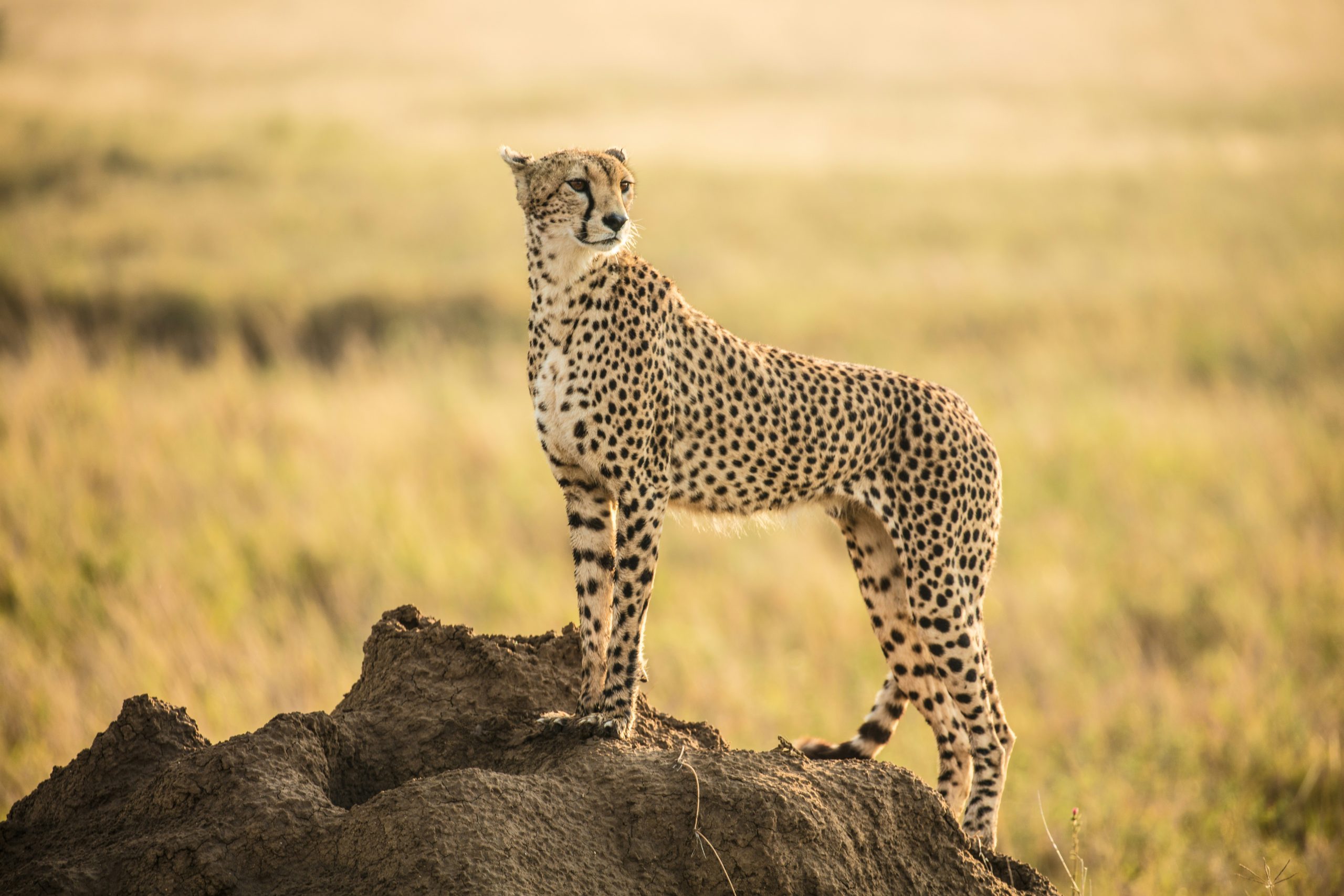
Serengeti National Park in Tanzania is one of the most sought-after safari destinations in the world. From the legendary Great Migration to its untouched wilderness, the 14,750 square kilometers national park offers one of the most immersive experiences in the world. This UNESCO world heritage site has not just been recognized as Africa’s most renowned wildlife reserves but also as one of the “Seven Natural Wonders of Africa” and the “Ten Natural Wonders of the World.” With so many feathers in the cap, this destination should be on the top of every safari enthusiast bucket list. So, if you’re planning a trip to Serengeti National Park and don’t know where to start from, our guide will help to plan that perfect African Safari vacation. Overview Of Serengeti National Park Migratory birds cooling in the water. (Image Source: Unsplash) Serengeti Park is located in northern Tanzania (from northwest of the Ngorongoro conservation area and goes up to the Kenya border. The 14,750 square kilometres national park is a UNESCO world heritage site. The world’s largest mammal migration (around 2 million animals) happens here in Serengeti. Big Five (lion, leopard, elephant, buffalo, and rhino) wildlife sightings. It is one of Africa’s oldest National Parks. Why Visit Serengeti National Park Witness the world-famous Great Migration. Important wildlife conservation and wilderness areas in Africa. Africa’s best safari destination, offers the best all-round safari experience. Enjoy year-round migratory views. Best place to spot the Big Five. The Great Migration Explained The movement of large herds of animals in search of food. (Image Source: Unsplash) The Serengeti Great Migration is the movement of large herds of animals in search of food. The movement of animals is so large that it can be seen from space. The 800 km long journey starts from Ngorongoro Conservation Area and then crosses into the Maasai Mara National Reserve in Kenya and back again. This is one of the biggest highlights of a Serengeti trip. Migration Timeline January – March: This is the calving season where herds gather in southern Serengeti and give birth to half a million calves over 2–3 weeks. April – June: This is when the Northern Trek begins. Herds move northwest toward the Grumeti River in search of food and water. July – October: Herds take risk to cross the crocodile-infested Grumeti and Mara Rivers and get into Kenya’s Masai Mara. November – December: This is the time when herds of animals return to southern plains to complete the migration cycle. Wildlife In Serengeti National Park People travel to Serengeti Tanzania to see the densest population of wildlife in an unspoilt natural environment. The multi-ecosystems of the Serengeti will not disappoint you. Let’s take a look at what animals we can expect to see in Serengeti ecosystem: It is home to 3,00,000 zebras, over 4,000 lions, 1,000 leopards, 500 cheetahs and over 500 bird species. Rare and endangered species of animals like wild dog, rhino, caracal and striped hyena. Large populations of the Big Five. High number of predators like, hyenas, cheetahs, African lions, leopards and wild dogs. Best Time To Visit Serengeti National Park Zebras gazing in the open fields of the national park. (Image Source: Unsplash) The best time of visit can vary from person to person based on what experience they are looking for. However, the dry season between June – October is over all the most ideal time. Come let us break down the Serengeti weather to understand better. Wildlife Viewing June to October (Dry Season) – This is the best time to spot animals due to animals coming out looking for food and water. The Great Migration January to March (Calving season) - Chances of spotting are high as thousands of baby wildebeests are born daily. July to October (River Crossing) Plenty of migratory animals get on to the toughest part of the trek, the dangerous river crossing. Travelling On A Budget April to May (Low Season) Due to heavy rains many roads become difficult to traverse, hence only a few tourists visit during this time. However, for people on budget, this is a great time to visit as everything from air tickets to accommodation are offered at low-season pricing. How To Reach Serengeti National Park By Air: Air travel is one of the most convenient and fastest ways to travel. Fly into Kilimanjaro International Airport (JRO) or Arusha Airport (ARK), which are the main gateway to northern Tanzania. By Road: Road trips take time but it offers scenic views and additional wildlife experiences. Most common routes taken are the Arusha and Mwanza routes. Driving from Arusha takes about 8–10 hours safari drive via Ngorongoro Conservation Area. National Park Entry Gates Serengeti has four entry and exit gates. All gates are open between 6:00am to 6:00pm on all days. Please Note: Some of the gates accept entry only till 4:00pm, hence check before starting. Naabi Hill Gate: This gate is located approximately 45 kms from Seronera and is the main gate, hence the busiest. Ndabaka Gate: This gate provides access to the Western Corridor area and is 1.5 hrs drive from Mwanza and 145 kms from Seronera. Klein’s Gate: This gate provides access to the far north-east of the Serengeti. Bologonya Gate: This gate provides access from Kenya; however, the border is currently closed and unlikely to open soon. Top Things To Do In Serengeti Listed below are some of the top experiences you just cannot miss while on a Serengeti tour. Witness The Great Migration: Many come to Serengeti National Park to witness the annual migration of 1.5 million wildebeest, zebras and gazelles through the Serengeti-Mara ecosystem. This is one of the greatest wildlife spectacles that one can ever see. Go On A Hot Air Balloon Safari: Floating gently and silently over the treetops in a hot air balloon is one of the most popular activities that you can partake in Serengeti. Book A Walking Safari: There are designated areas where you can carry out walking safaris under the guidance of experienced guides. The advantage of going on this walk is, you get to explore remote areas not usually visited by tourists. Visit A Maasai Boma: There are many Maasai people living in the Serengeti ecosystem. Meeting them helps to learn their culture and understand how humans and wildlife have coexisted. Go On A Photographic Safari: Whichever season it is,Serengeti provides something unique for photographers to capture. The colourful backdrop and the wild animals allow for some incredibly dramatic shots. Types Of Safaris And How To Book Visitors watching a sunset while on a jeep safari. (Image Source: Unsplash) Before booking your safari, it is essential to understand the different types of safaris available. To make things easy, I have listed down the five different types of safaris to choose from: Self-Drive Safari: As the name suggests, self-drive safaris require you to book and drive your own vehicle. It does cut down on the cost, but you will miss out on amazing animal spotting. Walking Safari: Only a few safari lodges and tour operators have the permit to carry out guided walking safaris in remote areas. Some walks last for a few hours, while the others are multi-day hikes that involve backpacking and camping. Night Game Drives: Sadly, night game drives are not allowed inside the Serengeti National Park but you can experience them outside the park and within the Serengeti ecosystem. Horse Back Safari: Experiencing Serengeti on a horse back is one of the most exhilarating experiences ever. There are rides that cover multiple locations. Photographic Safari: A photographic safari with specialized guides offers world-class opportunities to capture the vast landscapes and the wildlife in specialized vehicles. These vehicles have open roofs and spinning chairs that provide optimal shooting angles. How To Book: Through the official website or through your tour operator. Where To Stay In Serengeti There are four different accommodation options to suit the budget and needs of all type of travellers. Lodges & Hotels: From budget to luxury, there are a range of lodges & hotels to stay at in Serengeti. The luxurious ones come with top-tier amenities. Tented Safari Camps: For nature lovers, this authentic stay close to nature is sure to give the best night’s sleep amidst the sound of nature. Mobile Camps: This type of camps are set at different points along the migration route. It helps to follow the migration and for best sightings. Basic Campsites: Here tents are basic, just enough for one to sleep. It is a great option for backpackers and budget travelers. Get aerial views of the national park with a hot air balloon tour. (Image Source: Unsplash) Essential Serengeti Travel Tips - Make your bookings well in advance, especially during peak migration season. - For river crossings, plan your visit between July and October. - It is advisable to book guided Serengeti tours. - Wear lightweight, breathable and comfortable fitting clothes. - Comfortable closed lightweight walking shoes for your feet. - Carry binoculars, sunscreen (high SPF), reusable water bottle, hat and sunglasses. - Adhere to park regulations and follow all safety rules strictly. Also Read: Touring Serengeti National Park – Kenya Or Tanzania? Final Thoughts If you are planning a trip to Serengeti National Park, make sure it is done right, for this journey into the wild is going to be a once-in-a-lifetime experience. With great planning and early bookings, you will be able to witness the Great Migration and the Big Five in a comfortable way. Do share your experience with us in the comment box below. We would love to hear from you! FAQs How many days are ideal for a Serengeti safari? For a basic safari experience 3-4 days is good time and for a complete wildlife experience, one week is required. Are there any park fees or permits required to enter? Yes, fees are mandatory to enter Serengeti National Park. Non-resident adults pay around $70–$83 per day, while children between 5–15 pay $20–$24. These charges will be included in your tour package; hence you don’t have to pay them separately. Serengeti vs Maasai Mara, which is better? Both Serengeti and Maasai Mara are great for wildlife safaris. If you are looking for a more expansive and less crowded safari experience, Serengeti should be your pick. If you are a first-time visitor looking for a lower cost experience, Maasai Mara it is. How safe is it to visit Serengeti National Park? The national park is extremely safe for tourists as it has high prioritized government security. What should visitors pack for a Serengeti safari? Put on neutral-colored clothing with full sleeves and pants, carry binoculars, sunglasses, water bottle and cash.

Trending Now
The pulse of travel trends - Stay in tune with the most talked-about destinations and travel experiences right now.


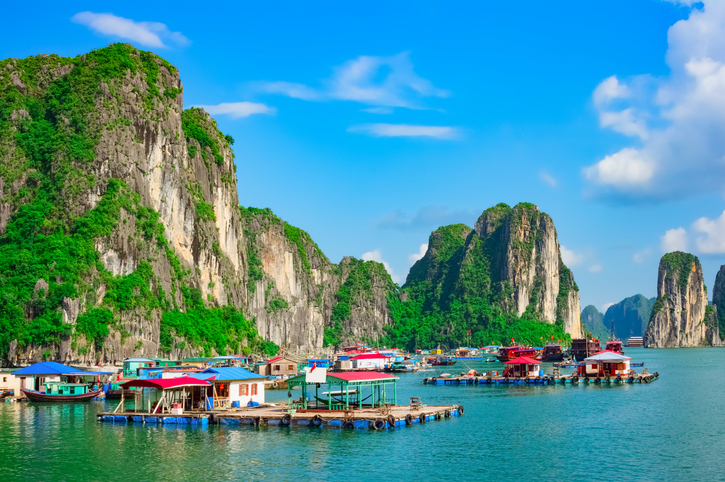


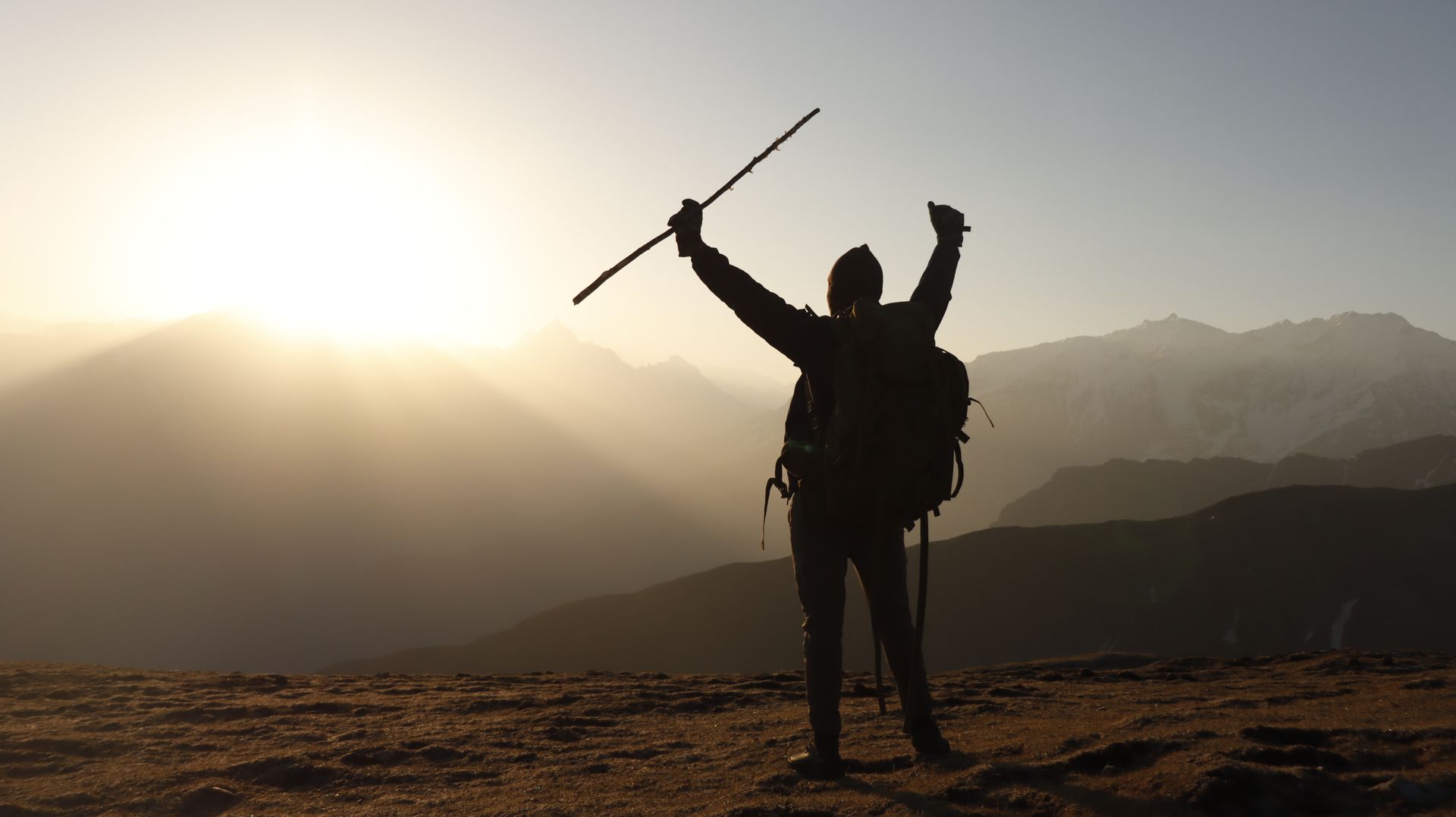
Adventure Travel
Embrace the thrill of the wild with adrenaline-pumping adventures and breathtaking outdoor escapades.

Browse By Category
A treasure trove of travel inspiration and insightful travel guides loved by our passionate globetrotters.


Join our Passionate Globetrotters Community
Sign up now for exclusive travel trends to be delivered straight to your inbox.

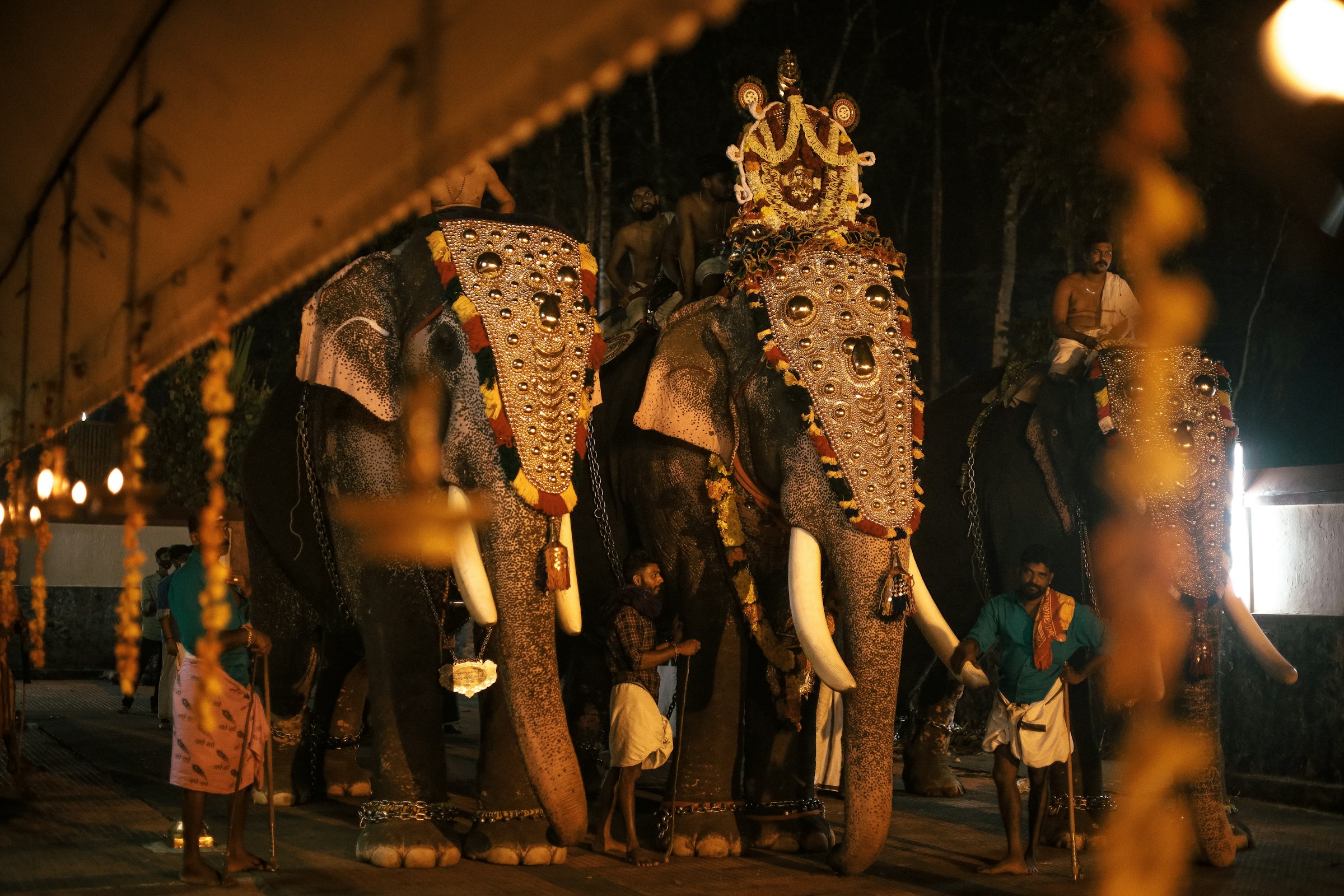
Heritage & Culture
Unveil the untold stories, hidden gems, and profound legacies that breathe life into our world's diverse cultural tapestry.


Travel Guides
From must-see landmarks to off-the-beaten-path treasures, travel guides offer an invaluable companion for crafting your perfect itinerary.
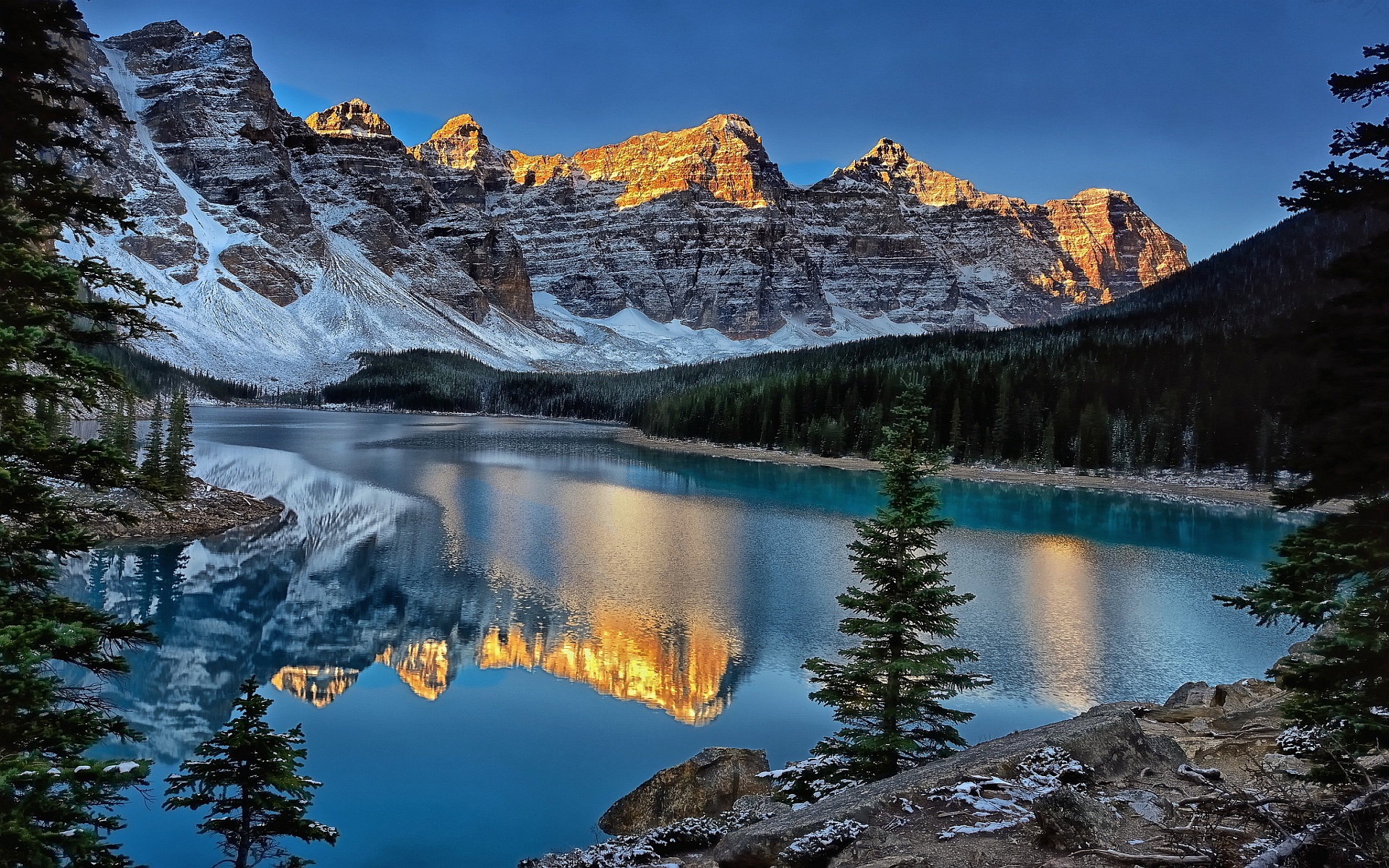


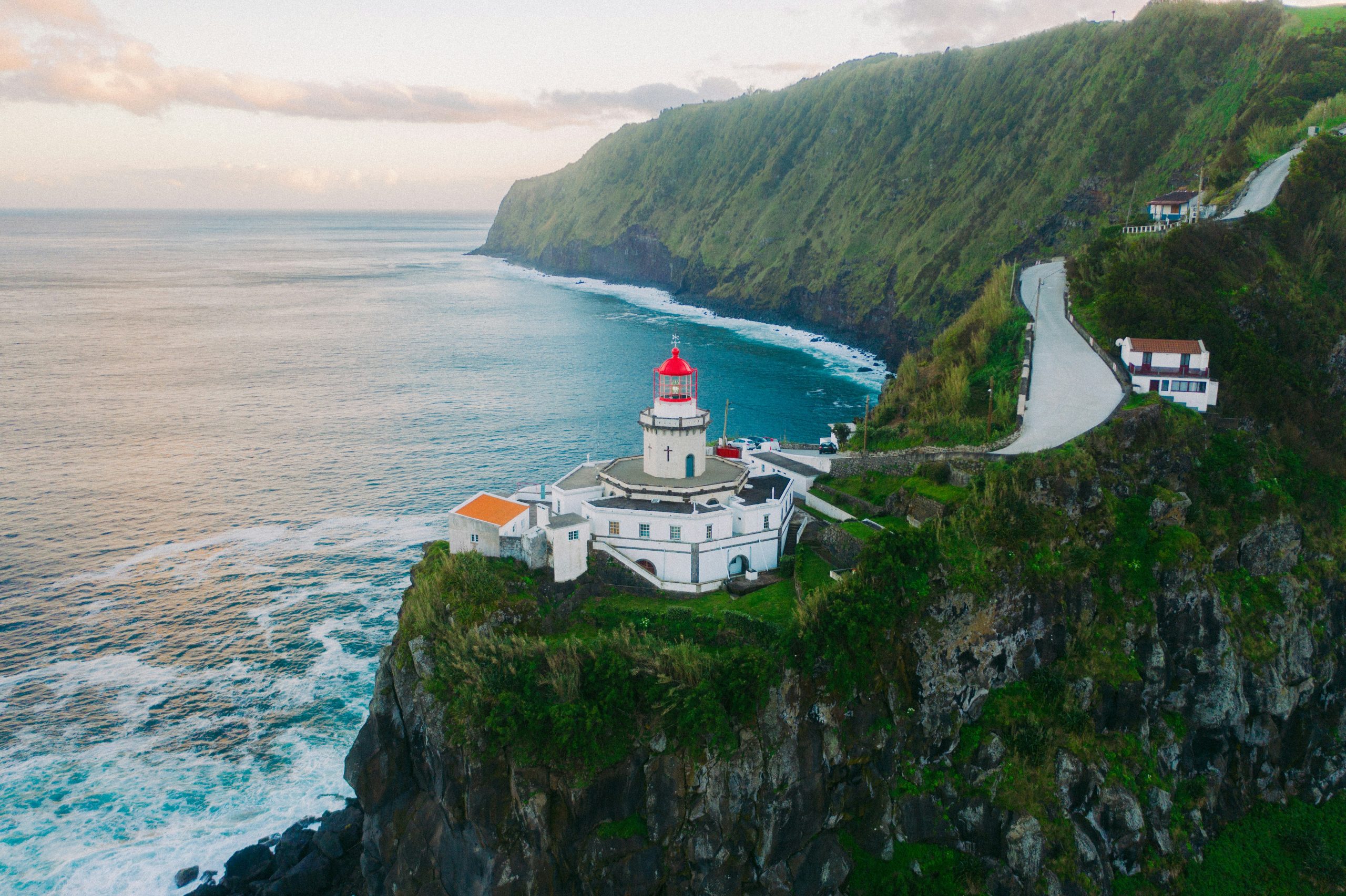

Destinations
Dive into our diverse travel destination categories and unlock the beauty of the globe.


Travel Tips & Advice
From packing hacks to budget-friendly strategies, travel smarter and smoother with our trusted travel tips.


Travel Videos
Experience the thrill of travel through vivid storytelling and stunning visuals in immersive travel videos.