

The land of Coorg (also known as Kodagu district in the Western Ghats of Karnataka) is famous for its beautiful green landscape, the unique culture of the people, and its wonderful Coorg food. Coorg cuisine is as interesting as the Kodava people who make them. Kodava culture and history have both greatly influenced their food habits. This guide takes you through the traditional Kodava cuisine, including everyday meals, festival foods, seasonal specialities, and desserts that define the food culture of the Kodagu region.
Table of Contents
Kodava Food And Culture
The people of Coorg have been agriculturists from time immemorial. Their main occupation was paddy cultivation for a long time before coffee, spices, and fruits were introduced. So,
rice forms a major part of Coorg cuisine. The people of Coorg were also hunter-gatherers. They loved hunting games for sport and food and foraged for wild produce. Long before foraging became a cool thing to do, the Kodavas went foraging for bamboo, wild mushrooms, green leafy vegetables, and fruits. Authentic Coorg food is made up of seasonal produce and meat that is flavored judiciously with spices but still retains its natural flavors.

A Taste Of Coorg Cuisine: Coorg Famous Food
Food is an integral part of the Kodava culture and it is not taken lightly. The daily meal of a Kodava family is simple fare.
Breakfast: The first meal of the day in a Kodava home is incomplete without akki otti (flatbread made with rice). The akki otti is accompanied by koot curry (mixed vegetables in a coconut paste) and palya (vegetable stir fry). Sometimes the akki otti is replaced by several puttus (steamed rice dumplings and cakes). Homemade chutneys and jams made with locally grown produce are also an integral part of breakfast.
Lunch: Lunch is an equally simple meal of steamed rice with vegetable curries and stir-fried vegetables.
Dinner: For dinner, it is either rice or rice rotis that are eaten with the same curries and stir-fries.
- Coorg cuisine is also dependent on the seasons. The colder months of monsoon and winter meant that the people needed to eat food that provided thermal warmth. So, the kitchens of Coorg dished out bamboo, wild mushrooms, mud crabs, and a range of chutneys. During the summer months, the people enjoyed wild mango curries, jackfruits, and wild fruits.
- But come festival or celebration time the simple was replaced with extravagant. The menu was extended to include tongue-tickling spicy meat dishes, subtly flavored rice dishes, vegetables, and sweets. Even today, the food is cooked using traditional methods and is spiced judiciously, making it light but flavorful.
- Earlier, meat and poultry were delicacies that were only served during celebrations and festivals. But preserved game meat and dried fish formed a major part of the diet. Now, with easier availability, meat, fish, and poultry are a part of the regular diet.
Famous Dishes Of Coorg To Try On Your Trip
1. Kadambuttu: Steamed Rice Dumplings

The steamed rice dumpling called kadambuttu is one of the most famous dishes in Coorg cuisine. Kadambuttu is a tiny white ball of buttery deliciousness that melts in your mouth. And if you ever taste this must-try food in Coorg with some shunti pajji (ginger and coconut chutney), you’ll never want anything else.
What Is It Made Of: Broken rice called kadumbuttu thari
Taste Best With: Pandi curry or vegetable curry
2. Pandi Curry: The Emblematic Dish Of Coorg Cuisine
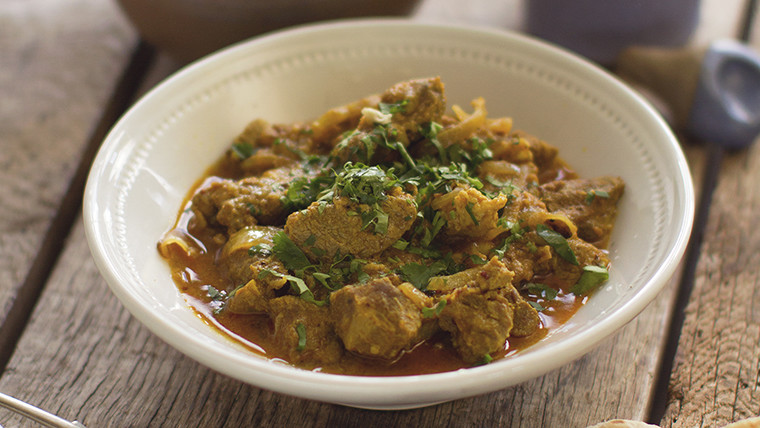
If there is a dish that is emblematic of Coorg cuisine, it’s the Kodava pork curry known locally as pandi curry. This rich, dark, spicy curry is commonly prepared in traditional Kodava homes and is one of the most famous foods in Coorg.
What Is It Made Of: Pork,locally grown pepper and kachampuli (concentrated extract of a fruit called panapuli).
Taste Best With: Kadambuttu and akki otti
3. Paputtu: Flat Steamed Rice And Coconut Cakes
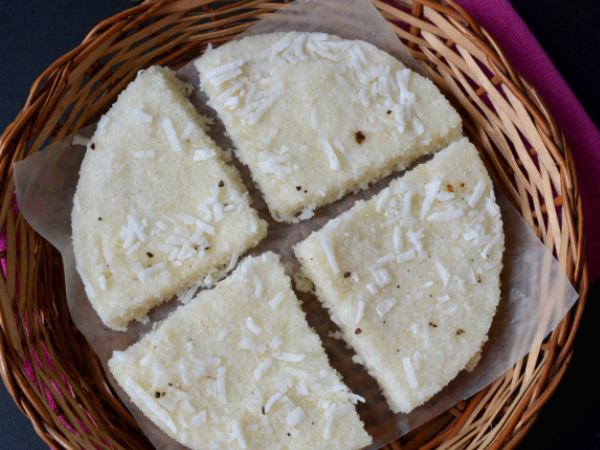
The Paputtu is another rice-based dish that shows the love that the Kodavas have for their staple crop. It is a steamed rice and coconut cake that is coated with a generous helping of coconut flakes.
What Is It Made Of: Broken rice, shredded coconut, and milk.
Taste Best With: Chicken curry, mutton curry, a simple kuru curry (bean curry), Coorg honey or ghee.
4. Noolputtu: Steamed Rice Noodles

If you think noodles are best at a Chinese restaurant, try the Kodava noolputtu (string hoppers) once. Unlike its Malayali cousin, the idiyappam, the noolputtu is not steamed after it’s pressed but steamed before.
What Is It Made Of: Steamed dough of fine-grained broken rice and water.
Taste Best With: Keema curry (minced lamb curry), chicken curry, or with bellath neer (a thin jaggery syrup with coconut paste).
5. Akki Otti: The Breakfast Staple In Coorg

Akki otti, the breakfast staple in a Kodava home is one of the stars of Coorg cuisine. It is a simple unleavened flatbread made by mashing cooked rice with some rice flour. The smooth malleable dough is then cooked on both sides on a hot griddle and then on an open flame till it puffs up. This is one of the best things to eat in Coorg or breakfast.
What Is It Made Of: Leftover cooked rice and rice flour.
Taste Best With: Pandi curry, vegetable curry or kaipuli pajji (roasted bitter lime chutney).
Also Read: Best places to visit in Coorg: where to go and what to see
Seasonal Stars Of Coorg Cuisine
Seasonality plays a central role in Kodava cooking, with monsoon and summer producing distinct traditional dishes unique to Coorg. And if you happen to visit Coorg during the monsoon, you’re in for a treat. The tangy baimbale curry (bamboo shoot curry), the flavourful kummu curry (wild mushroom curry) and the soft therme thoppu palya (fiddlehead fern stir fry) with otti will leave your taste buds tingling. So, here’s a look at what the kitchens of Coorg dishes up during these seasons.
6. Kakkada Nyend Curry: Prized Mud Crabs Of Monsoon
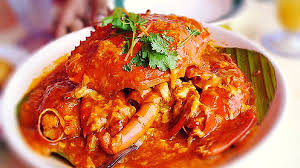
The kakkada nyend is a delicacy for the people of Coorg during the cold and wet months of monsoon. Kakkada nyend are soft-shelled mud crabs found in the paddy fields during kakkada, the monsoon season. While crabs are enjoyed throughout the year, these mud crabs from the paddy fields are particularly prized during the monsoons.
What Is It Made Of: Fresh monsoon mud crabs (nyend), spices.
Taste Best With: Rice or Akki Otti
7. Baimbale Curry: Tender Bamboo Shoot Curry

The monsoons in Coorg bring with it another delicacy that the people wait all year for. Baimbale, or tender bamboo shoots, are Coorg local food and is one of the best foods in Coorg. Making the baimbale curry is an elaborate process involving several days of prep work.
What Is It Made Of: Tender bamboo shoots, spices and ground coconut paste.
Taste Best With: Rice or Akki Otti
8. Kummu Curry: Star Of The Monsoon

With the start of the monsoon season, a different, new micro-cuisine comes to life in Coorg. Kummu, as these wild mushrooms are called locally, dot the plantations and forests of Coorg during the monsoon. There are several varieties of mushrooms that grow here and each of them is cherished and loved. This curry is much loved and cherished in the Kodava community.
What Is It Made Of: Mushroom, spiced coconut paste, onions, and garlic.
Taste Best With: Fresh akki otti
9. Maange Curry: Best Of The Summer Produce
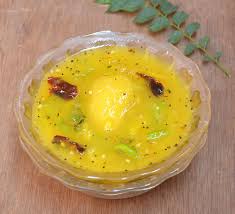
Come summertime, the people of Coorg eagerly wait for kaad maange (wild mangoes). The tiny yellow mangoes are flavour bombs full of sweet and sour pulp and juice. The mango curry is a rich, dark curry that is subtly spiced and bursting with the natural flavour of the mango.
What Is It Made Of: Sweet wild mango, roasted cumin, fiery pepper, and jaggery.
Taste Best With: Hot steamed rice
Desserts Of The Coorg Cuisine
The people of Coorg have a real love for sweet foods. While akki payasa, the rice pudding made with jaggery is the go-to dessert, there are several other traditional sweet dishes made from seasonal fruits. These traditional desserts can be found on a Coorg table when the fruits are in season or during celebrations.
10. Koovaleputtu: Steamed Jackfruit Cake
Koovaleputtu is a steamed cake made with jackfruit pulp or banana pulp. It is always made in large batches so that there are leftovers for another day. The leftovers are unwrapped from the banana leaf and toasted in ghee. While the fresh-off-the-steamer koovaleputtu tastes good, the ghee-toasted leftover tastes the best. It is frequently served during festivals and family gatherings in Kodagu.
What Is It Made Of: Jackfruit pulp or banana pulp, broken rice and coconut shavings.
11. Thambuttu: Love For The Humble Banana
Thambuttu is a sweet, heavy pudding that showcases the love the Kodavas have for bananas. It is considered as one of the favourite desserts in Kodagu. Thambuttu is an integral part of the Kodava festival, Puthari. The festival is incomplete without everyone present eating a bite of the hearty pudding with a spoonful of molten ghee. A mouthful of thambuttu with its unique textures and flavours will leave you spellbound.
What Is It Made Of: Mashed bananas, cardamom-scented toasted rice powder, sesame seeds, and coconut.
Also Read: 18 Delicious Karnataka Foods You Have To Try At Least Once
Concluding Thoughts
Food tells you more about a place than any guidebook. Hence, sampling traditional Kodava food is one of the most immersive cultural experiences for travellers visiting Coorg. So now that you know what to eat in Coorg, plan your trip to the “Scotland of India” to experience the food that makes up the Coorg table. But don’t limit your plate to just pandi curry, kadambuttu and akki otti. Be adventurous and try the other stars of Coorg Cuisine too.
FAQs On Coorg Traditional Food
Kadambuttu is the most famous dish in Coorg. Rice flour and hot water is mixed to form a dough, after which the dough is shaped into small round balls and steamed. This special food is a staple dish in rural Coorg households.
Akki payasam made with coconut and Jaggery and snack items like Khajaya, Chikkle oonde and holige are sweets famous among the Kodavas. They are generally served during festivals, marriages and family gatherings in Kodagu.
Kodava cuisine is shaped by geography, seasonal produce, foraging traditions, and the cultural practices. Its bold, tangy, and earthy flavors make Kodava cuisine unique.
Coorg cuisine is flavorful, aromatic, and often spicy. Instead of heavy chilli heat, aromatic spices like black pepper, kachampuli, and cardamom are used to create the distinctive spicy taste.

Thank you for your sharing. I am worried that I lack creative ideas. It is your article that makes me full of hope. Thank you. But, I have a question, can you help me?
Thanks for sharing. I read many of your blog posts, cool, your blog is very good.
I love it whenever people come together and share views.
Great blog, stick with it!