

Australia, often referred to as the Land Down Under, is globally known for its diverse wildlife and rare treats. From kangaroos to koalas, from saltwater crocodiles to exotic reptiles, the continent is home to some of the most exotic species in the world. Australia is also home to some medically significant spiders, such as the Sydney Funnel-Web and Redback Spider, which are among the most venomous spiders in Australia and globally. While most spider encounters are rare and fatalities are extremely uncommon today, there are a few venomous spider species that are best avoided if encountered in Australia.
Table of Contents
Top 10 Dangerous And Venomous Spiders In Australia
Here’s a carefully curated list of venomous spiders In Australia you should be aware of when travelling or living in Australia. Please note, some of the below listed spiders are venomous but pose a low medical risk to humans. Bites usually occur only when spiders are accidentally disturbed.
1. Sydney Funnel-Web Spider: Australia’s Most Venomous Spider
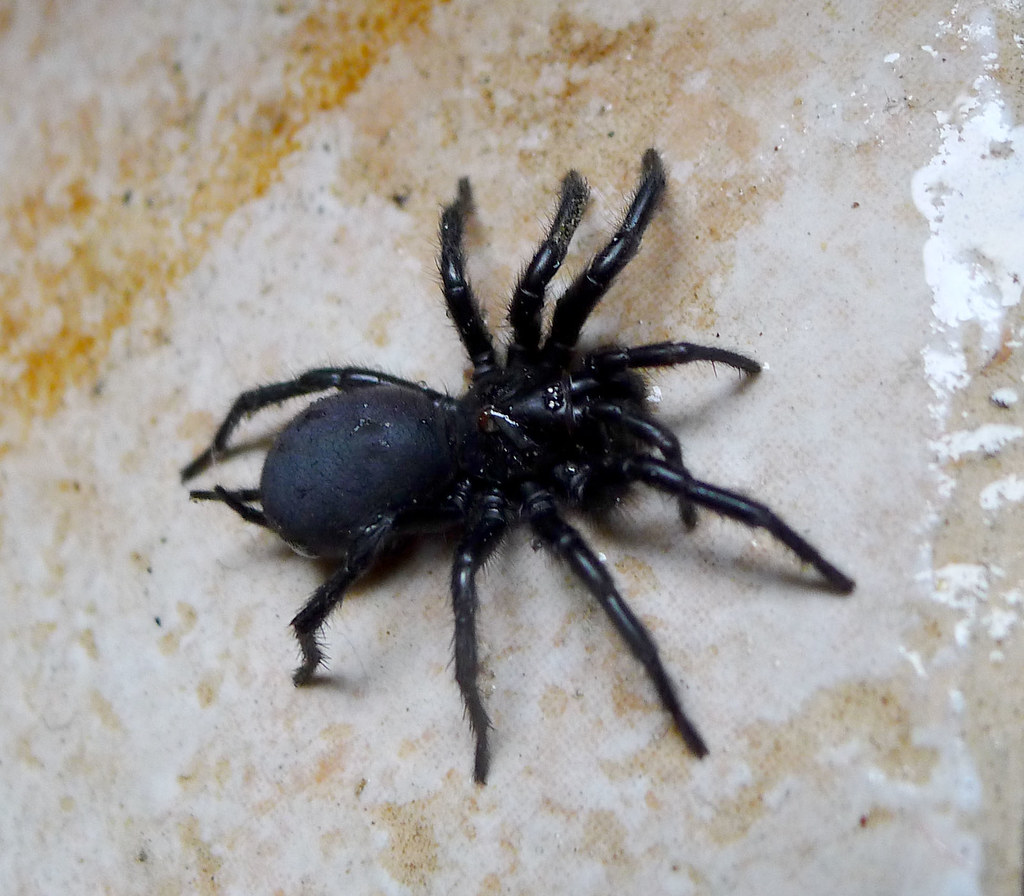
Scientific Name: Atrax Robustus
Widely regarded as one of the world’s most medically dangerous spiders, the Sydney Funnel-Web Spider is found both in back gardens and bushlands. It’s known for its mighty large, powerful fangs capable of penetrating soft tissue and fingernails
Size: A body length ranging from 1 to 5 cm (0.4 to 2 in).
Found In: 100 km (62 mi) radius of Sydney in New South Wales, western and eastern parts of Australia.
Feeds On: insects, frogs and lizards.
Impact On Humans: Funnel-web spider bites contain highly potent neurotoxic venom that can severely affect the human nervous system if left untreated. It begins with tingling around the mouth, twitching of the tongue, profuse salivating, watery eyes, sweating, and muscle spasms. Thanks to the development of antivenom in 1981, no confirmed human deaths have been recorded since.
2. Redback Spider: Australian Black Widow
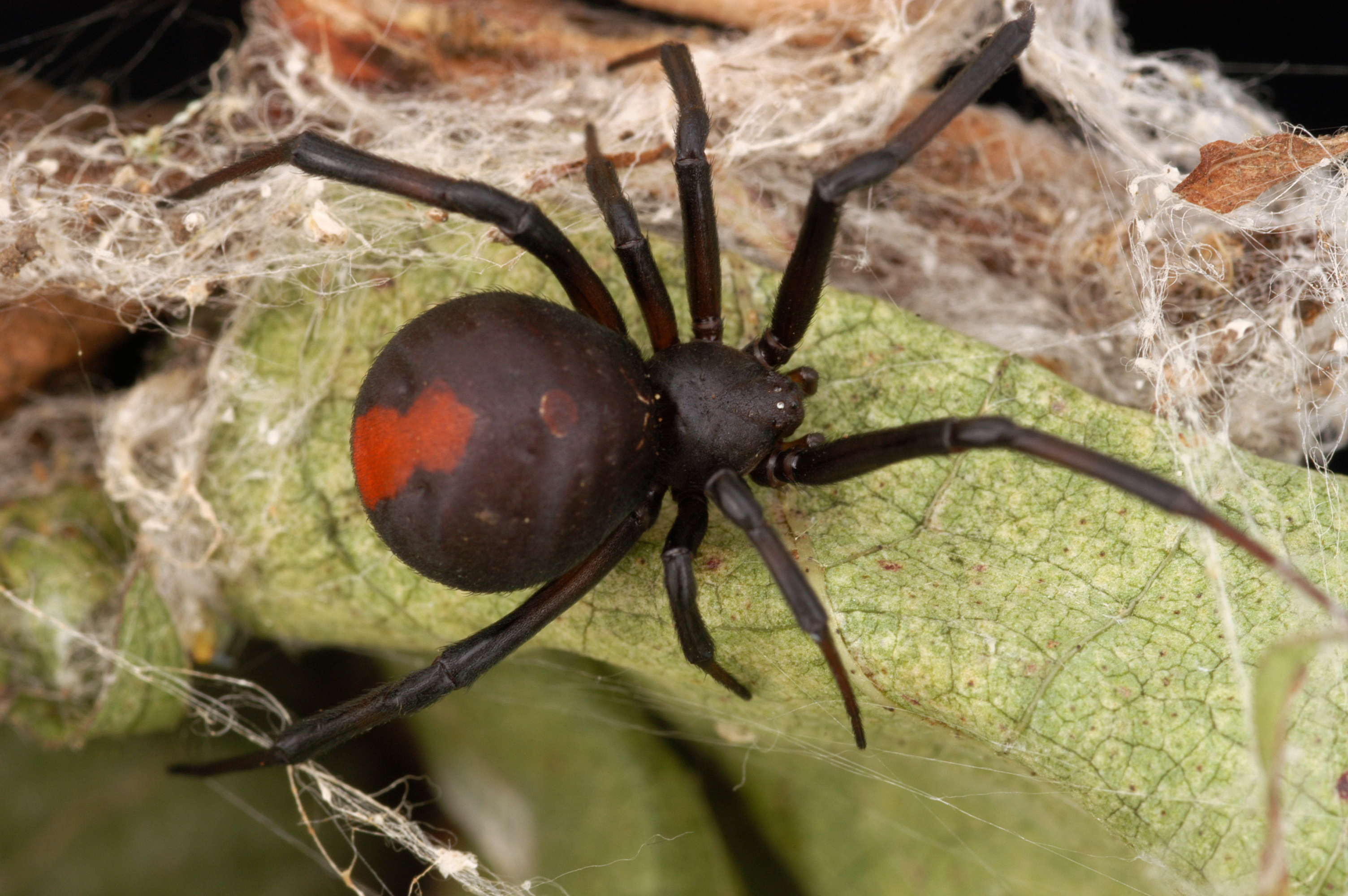
Scientific Name: Latrodectus Hasselti
A Redback spider with a distinctive notable red stripe on its body is known to be highly venomous. It is closely related to the Black Widow spider, hence the name. The Redback spiders received media attention in 2016 following the death of a young Sydneysider. However, it was later confirmed that the death was a result of a secondary bacterial infection rather than the effects of the spider’s venom.
Size: Female – about 1 centimetre (0.39 in); Males are only 3–4 mm (0.12–0.16 in) long.
Found In: Australia, Southeast Asia, and New Zealand.
Feeds On: Insects, male trapdoor spiders, king crickets, and small lizards.
Impact On Humans: A redback spider injects the venom directly into the nerves, resulting in the release and subsequent depletion of neurotransmitters. The symptoms include pain (which can become severe), sweating (always including local sweating at the bite site), muscular weakness, nausea, and vomiting. Fatalities from redback spider bites are extremely rare today due to effective medical treatment and the availability of antivenom.
3. Mouse Spider: Close Relative Of Funnel-Web

Scientific Name: Missulena Species
The mouse spider is considered one of Australia’s more venomous spider species, although serious outcomes in humans are rare. A total of eight species of the mouse spider is spread out across the expanse of the country. The females enjoy the peace and quiet of their burrows, while the male of the species is found wandering around in search of them.
Size: Its size varies from 10 mm – 35 mm.
Found In: Across mainland Australia’s open forest to semi-arid shrubland.
Feeds On: Insects, spiders, and small vertebrates
Impact On Humans: In most cases, bites by this species cause only minor or moderate effects. Their venom is like that of the funnel-web, but there have been no fatalities linked to their bites. Some mouse spiders have a very toxic venom which is potentially as dangerous as that of the Sydney Funnel-web Spider and should be treated as medically significant.
Also Read: 10 Most Venomous Snakes In The World
4. Trapdoor Spider: Long-Living Burrow Dwellers

Scientific Name: Ctenizidae
Trapdoor spiders are named after their clever strategy to trick their prey. They hide at the entrance of their burrows to lure their prey into the false security of their lair. They are often confused with funnel-web spiders. Some trapdoor spider species are known to live for many years, particularly females that remain within their burrows.
Size: Approximately 2.5 cm (one inch) or more in length.
Found In: Australia, Japan, Africa, South America and North America
Feeds On: Insects, beetles, grasshoppers, and occasionally on small animals.
Impact On Humans: Trapdoor spider bites are generally considered low medical risk to humans. Minor symptoms with local pain and swelling may occur if bitten. The males are known to bite more than the females.
5. White-Tailed Spider: Nocturnal Spider Hunters
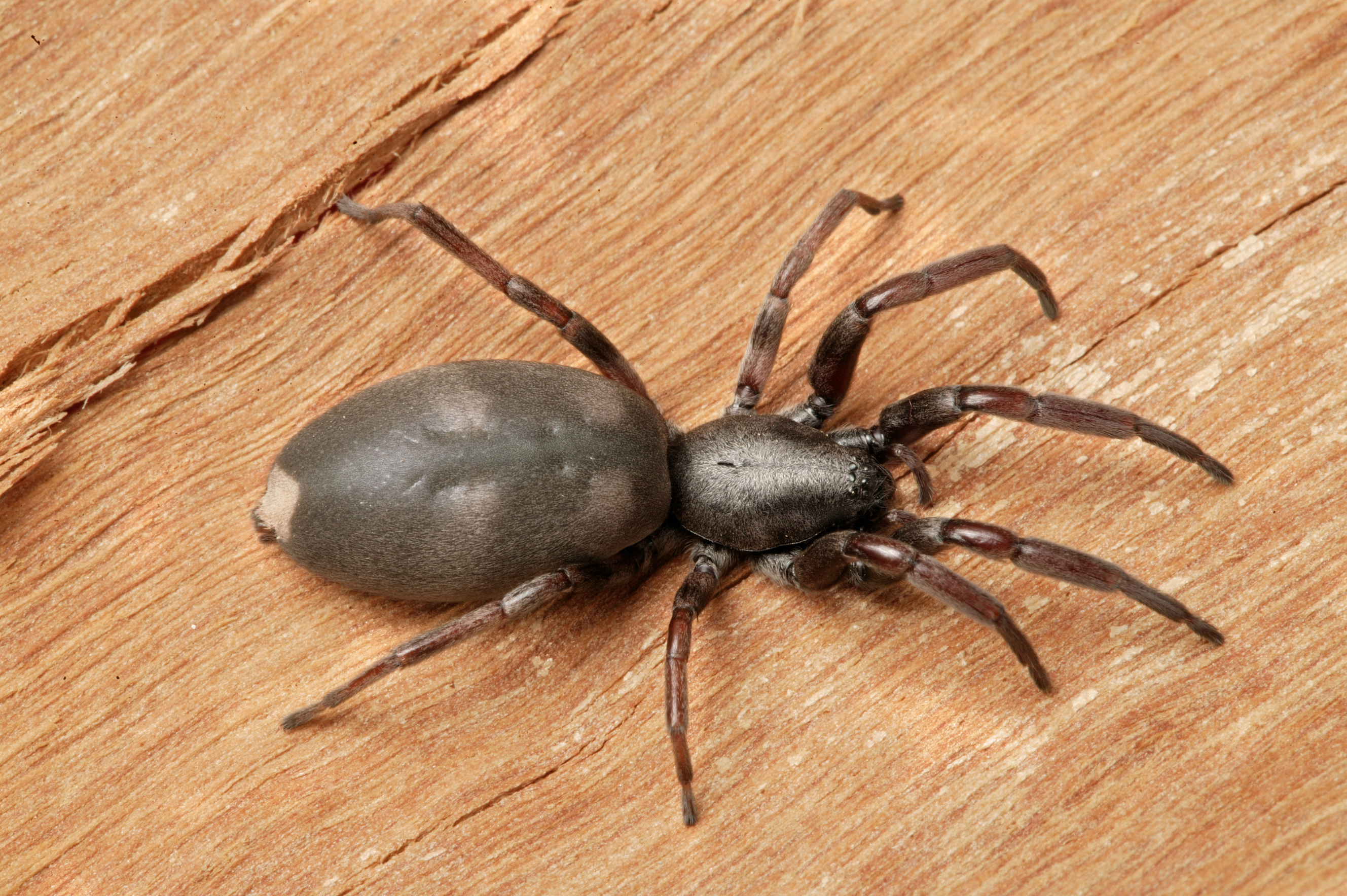
Scientific Name: Lampona cylindrata & Lampona murina
White-Tailed spiders are named after the distinctive white stripe on its body. These nomadic critters wander by night in search of food. They are not known to bite humans that frequently.
Size: 18 mm, with legs spanning of 28 mm
Found In: Southern and Eastern Australia
Feeds On: Other spiders, particularly the black house spider.
Impact On Humans: The venom from the white-tailed spider is listed as non-lethal. In most cases, being bitten by a white-tailed spider cause a mild reaction, including itching and skin discoloration, which usually resolves after a few weeks.
6. Black House Spider: Common Indoor Spider

Scientific Name: Badumna Insignis
As its name suggests, the Black House Spider is found to live mostly indoors. They build tangled webs (that can often become quite messy and extensive) with a funnel-like retreat and wait for their prey to arrive.
Size: Females grow up to 18mm, while the males are smaller (10mm)
Found In: Australia and New Zealand
Feeds On: Flies, beetles, butterflies, bees, and ants.
Impact On Humans: Black house spiders are venomous but proven to be medically low risky. Death from the venom of Black house spiders is extremely rare. The bite may be excruciatingly painful and can cause local swelling. Symptoms such as nausea, vomiting, sweating, and giddiness are occasionally recorded.
7. Australian Tarantulas: Whistling Or Barking Spiders

Scientific Name: Selenocosmia
The Australian tarantulas are the largest spiders on the Australian continent. They are also the longest-living of the Australian spiders; some females reach the age of 30 (the males, however, last only 8 years).
Size: Body length ~6 cm; leg span up to 22 cm
Found In: Australian continent and North Queensland
Feeds On: large insects, small reptiles, frogs, and occasionally small birds
Impact On Humans: Their bites aren’t fatal to humans; however severe reactions have been documented in veterinary cases. Despite being non-fatal, their bites can cause vomiting and fever.
8. Garden Wolf Spider: Backyard Buddies
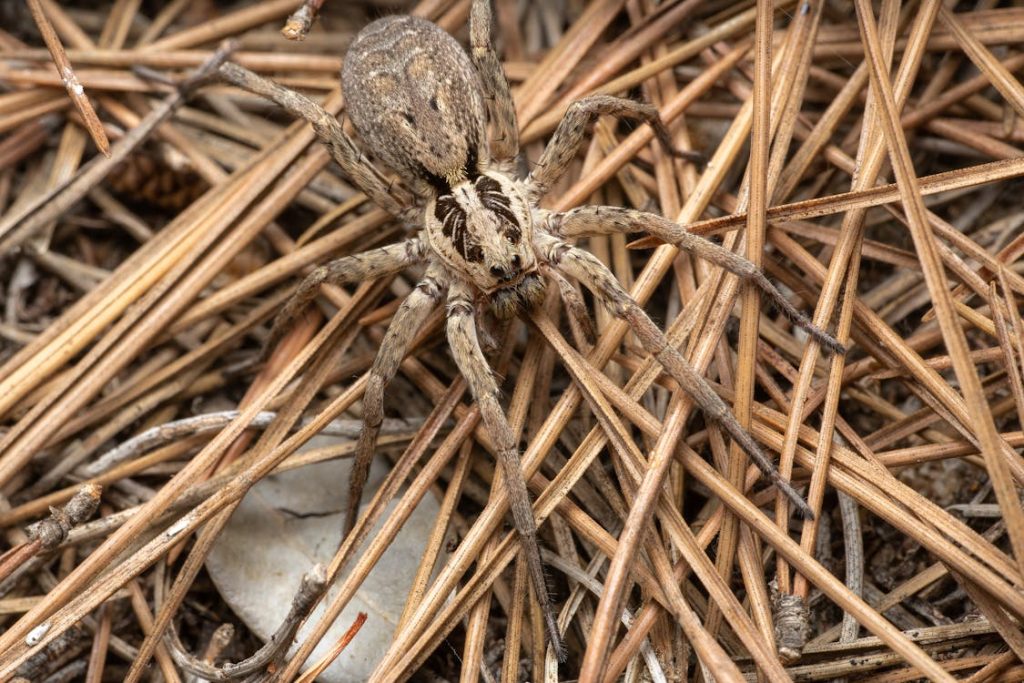
Scientific Name: Lycosidae Family
The garden wolf spider is a brown hairy spider most commonly found in gardens. They are known for their excellent eyesight, carrying egg sacs and young ones on their back.
Size: Up to 3 cm
Found In: Australia
Feeds On: Insects
Impact On Humans: Bites are uncommon and usually cause mild pain or swelling only.
9. Common Garden Orb Weaver Spider: Third Largest Family Of Spiders

Scientific Name: Argiope Aurantia
As the name suggests, common garden orb weave spiders are a very common species of spider with many variants in size, shape, and colour. Its tremendous colour-range from off-white through tan, brown to almost black is quite attractive.
Size: 20 mm to 30 mm
Found In: Eastern and Southern coastal areas of Australia
Feeds On: Flying insects
Impact On Humans: The venom of Orb-Weaving Spiders is of low risk (not toxic) to humans. The venom usually causes negligible or mild local pain, numbness, and swelling. Occasionally nausea and dizziness can occur after being bitten.
10. Huntsman Spiders: Giant Crab Spider

Scientific Name: Sparassidae
Huntsman spiders are large, fast-moving spiders often found inside homes. These large, long-legged spiders are mostly grey to brown, sometimes with banded legs. While they may look scary, in reality, they are reluctant to bite and are more likely to run away when approached.
Size: Body ~2.5 cm; leg span up to 30 cm in large species.
Found In: Australia
Feeds On: Insects and other invertebrates
Impact On Humans: The venom of Huntsman spiders isn’t dangerous for humans but can cause prolonged pain, inflammation, and mild systemic symptoms such as headache or nausea in some individuals.
Also Read: 10 unique wildlife experiences to try in Australia
Final Words
These venomous spiders in Australia are really something. They usually live in sheltered places or garden sheds but that doesn’t mean they can’t sneak up on you. Most bites generally occur when spiders are accidentally disturbed. Hence the best way to handle these deadly spider species is by keeping far away from them. A little bit of awareness, caution, and timely medical attention are all that’s needed for one to stay safe.
FAQs
If you encounter any of these dangerous spiders in Australia, avoid direct contact. Most bites occur when spiders are accidentally disturbed.
After spider bite first aid is done, seek medical attention immediately if bitten, especially by funnel-web or redback spiders.
Sydney’s Funnel-Web spider is widely regarded as Australia’s most medically dangerous spider due to the potency of its venom.
Fatalities from the bite of venomous spiders in Australia are extremely rare, particularly since the introduction of effective antivenoms and modern medical care.
The Australian Tarantula (Selenocosmia crassipes) is the largest spider.

This is a very good tip especially to those fres to the blogosphere.
Short but very precise information… Thank you for sharing this one.
A must read post!
Hello, I enjoy reading all of your article. I wanted to write a little comment to support you.