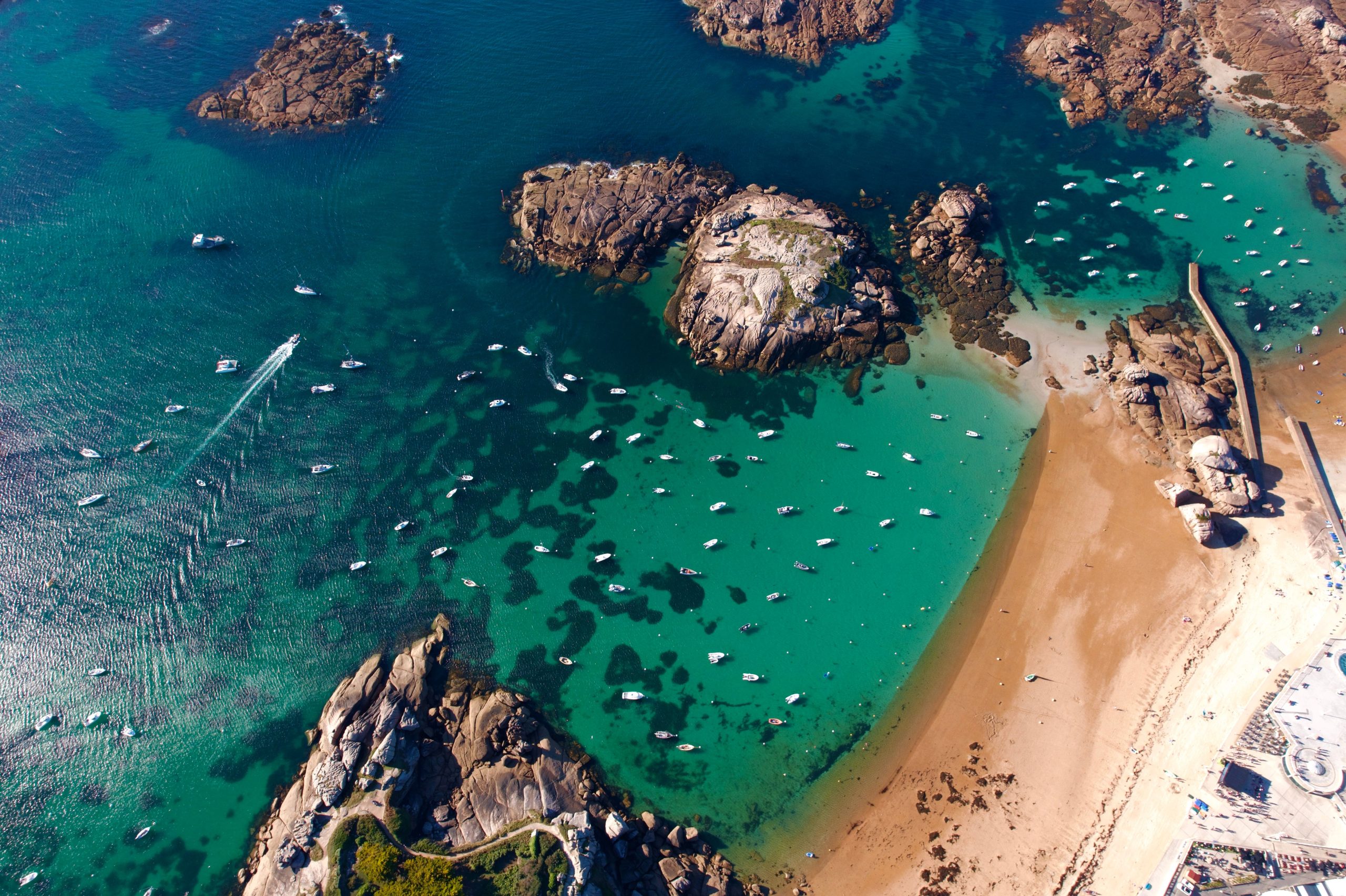
Guernsey is the second-largest island in the Channel Islands and is known for its dramatic coastal cliffs, historic castles, and sandy beaches. Since it is nestled between England and France, one can see a strong British, French and German influence. There are no high-rise buildings or fast-food restaurants, but the minute one steps in here, there is a feeling of going back in time. Be it for a short weekend getaway or for an extended stay, this scenic island is a fantastic choice for all. Here’s a complete travel guide to Guernsey that will not just help you plan a vacation but will also help you explore the best of Guernsey.
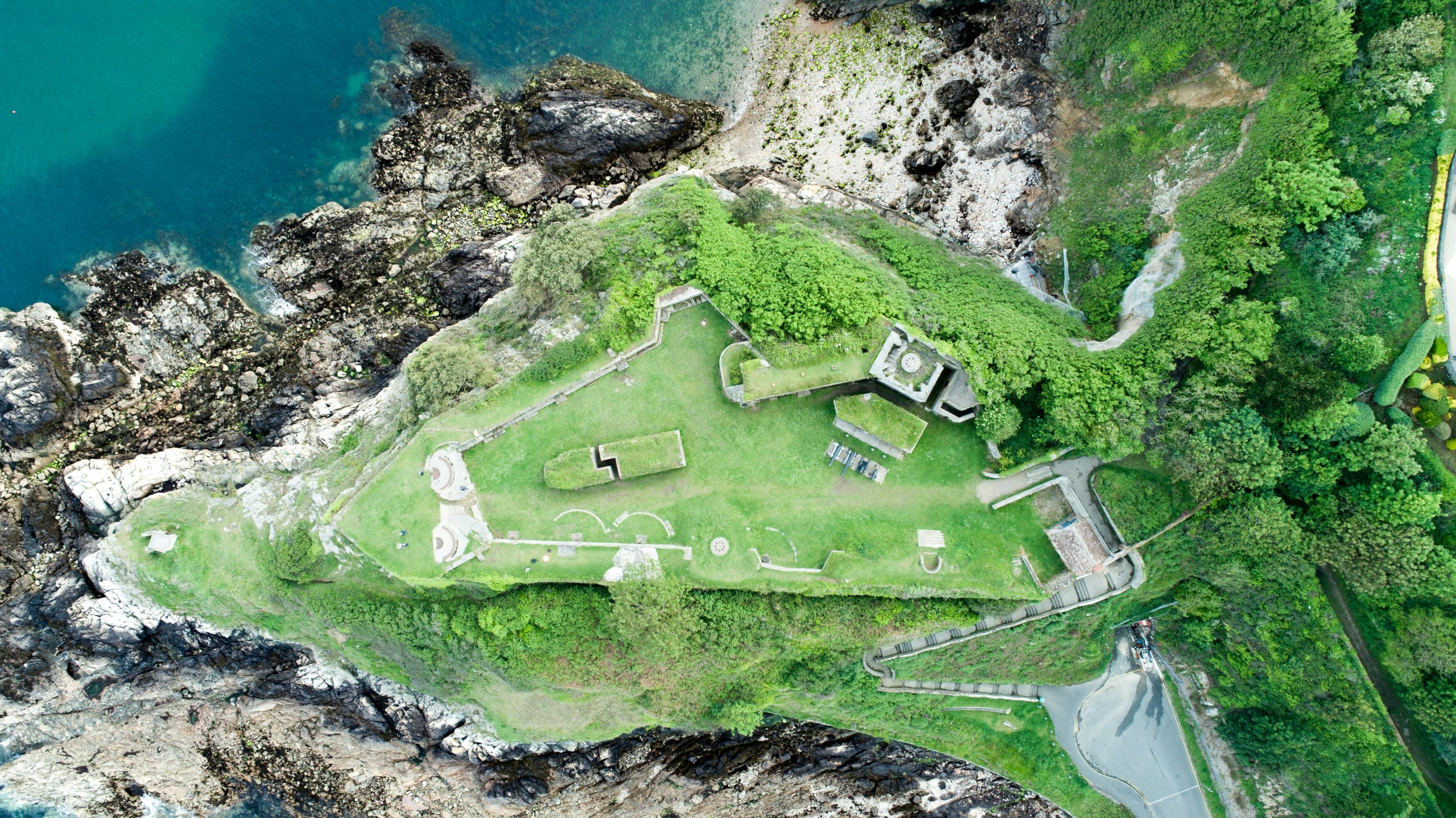
Table of Contents
Why Visit Guernsey
– Guernsey is packed with natural beauty and a variety of attractions.
– Great weather: mild climate with summer temperatures averaging 18–22°C.
– Diverse and stunning Guernsey beaches that covers over 25 miles of coastline.
– Exceptional water sports activities.
– Great food and warm hospitality.
– Perfect place to escape the chaos of city life and enjoy a relaxed time.
Where Is Guernsey Island
Guernsey is located in the English Channel by the bay of St Malo, just off the French Coast. Though it has close social and economic ties with the United Kingdom, it is not part of the UK or the European Union. It is geographically a part of the British Isles with its own self-governing laws and customs.
Getting To Guernsey

The only way to reach Guernsey in the English Channel is by air or sea. There are regular flights from London Gatwick, Edinburgh, Dublin, Manchester, Bristol, Southampton, and Birmingham. The duration of these flights is as short as 40 to 50 minutes.
There are many options to approach by sea. Many tour operators provide ferry services from Portsmouth, Poole, and Jersey. This is one of the best options as the ferry ride offers stunning views of the Channel. On reaching the island, public transport, taxis, bicycles, and rental cars are great options to get around.
Best Time To Visit
Guernsey is a year-round destination with mild winters and warm summers. Late spring to early autumn (May to September) is ideally the great time to visit because of the pleasant temperatures and blooming season. For those who are looking to explore the cultural side of the island, consider a visit during October as this is the time when festivals like the Autumn Walking Festival and Tenner fest food festival kicks off. However, please note that Guernsey weather during the months of July and August are the hottest, with temperature going up to as high as 64°F – 67°F.
Top Guernsey Attractions
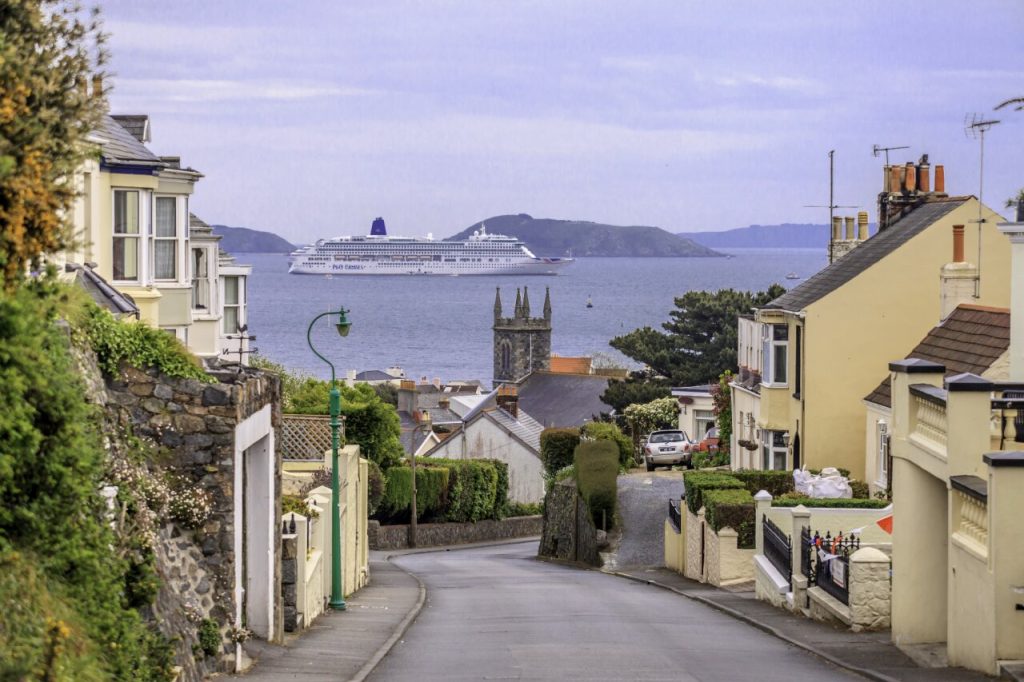
St. Peter Port – The charming capital is one of the prettiest places with its cobbled streets, boutiques, waterside cafés and a scenic harbor.
Castle Cornet – A historic 13th-century fortress that has guarded the harbor for centuries. Today it is converted into a museum that houses military artifacts.
Hauteville House – A fascinating home of writer Victor Hugo which is now converted into a museum. The house has an eccentric interior and unique designs that offers a glimpse into the French writer’s life and island’s heritage.
Hidden Bays – Known for its hidden bays like Cobo Bay, Vazon Bay, Petit Bot Bay and Fermain Bay.
The Little Chapel – This is one of Guernsey’s most iconic landmarks. The tiny ornate chapel is decorated with seashells and pebbles.
Sausmarez Manor – A historic manor that takes one through the past with its sculpture trails, gardens, art, antiques and seasonal events.
Best Beaches In Guernsey
Cobo Bay – Cobo Bay is one of the most well-liked beaches in Guernsey and is situated on the west coast of the island. It is renowned for its gorgeous sunsets, crystal-clear waters, and silky white sand.
Vazon Bay – The largest beach on the island, Vazon Bay is a popular place for surfing and bodyboarding.
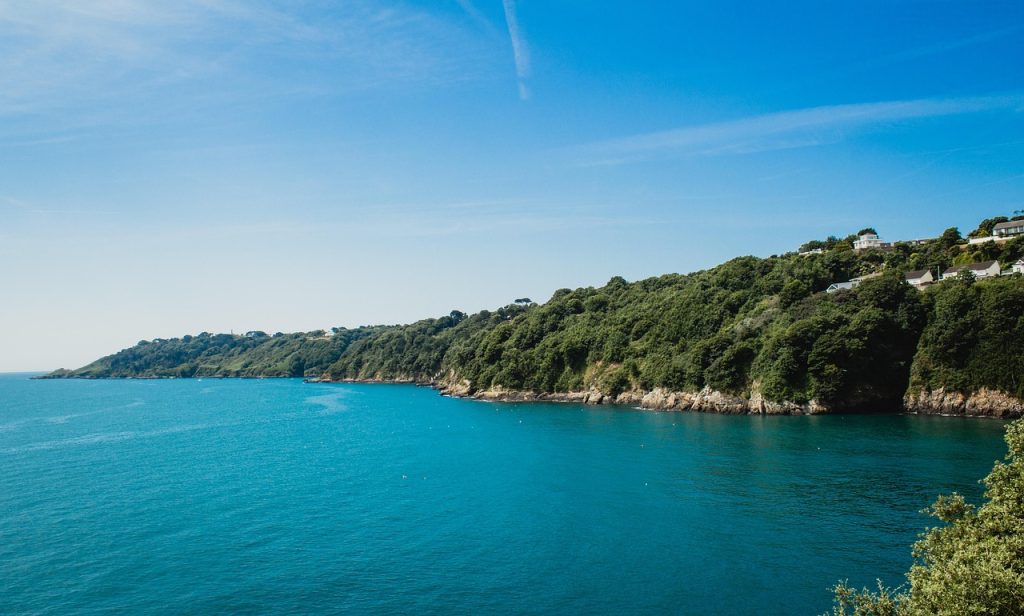
Petit Bot Bay – This small, sheltered bay on the west coast is one of Guernsey’s most scenic coastal spots. Surrounded by cliffs and accessed via a steep path, it is perfect for nature enthusiasts and adventurers.
Fermain Bay – Situated on the east coast, Fermain Bay is a remote pebble beach offering breathtaking coastal views.
Pembroke Bay – Located on the north coast, Pembroke Bay is an excellent place for outdoor activities such as windsurfing, kayaking, and sailing.
Outdoor Activities In Guernsey
Water Based Activities: Kayaking, Surfing, Paddle boarding, Windsurfing, Scuba Diving, Snorkeling and Boat Trips.
Land Based Activities: Hiking, Walking, Climbing, Abseiling, Cycling, Archery and Clay Pigeon Shooting.
Other Outdoor Experiences: Island Hopping, Beach Visits, Wildlife Watching, Shopping, exploring food and attending festivals/events.
Festivals And Events
Music Festivals: Guernsey Together Festival, Breakwaterbeats, Cobo Bay Balcony Gigs
Cultural & Arts Festivals: Guernsey Literary Festival, Fête des Bêtes, Guernsey Street Festival
Historic Festivals: Liberation Day, Guernsey Air Display
Food Festivals: Seafood Festival, Tennerfest, Big Eat Guernsey, Street Food Festival, Guernsey Spring Food Fest.
Where To Stay In Guernsey
Listed below are accommodation options to suit the budget of all kinds of travelers.
Luxury: Bella Luce Hotel, Longueville Manor, Cobo Bay Hotel, Duke of Richmond Hotel and the Old Government House Hotel & Spa.
Mid-range: La Barbarie Hotel, La Fregate Hotel, Fermain Valley Hotel, Grange Lodge Hotel, Duke of Richmond Hotel, St. Pierre Park Hotel & Golf Resort.
Budget: St George’s Guesthouse, Duke of Normandie Hotel, Best Western Hotel de Havelet, and Le Pommier.
Unique Stays: Campsites, farmhouses, seaside cottages and B&Bs.
8 Things You Didn’t Know About Guernsey
- Guernsey has its own currency called the (GGP), however British pounds (GBP) are also accepted here.
- The coastline keeps changing every six hours as it has one of the world’s largest tidal ranges.
- Driving is on the left with speed limits as low as 35 mph to keep everyone safe and relaxed.
- The local dialect is Guernésiais, however English is widely spoken everywhere.
- Most of the houses in the west of Guernsey have an unusual strange piece of granite sticking out. It is considered as a resting place for the witches.
- Makes some of the most rich and delicious dairy products in the world.
- A mysterious circle in the ground at the island’s western extremity called ‘the Fairy RIng’ is believed to bring good luck.
- The place is very safe and suitable for both solo travelers and families.
Also Read: A Quick Guide To The Channel Islands
Conclusion
Guernsey is a destination that combines history, culture, and natural beauty in a way very few places can. Whether you’re exploring medieval castles, enjoying island-hopping adventures, relaxing on sandy beaches, or savoring fresh seafood, this place promises an unforgettable experience. This is a kind of place where you can slow down, immerse yourself in island life, and create memories that last long after your trip ends.
FAQs
Yes, Guernsey is absolutely worth visiting for its stunning coastline, unique sights and rich history.
Taking a flight into Guernsey Airport (GCI) or a ferry to nearby ports are the only two options to get into Guernsey from the UK or Europe.
If you are focusing only on the main highlights, then 3 days is good time to explore. However, if you wish to explore Guernsey to its fullest, 5 to 7 days is a must.
Travel expenses are not very high as the accommodation and food cost is lower in comparison to some major UK cities. In addition to this there is no VAT too.
The sweet fruit bread Gâche, Guernsey Bean Jar and the rare shellfish Ormer Casserole are the famous foods to try while here.