

Every year on 18th April, countries around the world celebrate World Heritage Day (International Day for Monuments and Sites). This day is to celebrate human history, heritage, archaeology, and ancient architecture through magnificent monuments. Many nations even offer free entry at popular monuments and sites in recognition of this day. If you are a traveler who loves history or ancient civilization, do take a look at this travel-friendly list of 25 oldest buildings in the World that you can actually visit not just on this day but all year round. From locations to origins, from what makes them unique to must visits, here’s a complete guide to the ancient sites that you can visit.
Table of Contents
25 Oldest Buildings: Where They Are Located And Why They Matter
1Ġgantija Temples, Malta

Location: Xagħra, Gozo Island
Construction Date: c. 3700 BC
Best Time To Visit: spring (April–June) and autumn (September–November)
These two limestone temple complexes are more than 5500 years old and among the oldest freestanding structures in the world. The site predates Stonehenge and the Pyramids offer a rare look at Malta’s prehistoric Megalithic culture.
2Knap Of Howar, Scotland, UK
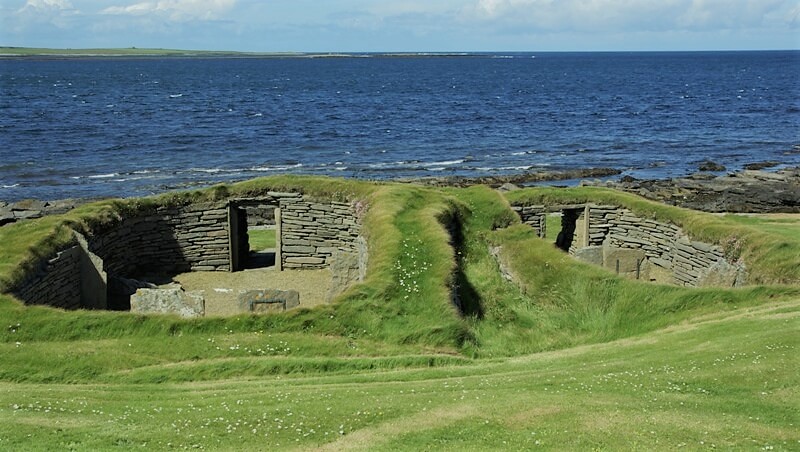
Location: Papa Westray Island, Orkney
Construction Date: c. 3700 BC
Best Time To Visit: summer (June-August)
This Neolithic farm on the island of Papa Westray is the oldest surviving building in the UK. It has two adjacent rounded rectangular thick-walled stone buildings with built-in stone furniture.
3Tarxien Temples, Malta
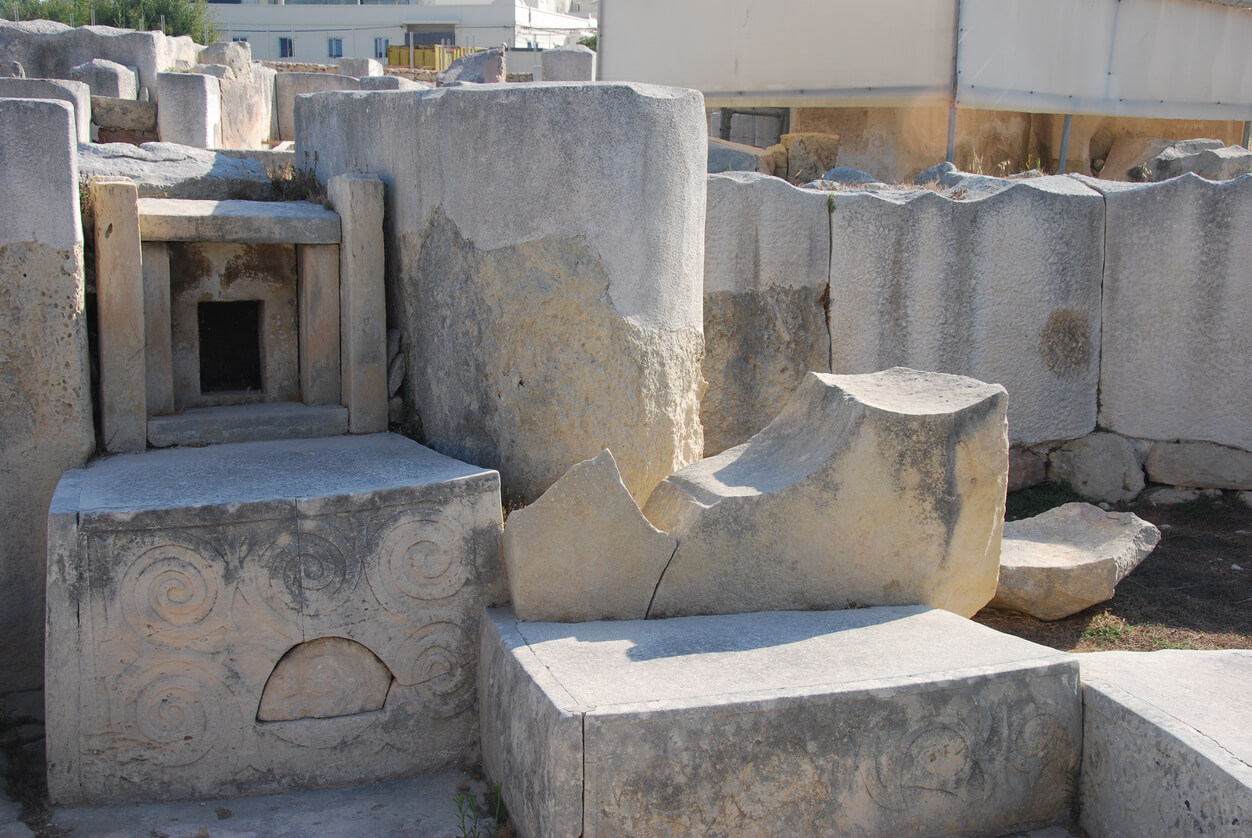
Location: Tarxien
Construction Date: c. 3250 BC
Best Time To Visit: spring (April–June) or autumn (September–November)
This is a multi-chamber megalithic temple site used for ritual sacrifices and for cremation purpose. There is evidence of animal sacrifice at the site which was discovered by archaeologists.
4Newgrange, Ireland

Location: Brú na Bóinne, Eastern Ireland
Construction Date: c. 3200 BC
Best Time To Visit: spring (April-May) and fall (September-October)
Consisting of a large circular mound filled with decorated passageways and chambers, this Neolithic structure is thought to have had religious significance. The massive circular passage tombs are aligned with the winter solstice sunrise.
5Skara Brae, Scotland, UK
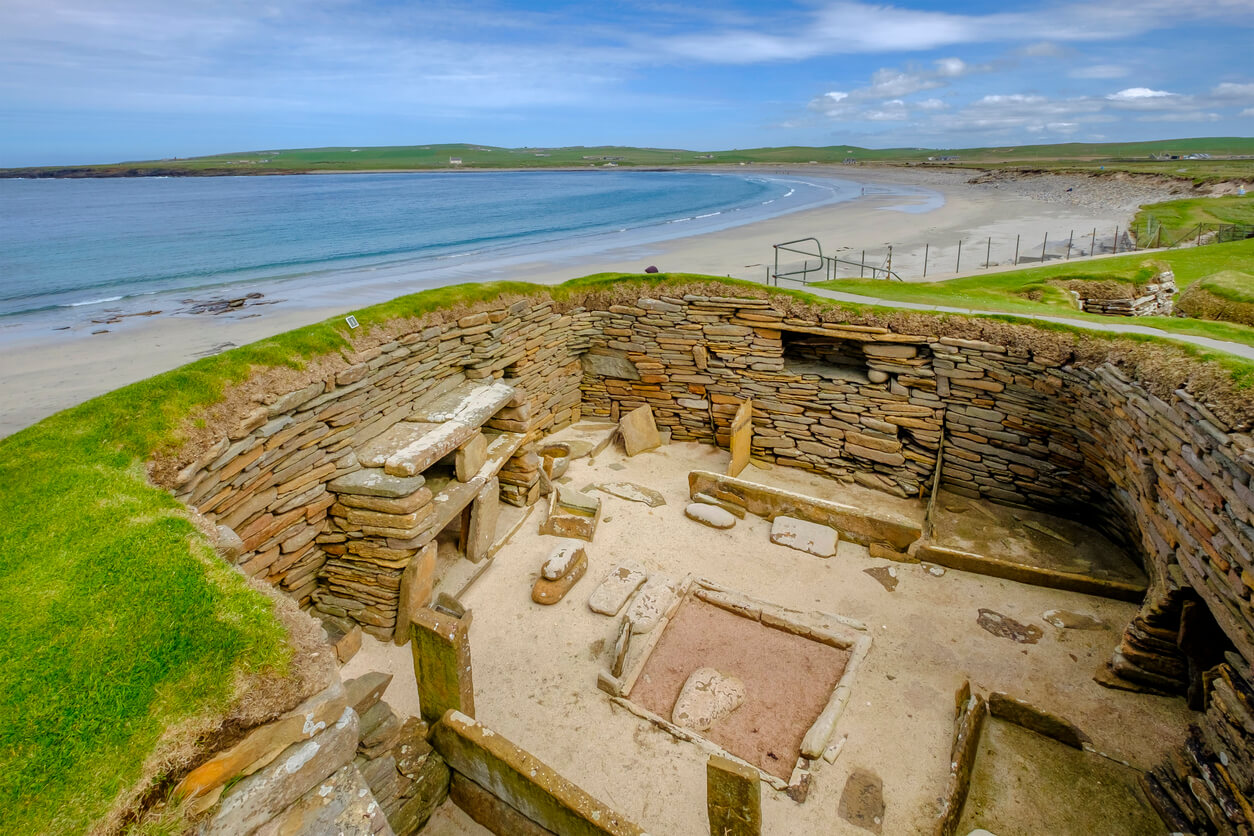
Location: Bay of Skaill, Orkney Islands
Construction Date: c. 3180 BC
Best Time To Visit: spring (April/May) or fall (September/October)
One of the best-preserved Neolithic villages in Europe, Skara Brae is one of many prehistoric structures on the Orkney Islands. This stone-built village is often called the “Scottish Pompeii” as it is well preserved under layers of sand.
6Stonehenge, England, UK

Location: Salisbury Plain, Wiltshire
Construction Date: c. 3000 BC
Best Time To Visit: shoulder seasons (spring and autumn)
Perhaps the most famous prehistoric structure in all of Europe, no one really knows what the ring of standing stones at Stonehenge was used for. The iconic stone circle could have been a ceremonial, astronomical, or religious site.
7Pyramid Of Djoser, Egypt

Location: Saqqara Necropolis, South of Cairo
Construction Date: c. 2660 BC
Best Time To Visit: cooler months of October to April
Egypt’s oldest pyramid was built by the Pharaoh Djoser (Zoser). This step pyramid predates those at Giza by more than a century, making it the beginning of massive stone architecture in Egypt.
8Mohenjo Daro, Pakistan
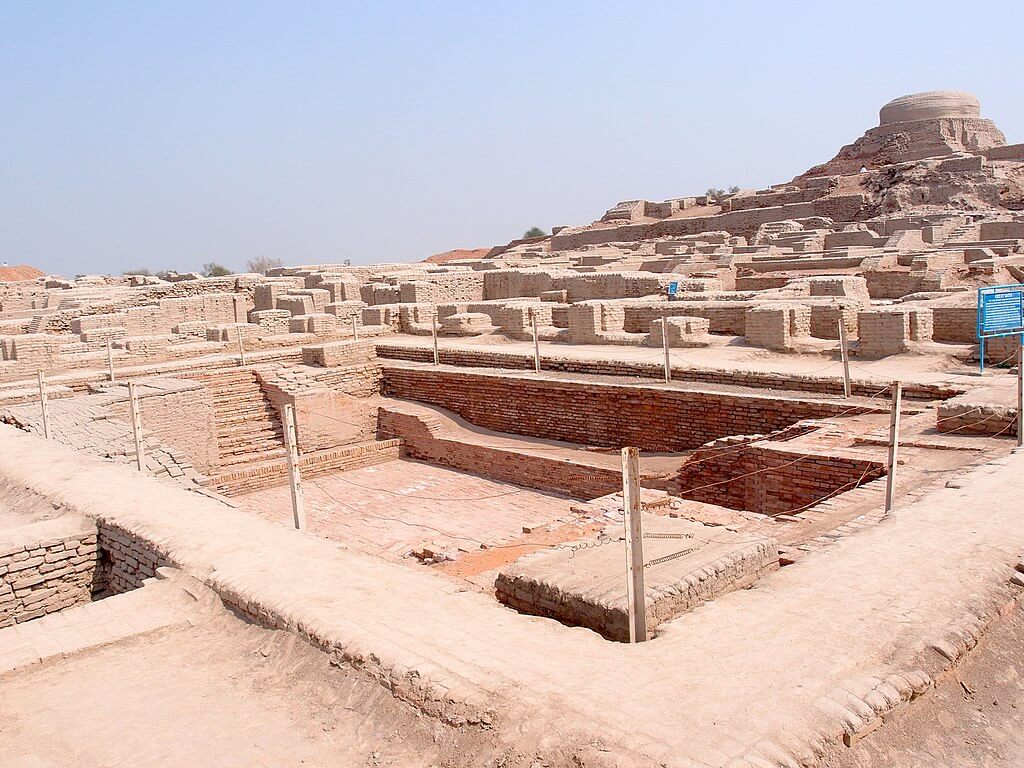
Location: Indus River Valley, Sindh
Construction Date: c. 2600 BC
Best Time To Visit: November to February
One of the world’s earliest urban settlements, this city of the Indus Valley Civilization has sophisticated roads and drainage systems with two storied brick houses and public baths.
9Pyramids Of Giza, Egypt

Location: Giza, Greater Cairo
Construction Date: c.2560–2500 BC
Best Time To Visit: winter months from November to February
The three Pyramids of Giza are the last surviving wonder of the ancient world. The Great Pyramid, Sphinx, and its monumental royal tomb complexes are truly astonishing in their magnificent scale and grandeur.
10Ziggurat Of Ur, Iraq
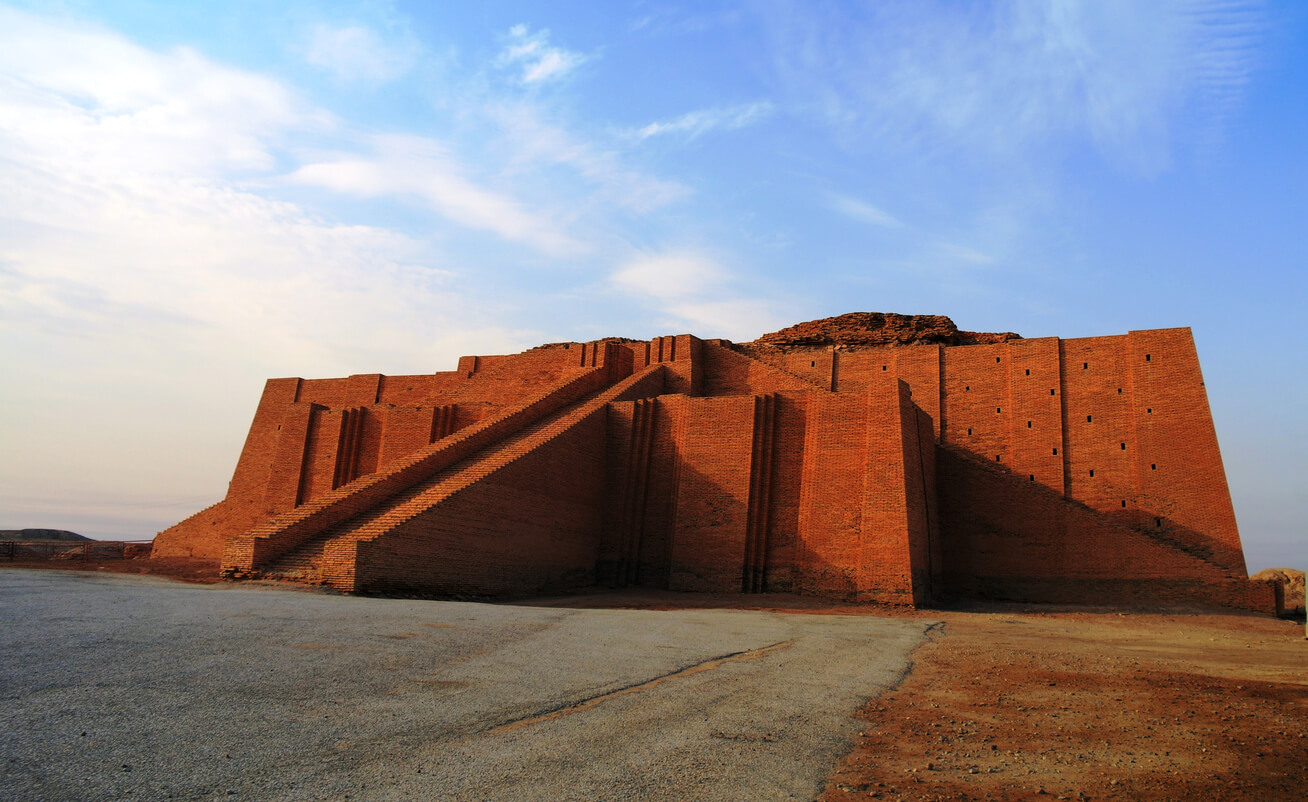
Location: Near Nasiriyah, Southern Iraq
Construction Date: c. 2100 BC
Best Time To Visit: October to March
The massive stepped pyramidal stepped temple tower was dedicated to the moon god Nanna. Near the mouth of the Tigris and the Euphrates, in what was the city of Ur. This Neo-Sumerian Ziggurat was partially reconstructed in the 1980s under Saddam Hussein.
11Karnak & Luxor Temples – Egypt
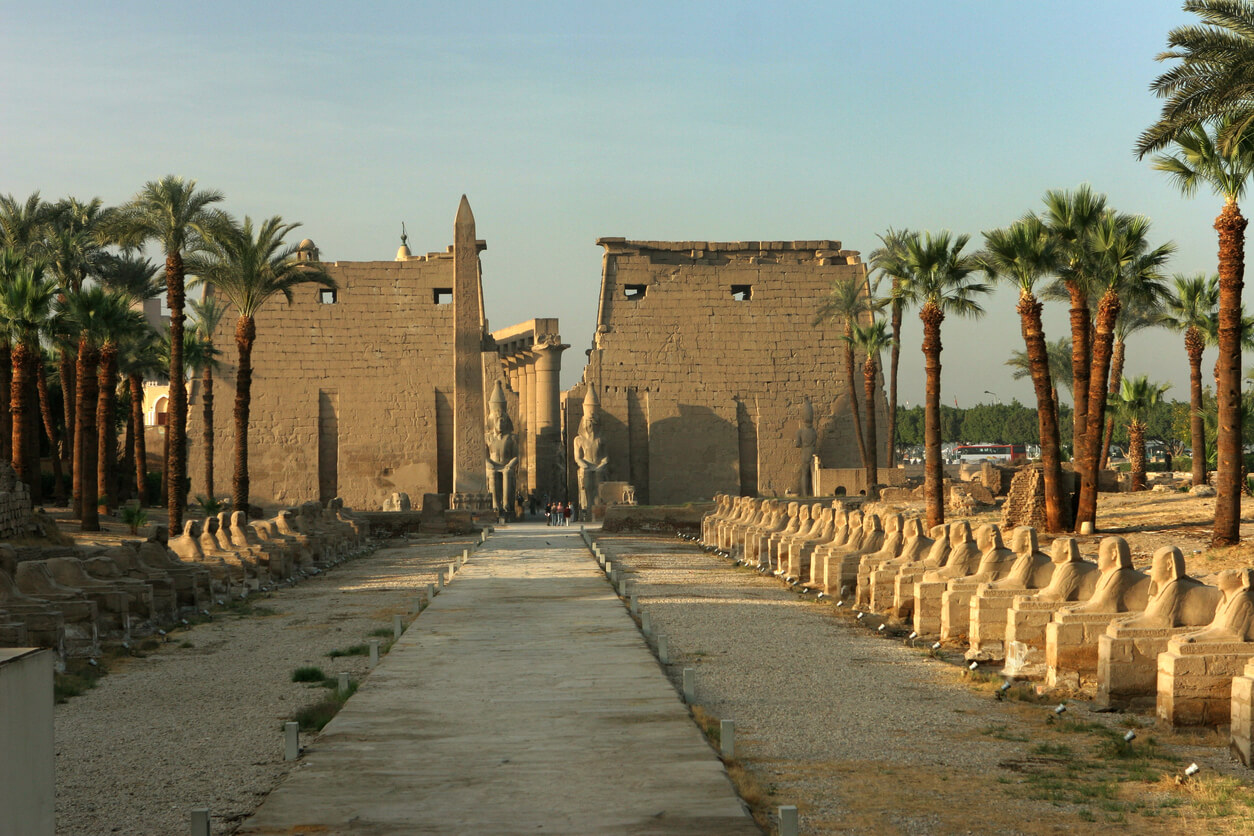
Location: East Bank of the Nile, Luxor
Construction Date: c. 2060 BC – 1085 BC
Best Time To Visit: October to April
Part of the ancient Egyptian city of Thebes, also called Waset, the temples of Karnak and Luxor as well as the nearby necropolis, the Valley of Kings, are awe-inspiring.
12Minoan Palace Of Knossos, Greece

Location: Heraklion, Northern Crete
Construction Date: c. 2000 – 1300 BC
Best Time To Visit: spring or fall (April, May, September, October)
This sprawling palace complex and nearby city were the ceremonial and political centre of the Minoan civilization. The place with a population of 100,000 people was linked to the myth of King Minos and the Minotaur.
13Abu Simbel, Egypt

Location: Lake Nasser, Southern Egypt
Construction Date: c. 1264 BC
Best Time To Visit: cooler months from October to April Located on the western bank of Lake Nasser, the twin temples were carved into a mountainside by Pharaoh Ramesses II. The temples were entirely relocated in 1968 when they were under threat of being submerged by the Aswan High Dam.
14Paestum (Poseidonia) Temples, Italy

Location: South of Salerno
Construction Date: c. 600–550 BC
Best Time To Visit: shoulder seasons of April, May, September, and October
Once a major Greek city, Pasteum (Poseidonia in Greek) is famous for the remarkably well-preserved complex. The three temples in the Doric style were dedicated to Hera and Athena.
15Tomb Of Cyrus, Iran

Location: Fars Province
Construction Date: c. 530 BC
Best Time To Visit: spring (March-May) and autumn (September-October) Part of the ancient settlement of Pasargadae, the tomb of Cyrus the Great is near the hilltop fortress of Toll-e Takht. It is an UNESCO World Heritage site honoring the founder of the Persian Empire.
16Persepolis, Iran

Location: Near Shiraz
Construction Date: c. 522 BC
Best Time To Visit: spring (March to May) and autumn (September to November)
The ancient capital of the first Persian Empire (Achaemenid Empire) was built by Darius the Great. This city would have been known as Pārsa to the ancient Persians.
17Parthenon, Greece
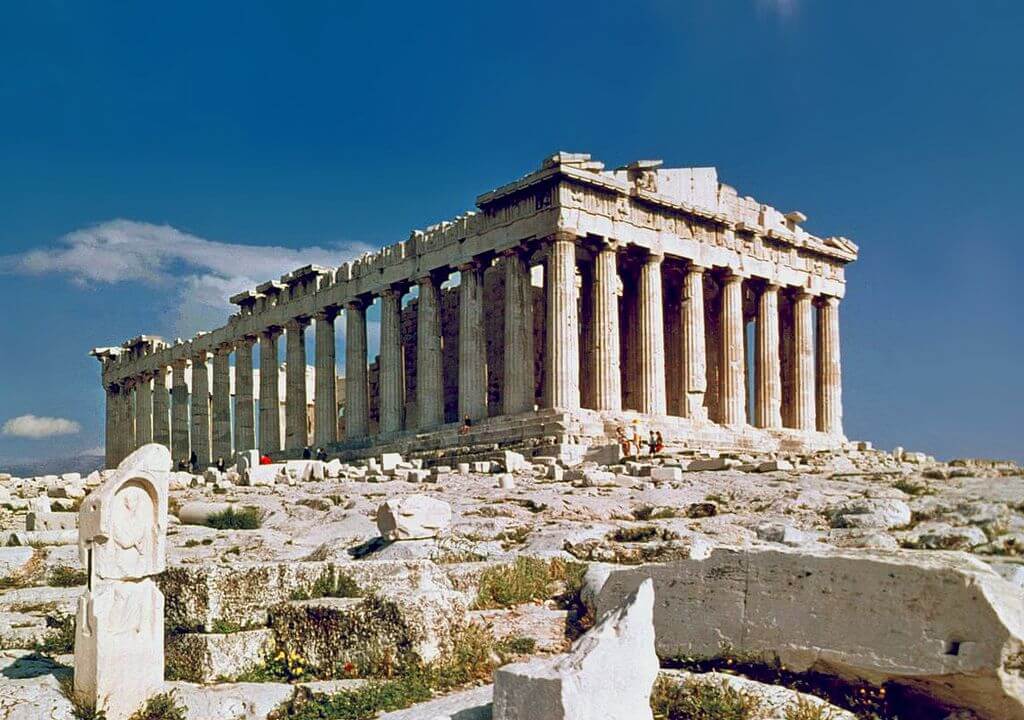
Location: Acropolis Hill, Athens
Construction Date: c. 447–432 BC
Best Time To Visit: spring (April-May) or fall (September-October)
Atop the Acropolis of Athens, this lavishly decorated temple was dedicated to the goddess Athena, patron of the city. While it is still under reconstruction, a full-scale replica can be found in Nashville.
18Thracian Tomb Of Kazanlak, Bulgaria
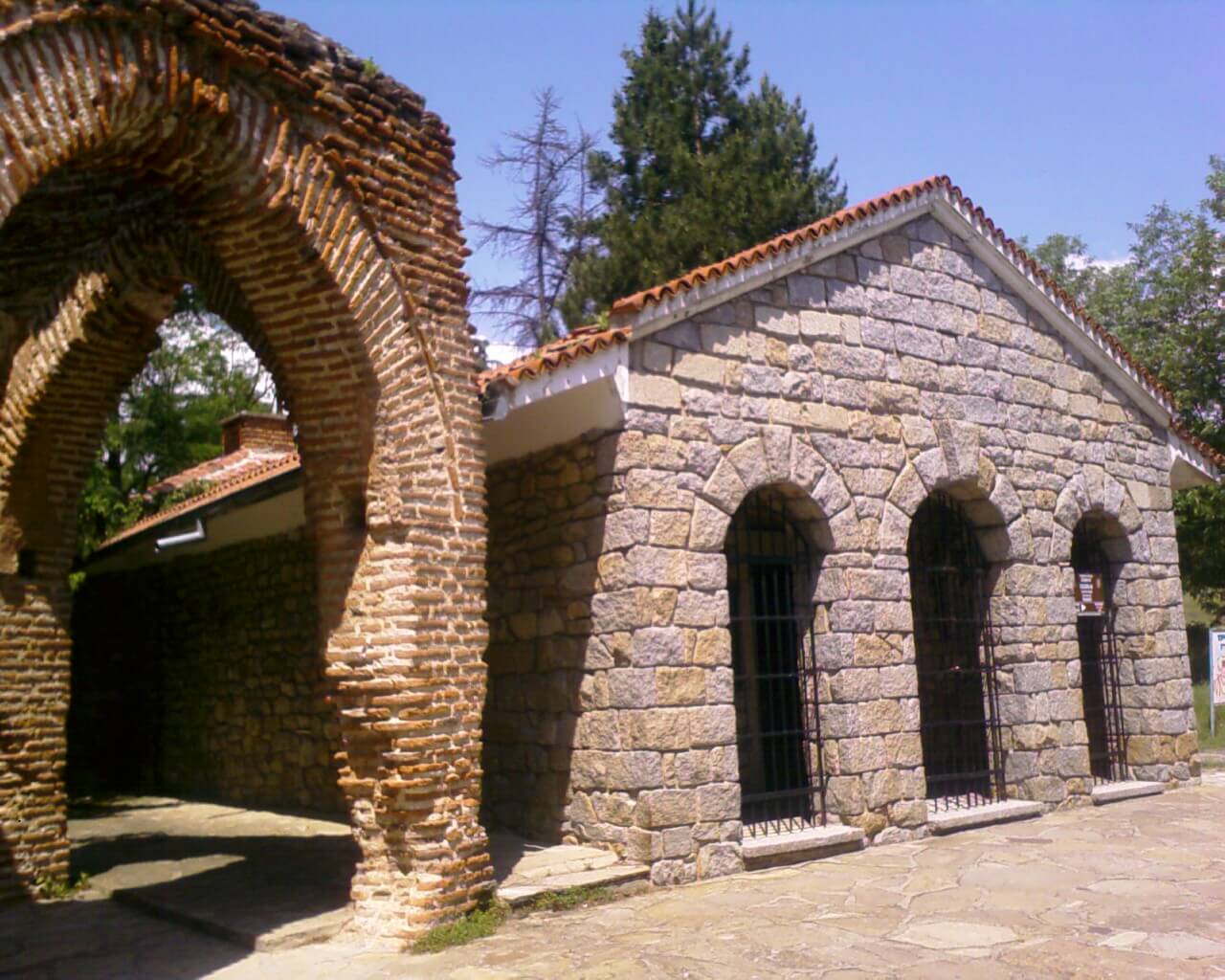
Location: Kazanlak Valley
Construction Date: c. 400–300 BC
Best Time To Visit: spring (April-May) or early autumn (September)
Part of a larger Thracian necropolis near the ancient Thracian capital of Seuthopolis, this tomb is full of colorful murals representing a ritual funeral feast.
19Philae Temple, Egypt
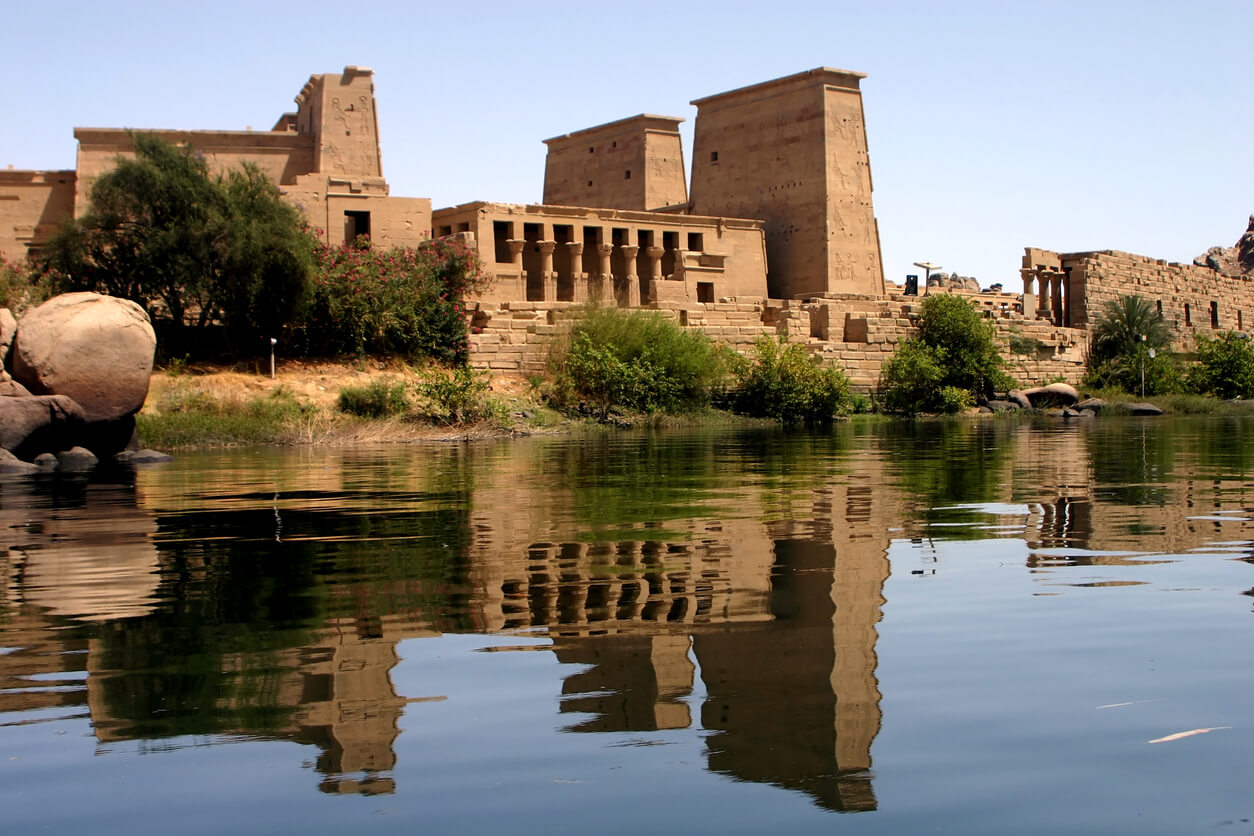
Location: Agilkia Island, Aswan
Construction Date: c. 380–362 BC
Best Time To Visit: October through April
One of the newest Egyptian temples, it is located on an island in the reservoir of the Aswan Low Dam. It was originally built on Philae Island and later relocated. Said to be the burial place of the god Osiris, it also contains a temple for his wife, Isis.
20Sanchi Stupa, Central India

Location: Sanchi Town, Madhya Pradesh
Construction Date: c. 300 BC
Best Time To Visit: October to March Commissioned by the Emperor Ashoka, the Great Stupa at Sanchi is one of the oldest stone structures in India. It houses relics of the Buddha.
21Mausoleum Of The First Qin Emperor, China
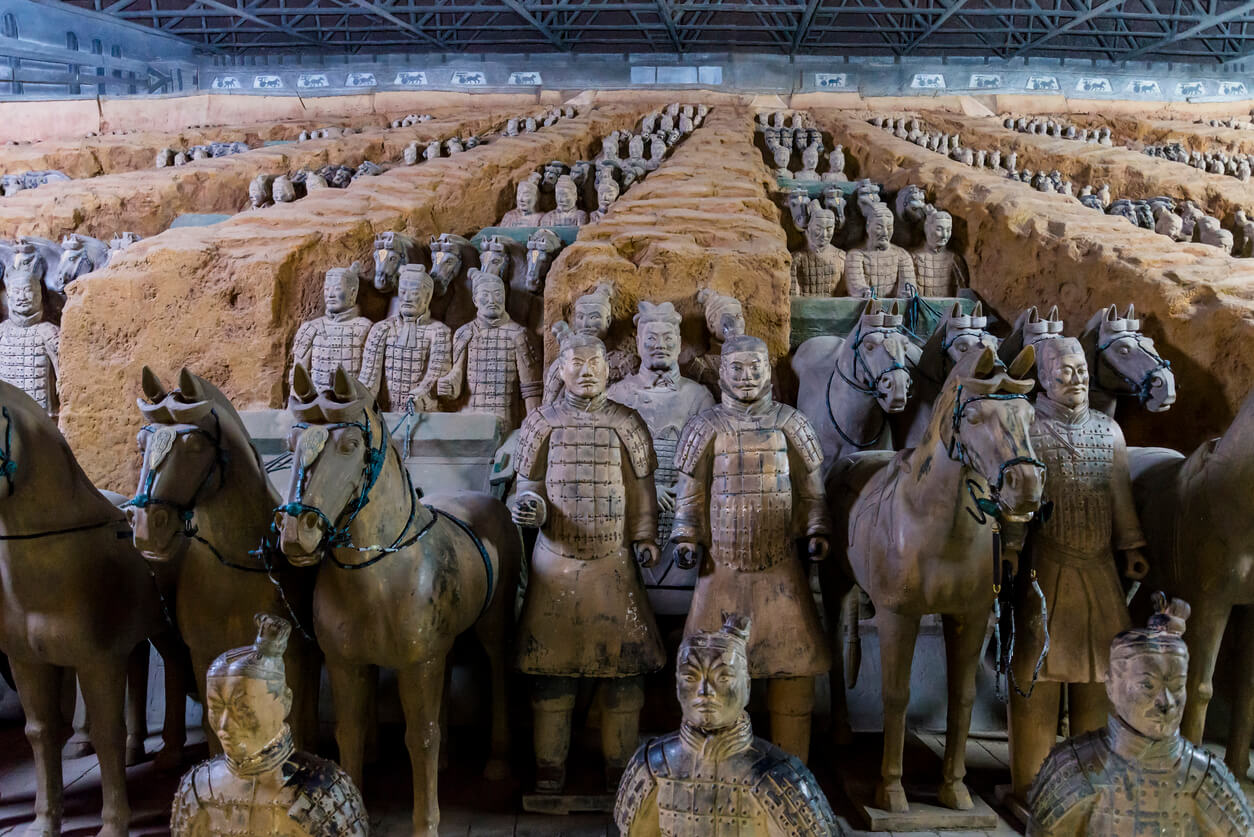
Location: Lintong District, Xi’an
Construction Date: c. 246 BC
Best Time To Visit: spring (March to May) or autumn (September to November)
Built over 38 years, this vast complex houses the famous Terracotta Army which guard the resting place of Qin Shi Huang (who also built the first part of the Great Wall).
22Ajanta Caves, India

Location: Aurangabad District, Maharashtra
Construction Date: c. 230 BC–650 AD
Best Time To Visit: winter season (October to March)
The 29 rock-cut Buddhist caves were started in the 2nd century BC, and their sculptures and paintings are among the finest surviving examples of ancient Indian art.
23Ruwanwelisaya Stupa, Sri Lanka
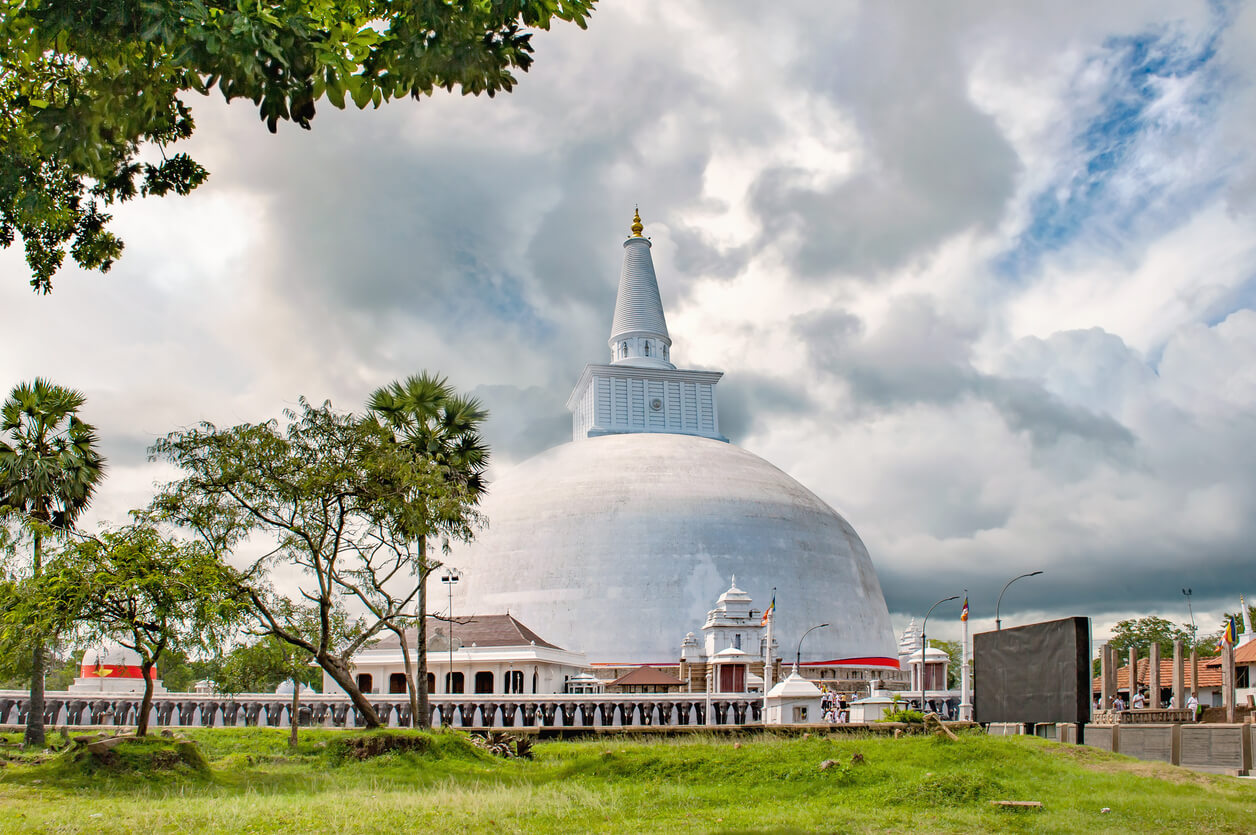
Location: Anuradhapura Sacred City
Construction Date: c. 140 BC
Best Time To Visit: November to April
Built by King Dutugemunu, this Sri Lankan stupa is still active as a pilgrimage site. It was renovated in the early 20th century.
24Maison Carrée, France
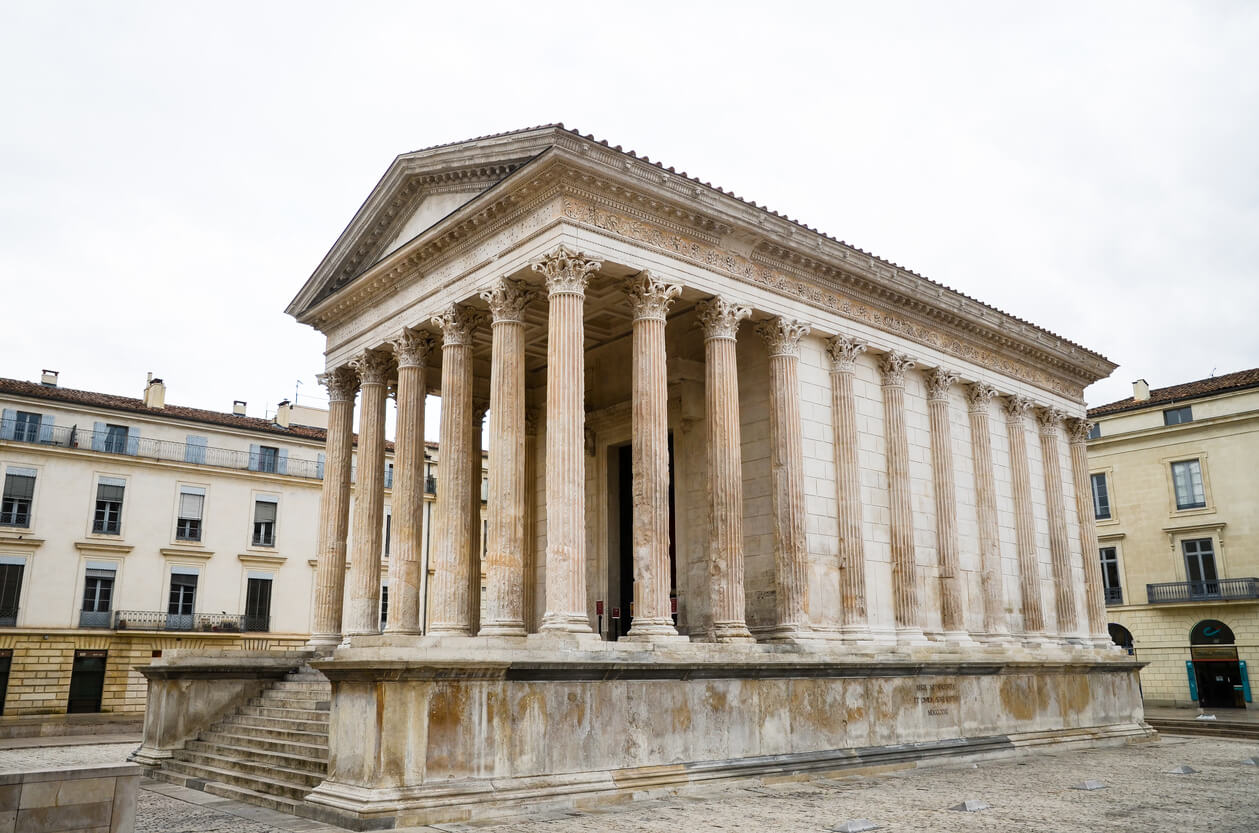
Location: Nîmes, Southern France
Construction Date: c. 16BC – 4AD
Best Time To Visit: spring (May–June) and fall (September–October)
Built during the early Imperial period, it is one of the best-preserved Roman temples in the world.
25Colosseum, Rome

Location: Near the Roman Forum
Construction Date: c. 70–80 AD
Best Time To Visit: autumn (September-October)
Rome’s most famous classical ruin is located just next to the ruins of the Roman Forum. This world-famous Flavian Amphitheatre seating well over 50,000 people. Colosseum, which is one of the oldest buildings in Europe once hosted Gladiator battles and public events.
Why Studying These Old Buildings Matter
Studying the world’s oldest buildings reveals few key information like:
- How early civilizations started.
- How architecture evolved over the years across continents.
- How climate, geography, and materials influenced and shaped construction styles.
- How there has been a global spread of culture, religion, and technology.
Also Read: Have You Visited These Historic Indian Buildings?
Conclusion
These structures are not just relics, they are active cultural, archaeological, or religious sites. From Neolithic villages of Scotland to the grand temples of Egypt, Greece, China & India, the world’s oldest buildings highlight humanity’s shared heritage. If you wish to walk through thousands of years of history and understand what shaped the early civilizations, visiting these sites is a great idea.
FAQs About The World’s Oldest Buildings
The World Heritage Day (also called International Day for Monuments and Sites) is directly related to historic buildings because on this day its main purpose is to raise awareness about the historic buildings, its fragility and the need to protect and preserve the cultural and natural sites for future generations.
The “oldest building” title is often debated, however the key criteria for a building to be counted are as below:
Definition of “building” (temple, home, tomb)
Archaeological dating
How much original structure remains
Whether the building was continuously used.
Yes, visitors can go inside many of these listed buildings and structures as they are major archaeological sites and historic tourist destinations. However, check before going as access may vary depending on the building’s condition, location, and preservation status.
