

Dumplings are small pieces of dough, either filled or unfilled and cooked by boiling, steaming, frying, baking, or pan-frying. They are found in cuisines across Asia, Europe, Africa, and the Americas. Since dumplings are a universal type of food and fall under the global food category, they come in different shapes and sizes. These dumplings can differ from region to region based on shape, type of filling and also the method of cooking. From vegetarian versions to non-vegetarian, from seafood variations to sweet ones, the different types of dumplings are as limitless as your imagination.
Table of Contents
Have You Tried These Different Types Of Dumplings?
1. Banh Bot Loc (Vietnam)

Dough: Tapioca flour
Filling: Pork belly and shrimp
Cooking Method: Steamed or Boiled
Banh Bot Loc is a transparent Vietnamese dumpling made with tapioca flour that gives it a unique clear appearance and chewy texture. They are generally served with a fish based dipping sauce and fried shallots for that extra burst of flavor. Banh Bot Loc is among the widely enjoyed types of dumplings around the world.
2. Buuz (Mongolia)
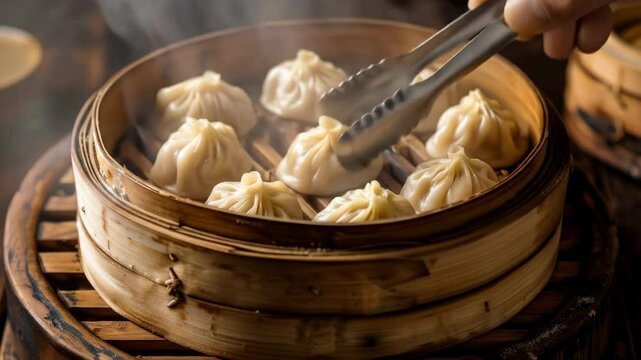
Dough: Wheat flour
Filling: Ground beef or mutton, onion, garlic
Cooking Method: Steamed or Pan-Fried
Buuz is a Mongolian steamed dumpling traditionally eaten during the Mongolian Lunar New Year (Tsagaan Sar). This version of steamed dumpling is usually seasoned with herbs for added flavors. Some variations of the dumplings might also include cabbage and mashed potatoes. You can also find the pan-fried version of the same, called khuushuur.
3. Cha Siu Bao (China)
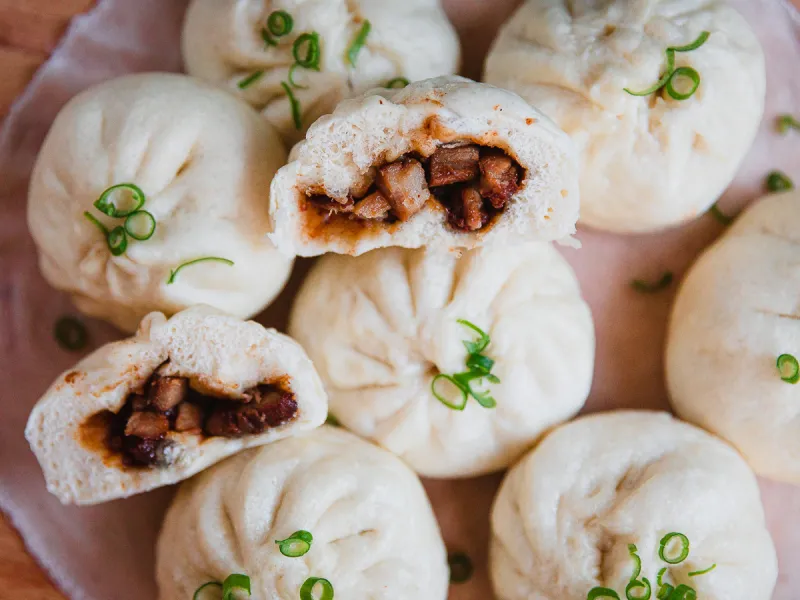
Dough: Yeasted wheat dough
Filling: Barbecued pork (cha siu)
Cooking Method: Steamed or Baked
Cha Siu Bao are steamed pork buns which are commonly served as dim sum. These pork buns can also be baked, and are then referred to as cha shao can bao. Variations of Cha Siu Bao can be found outside China in a place called manapua in Hawaii. Cha Siu Bao is one of the most authentic types of dumplings around the world and you should definitely try them.
4. Chuchvara (Central Asia)
 Dough: Unleavened wheat dough
Filling: Ground lamb or beef with spices
Cooking Method: Boiled
Chuchvara,also called as joshpara, dushbara, and shishbarak, is a small dumpling made by boiling in meat broth and is served with yogurt or sour cream. The boiled dumpling is found throughout Central Asian and the Middle East region. Chuchvara is very similar in size and preparation to the Turkish manti.
5. Coxinhas (Brazil)
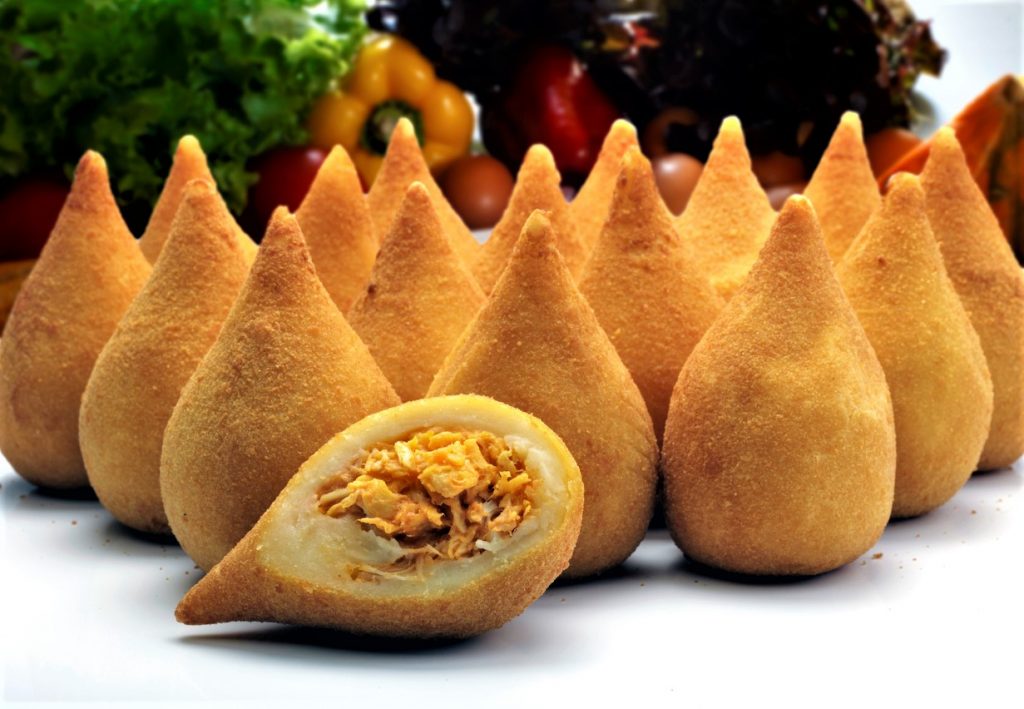 Dough: Thick wheat-based dough
Filling: Shredded chicken
Cooking Method: Deep-Fried
Coxinhas are deep-fried Brazilian dumplings made of thick dough stuffed with shredded chicken. They are shaped to resemble a chicken drumstick, hence the name ‘coxinha’ which literally means “little thigh”. These types of dumplings are famous in Brazil and are often served with dipping sauces.
6. Empanadas (South America)

Dough: Wheat or corn flour
Filling: Meat, fish, vegetables, or cheese
Cooking Method: Baked or Fried
Empanadas are savory pouches of fried dough that are available in tons of varieties and stuffings. It is similar to the Italian calzone. Some people consider empanadas too big to be dumplings, but they fit the dumpling definition due to their filled dough structure.
7. Gyoza (Japan)
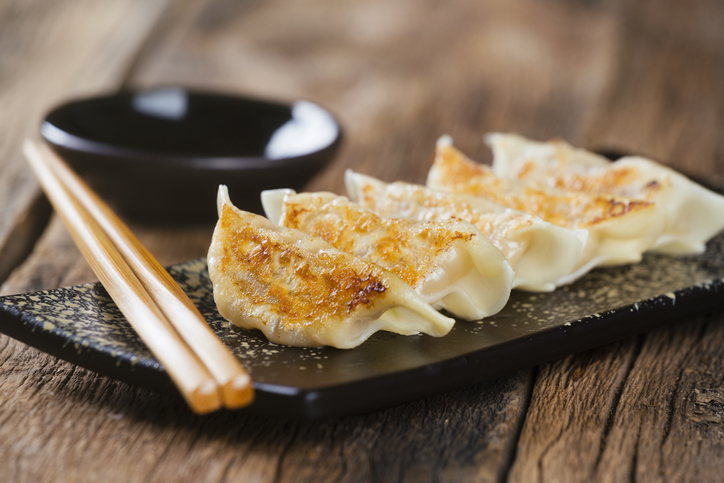
Dough: Thin wheat wrappers
Filling: Minced pork, cabbage, garlic, ginger
Cooking Method: Pan-Fried and Steamed
Gyoza are Japanese pan-fried dumplings inspired by Chinese pot stickers. They are typically served with a dipping sauce made from rice vinegar, soy sauce and chili oil. These are some of the best dumplings from around the world and shouldn’t be missed.
8. Har Gow (China)

Dough: Tapioca and wheat starch
Filling: Shrimp, bamboo shoots, grated ginger
Cooking Method: Steamed
Har Gow, often called a “shrimp bonnet,” is a Cantonese shrimp dumpling known for its translucent wrapper and pleated appearance. The transparent dough highlights the fresh shrimp filling inside and is often served alongside Siu Mai in dim sum restaurants.
9. Jiaozi (China)

Dough: Wheat flour
Filling: Meat, vegetables, or seafood
Cooking Method: Boiled (shui jiao), Steamed (zhēngjiao), or Pan-Fried (guo tie)
Jiaozi are the most common type of Chinese dumpling. They are eaten year-round, particularly during the Chinese New Year. It is served with soup or with a dipping sauce containing rice wine, soy sauce, sesame oil, vinegar, ginger, and garlic.
10. Khinkali (Georgia)

Dough: Wheat flour
Filling: Ground meat, herbs, onions
Cooking Method: Boiled
Khinkali are traditional Georgian dumplings with twisted top knot and juicy interior. These Eastern European delights are eaten by holding the twisted top, biting into the dumpling, and sipping the broth before eating the rest. They taste best when served with coarse black pepper.
11. Knish (Eastern Europe)
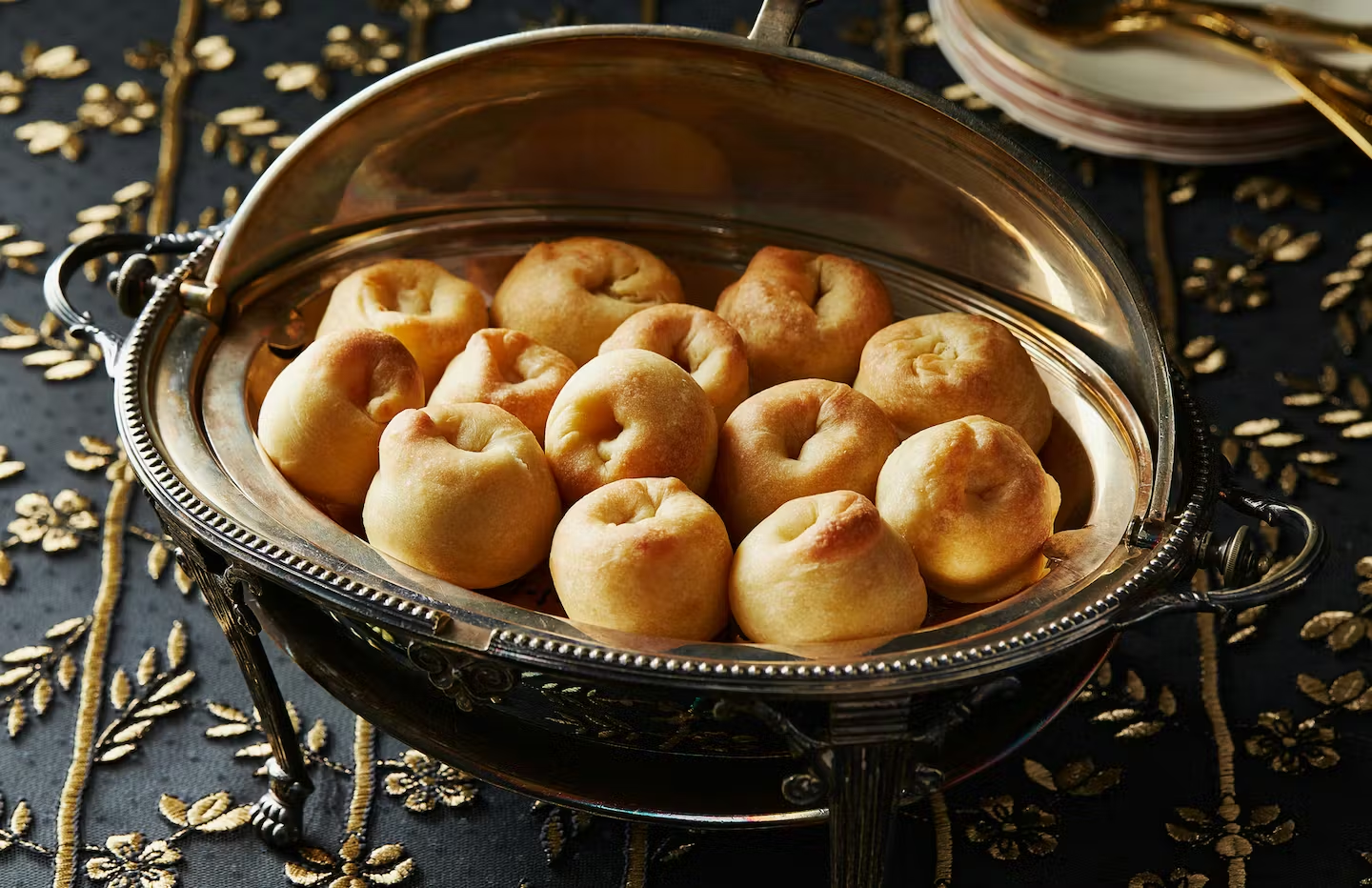
Dough: Thick wheat dough
Filling: Mashed potatoes, onions, sauerkraut, or cheese
Cooking Method: Baked or Deep-Fried
A knish is a Jewish snack found across the Eastern European region. They are considered as hearty dumplings as it is made with a heavy dough. The potato-filled versions are the most common ones, especially in the Jewish diaspora communities.
12. Kreplach (Eastern Europe)

Dough: Thin flour-and-egg dough
Filling: Meat or mashed potatoes
Cooking Method: Boiled
Kreplach are Jewish dumplings often compared to Polish uszka and Italian tortellini. They are a form of soup dumplings as the kreplachs are folded into a triangle or a crescent and served in chicken soup.
13. Kroppkaka (Sweden)
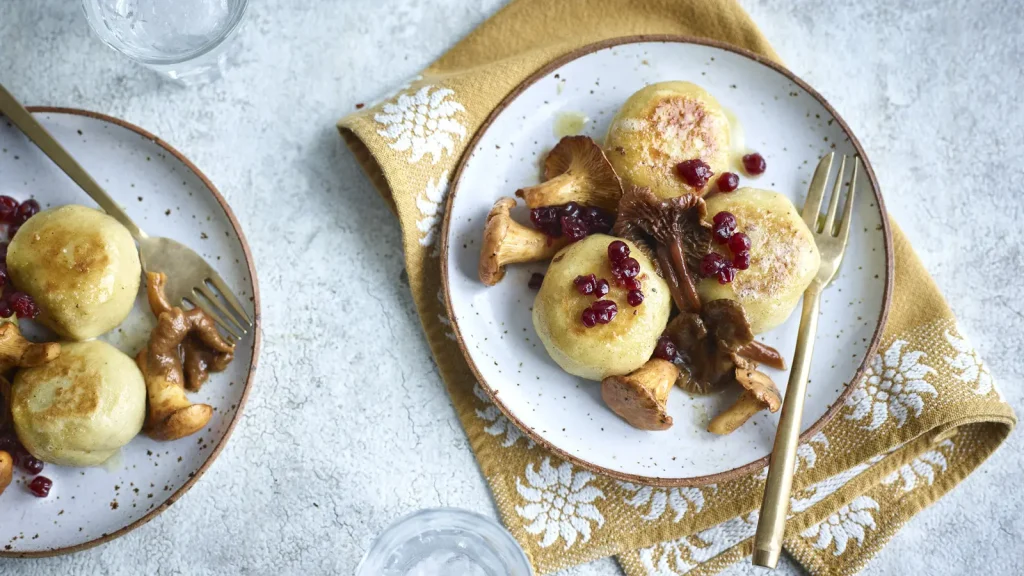
Dough: Potatoes and flour
Filling: allspice, Bacon and onions
Cooking Method: Boiled Kroppkaka are traditional Swedish potato dumplings and come in different versions. The most popular versions of this are the Pitepalt and blodpalt. These dumplings are typically served with lingonberry sauce and butter.
14. Mandu (Korea)
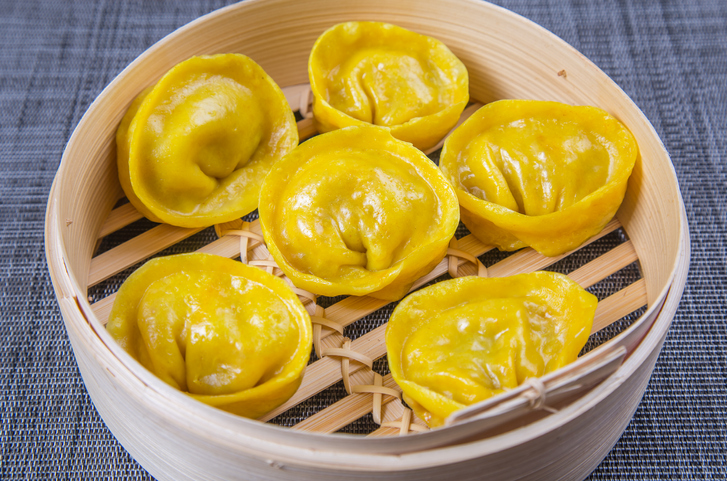
Dough: Wheat wrappers
Filling: Pork, kimchi, vegetables, noodles
Cooking Method: Steamed, Boiled or Pan-Fried
Mandu is the Korean take on dumplings; they are more similar to the Central Asian manti than the Chinese or Japanese dumplings. It is served with a dipping sauce made of soy and vinegar. Mandu can be prepared in many ways and are sometimes used to make mandu-guk, a traditional dumpling soup.
15. Manti (Turkey)
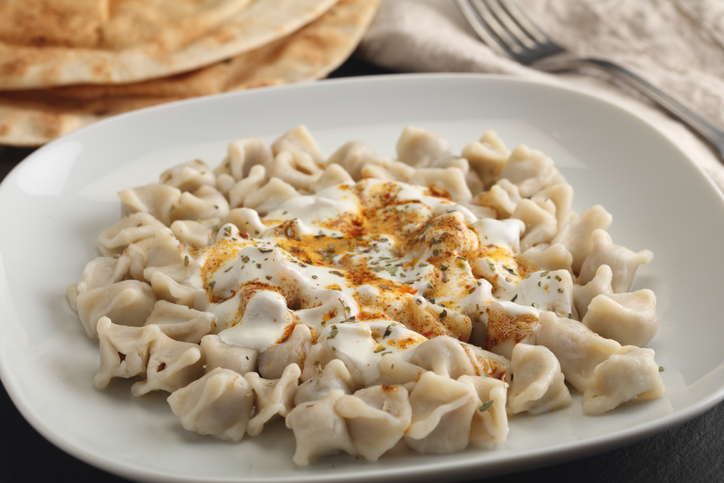
Dough: Unleavened wheat dough
Filling: Ground lamb or beef
Cooking Method: Boiled Manti are small Turkish dumplings that can be found throughout the Central Asian region, especially in northwestern China, Azerbaijan, Uzbekistan, and Kazakhstan. They taste best when served with yogurt sauce spiced with red pepper (or Middle Eastern sumac) or with butter. These are the most popular types of dumplings around the world.
16. Maultaschen (Germany)
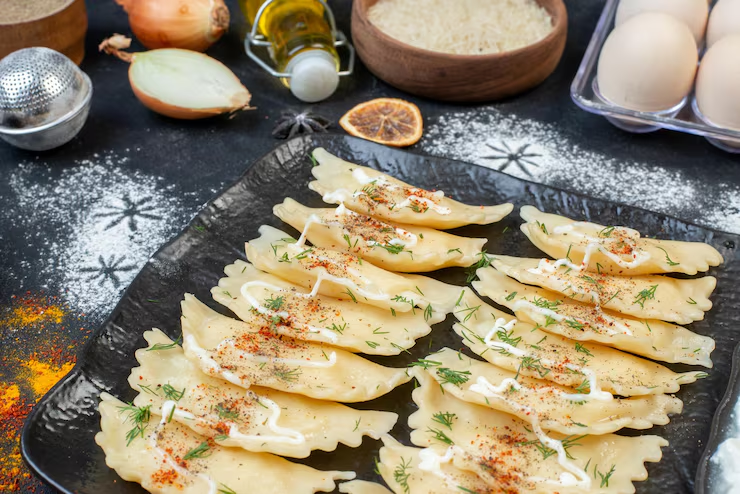
Dough: Pasta dough
Filling: Sausage meat, spinach, bread crumbs, onions, spices
Cooking Method: Boiled or Pan-Fried Maultaschen is a traditional German dumpling similar in appearance to ravioli. The dumpling originated in the region of Swabia and are often associated with Lent. They can be served in broth or sliced and fried with onions.
17. Modak (India)
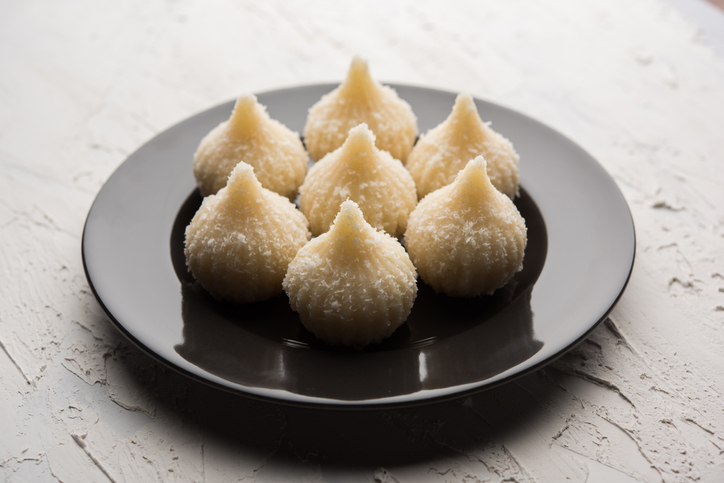
Dough: Rice flour
Filling: Coconut and jaggery
Cooking Method: Steamed or Fried Modaks are sweet Indian dumplings which are popular across the country, especially in the state of Maharashtra. They are generally prepared and eaten during the Ganesh festival. The teardrop-shaped dumplings taste best when served hot and topped with ghee. This is among the few sweet versions of dumplings.
18. Momos – (Tibet, Nepal & India)
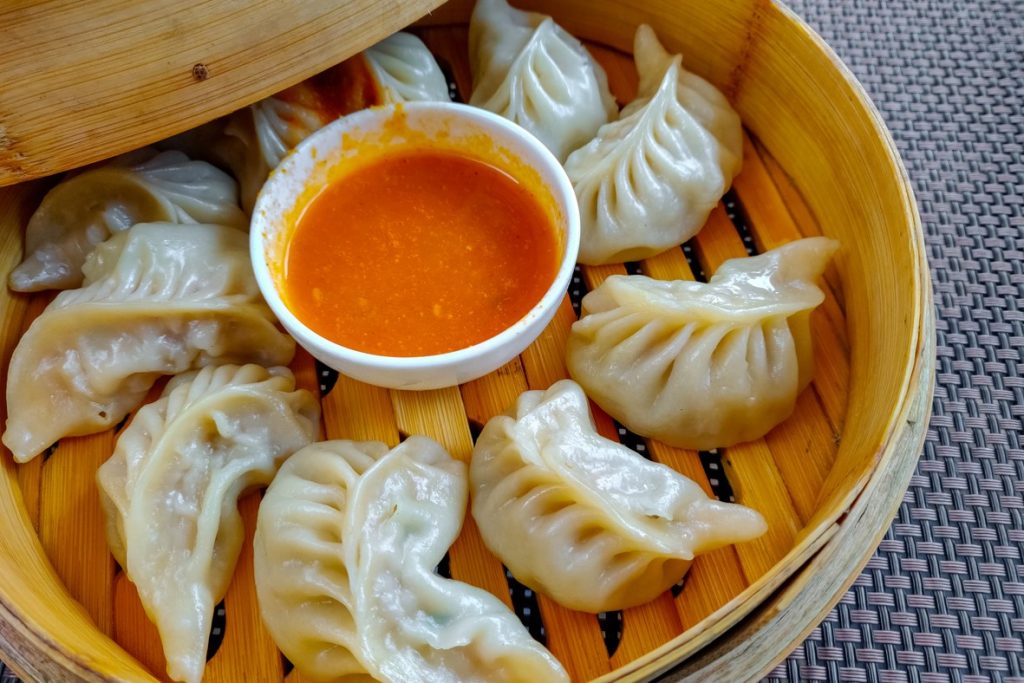 Dough: Rice or wheat flour
Filling: Meat, vegetables, or cheese
Cooking Method: Steamed or Pan-Fried
Momos are filled dumplings that come in two versions: steamed and pan-fried dumplings. A healthier version of the dumpling is made with whole wheat flour. They are steamed instead of pan-fried. It is often served with a tomato-based spicy dipping sauce and chili oil or soy sauce.
19. Pasteles (Puerto Rico)

Dough: Plantains, root vegetables, unripe bananas
Filling: Stewed pork, vegetables, chickpeas, olives
Cooking Method: Boiled
Pasteles are popular Caribbean dumplings made especially during festive seasons. It is a unique type of dumpling as the dough is made of masa, grated root vegetables, squash, plantains, and unripe bananas, along with milk and annatto oil. Variations of these types of dumplings are found in the Dominican Republic, Trinidad, Cuba, and Hawaii.
20. Pastizzi (Malta)
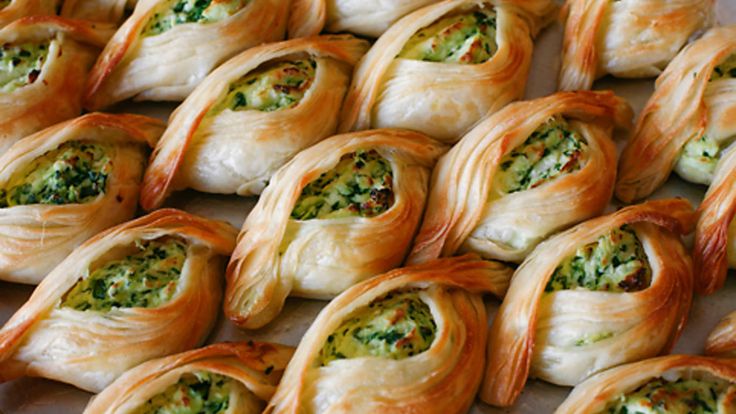
Dough: Layered pastry dough
Filling: Ricotta cheese or peas
Cooking Method: Baked
Pastizzi are diamond-shaped dumplings known for their crisp exterior and soft interior. They can be filled with a variety of fillings, usually ricotta (pastizzi tal-irkotta) or mashed peas (pastizzi tal-piżelli). The pastizzi are then baked on metal trays.
21. Pelmeni (Russia)
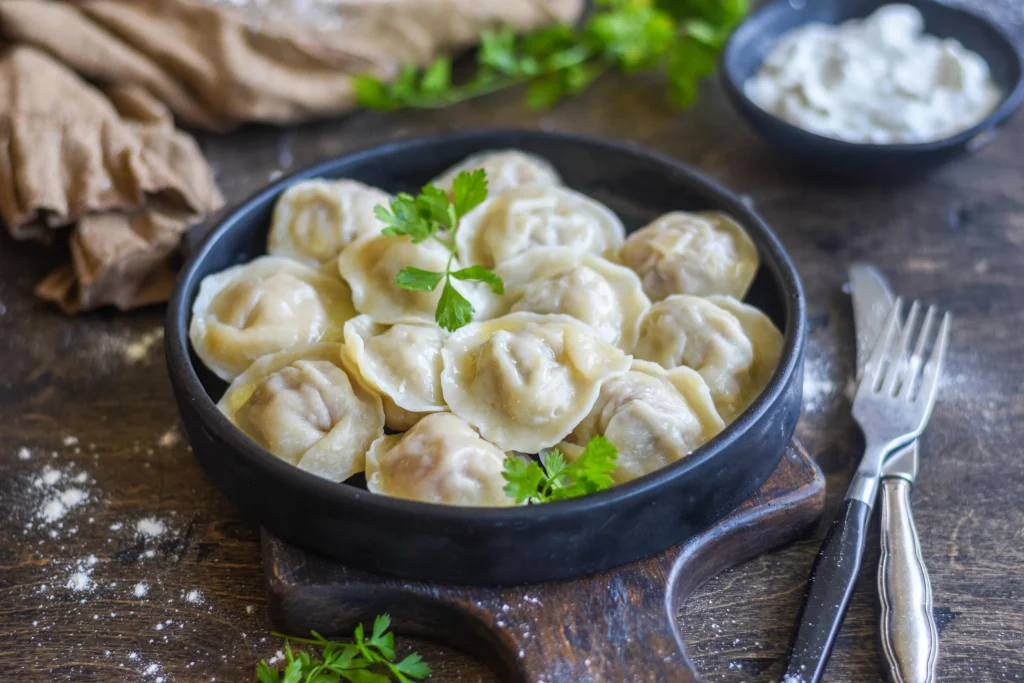
Dough: Unleavened wheat dough
Filling: Minced meat, mushrooms, or cheese
Cooking Method: Boiled
Pelmeni is ravioli-like crescent-shaped Russian dumplings of Siberian origin. These dumplings are usually served with butter, sour cream, or vinegar. Unlike some dumplings, they are never filled with sweet ingredients.
22. Pierogi (Poland)
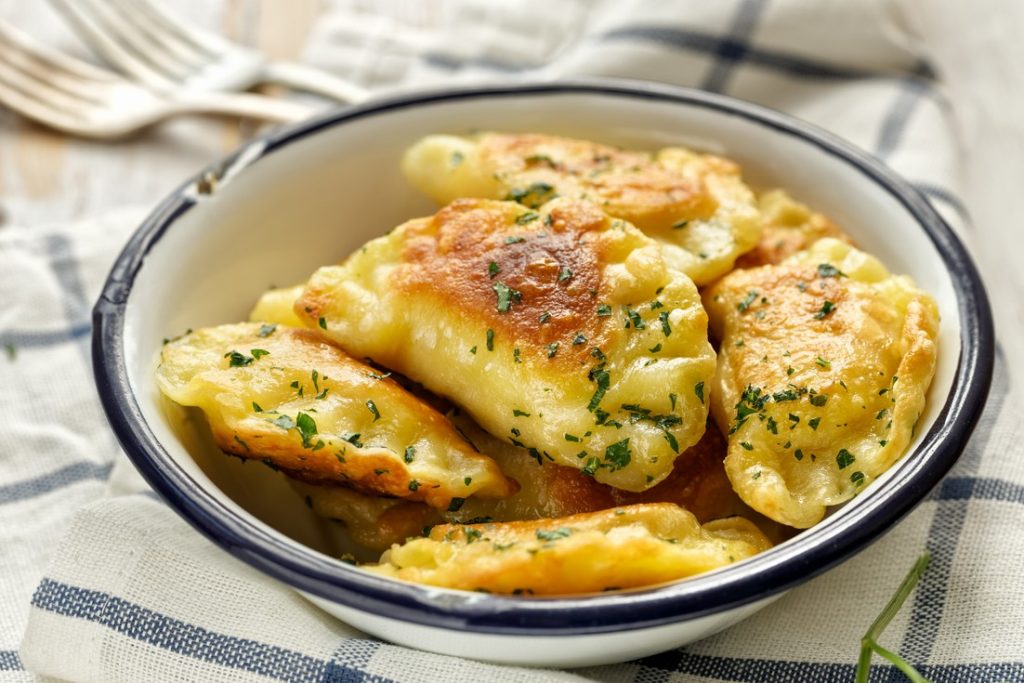 Dough: Unleavened dough
Filling: Potatoes, cheese, meat, sauerkraut, or fruit
Cooking Method: Boiled, then Pan-Fried
Pierogi are traditional Polish dumplings filled with savory or sweet items. The dumpling is cooked first in boiling water and then pan-fried in butter with onions. Savory pierogi is served with sour cream, while sweet pierogi is sugared and served with melted butter or cream.
23. Pitha (India)
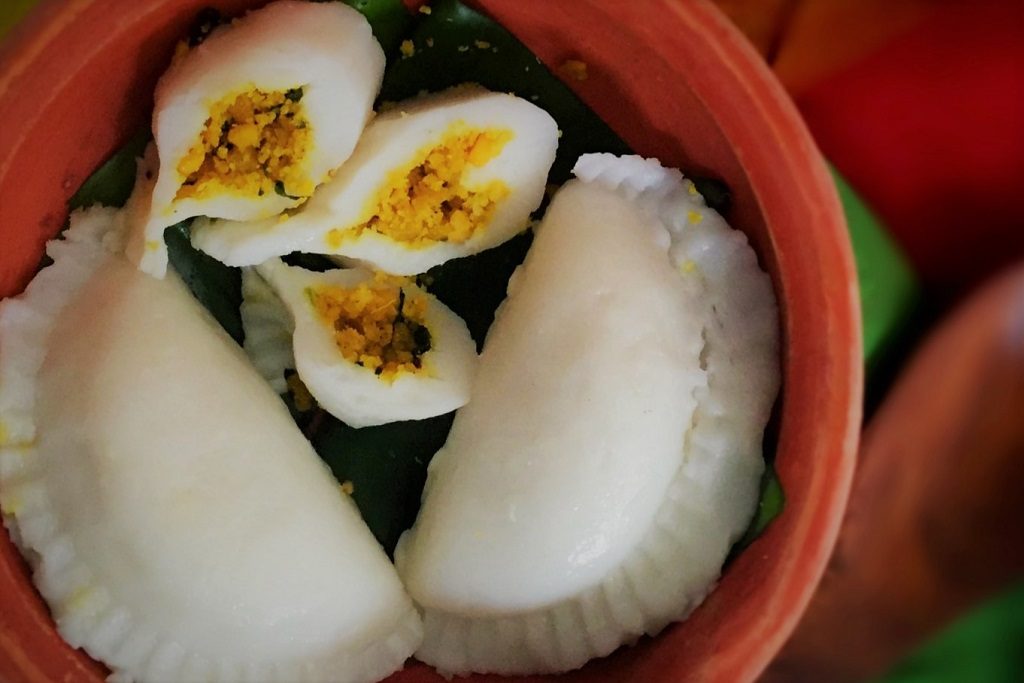
Dough: Rice flour
Filling: Bengal gram paste, poppy seeds, jaggery
Cooking Method: Steamed
Pitha is often called the Bihari answer to dumplings and momos. Either sweet or savory, these semi-circular balls are very popular in eastern India. They are typically steamed in water or milk.
24. Ravioli (Italy)

Dough: Pasta dough
Filling: Meat, cheese, vegetables
Cooking Method: Boiled
Ravioli are essentially pockets of pasta with various fillings (and, therefore, qualify as dumplings). These Italian pasta dumplings are usually served with a sauce or in broth.
25. Rissóis (Portugal)
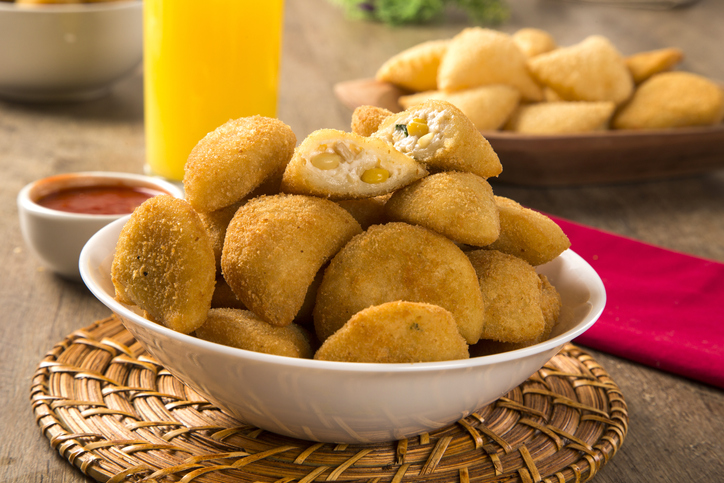
Dough: Wheat flour dough
Filling: Shrimp, fish, meat, or chicken
Cooking Method: Breaded and Deep-Fried Rissóis (or rissoles as they are more commonly known) originated in Portugal. They are a breaded half-moon-shaped pastry, usually had as a snack or appetizer throughout Portugal.
26. Samosa (India)

Dough: Wheat flour
Filling: Potatoes, peas, spices, sometimes meat
Cooking Method: Deep-Fried Samosas are a popular deep-fried Indian snack. They can be found across India, and also in the Middle East and North Africa. It is often accompanied with mint chutney or tomato ketchup.
27. Siu Mai (China)

Dough: Wheat wrappers
Filling: Pork, shrimp, chicken, vegetables
Cooking Method: Steamed
Siu Mai are open-topped Chinese dumplings commonly served as dim sum. These dumplings originated in Hohhot, in Inner Mongolia. Now, there are various versions of these dumplings in China as well as across several countries in Southeast Asia. They are often topped with roe or diced vegetables.
28. Svestkove Knedlíky (Czech Republic)
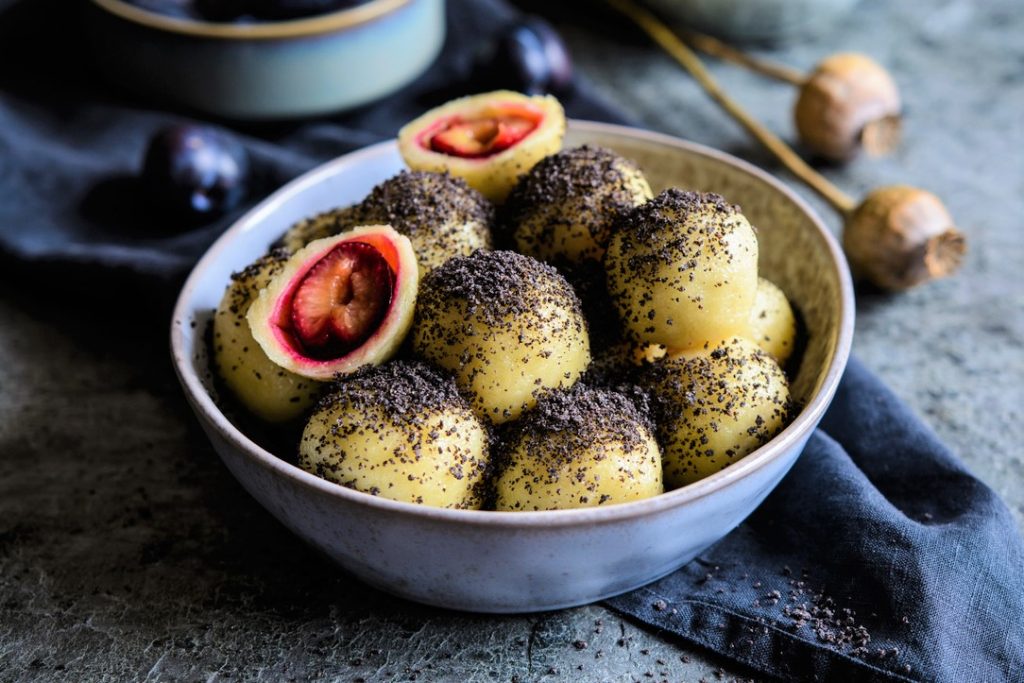 Dough: Potato or flour-based dough
Filling: Plums
Cooking Method: Boiled
Svestkove Knedlíky are unique dumplings that are filled with fruit. The dough is wrapped around a whole fruit (often a plum) before being boiled and sprinkled with sugar and served with quark or “curd cheese”.
29. Tamales (Mexico)

Dough: Corn masa
Filling: Meat, cheese, vegetables, or fruit
Cooking Method: Steamed
Tamales are iconic Mesoamerican dumplings that dates all the way back to the Mayan civilization. They are wrapped in corn husks or banana leaves before being cooked.
30. Tortellini (Italy)

Dough: Pasta dough
Filling: Meat, cheese, or vegetables
Cooking Method: Boiled
Tortellini are ring-shaped Italian dumplings originated from the Emilia-Romagna region in northern Italy. These pockets of pasta dough may be enclosed with various fillings. A local Bologna favorite is ‘tortellini in brodo’, which features the dumplings in a rich beef broth.
31. Uszka (Poland)
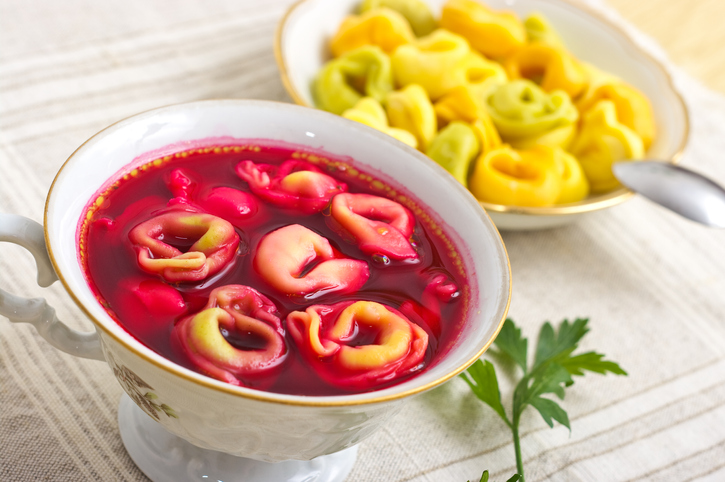
Dough: Wheat flour
Filling: Mushrooms or meat
Cooking Method: Boiled
Uszka are small Polish dumplings traditionally served in borscht or clear soup, especially on Christmas Eve. These dumplings are said to be shaped like ears as the word uszka means “little ears” in Polish.
32. Vareniky (Ukraine)

Dough: Wheat flour
Filling: Fish, meat, cheese, vegetables, or fruit
Cooking Method: Boiled
Varenyky are Ukrainian dumplings similar to pierogi and served savory or sweet. These types of dumplings are traditionally eaten with sour cream, but may also be a dessert, filled with fruit, such as, sour cherry, blueberries, along with sweet cottage cheese and lemon juice.
33. Wontons (China)
 Dough: Wheat flour wrappers
Filling: Pork, garlic, cabbage
Cooking Method: Boiled or Deep-Fried Wontons are similar to jiaozi, but have thinner skin and are relatively flatter. They are usually served in chicken broth, rather than being eaten with dipping sauce. Wontons are especially popular in southern China and are eaten during the Chinese New Year.
34. Xiao Long Bao (China)

Dough: Wheat flour wrappers
Filling: Pork, garlic, mushroom, aspic
Cooking Method: Steamed Xiao Long Bao, perhaps better known as “soup dumplings” are steamed dumplings from Shanghai. They’re filled with small piece of aspic which melts when steamed creating a flavourful broth. They are pinched closed at the top rather than folded.
35. Zongzi (China)

Dough: Glutinous rice
Filling: Red bean paste, Chinese dates, or cured meat
Cooking Method: Steamed or Boiled
Zongzi are types of Chinese dumplings made with glutinous rice. The dumplings are wrapped in bamboo leaves before being steamed or boiled. They are traditionally eaten during the Duanwu Festival (Dragon Boat Festival).
Also Read: 35 Types of Delicious Doughnuts Around the World
There’s More To Dumplings!
There are many other types of dumplings around the world; such as the Chinese tangyuan and the Japanese daifuku (both desserts made with glutinous rice flour and containing a sweet filling); Cornish pasties (savory pastries filled with meat and potatoes) and the Greek tyropitakia (phyllo dough pastry triangles filled with cheese).
Of course, to many people, dumplings are also starchy balls of dough that are steamed or baked. With no filling, these are often eaten with soups and stews or are desserts. Examples include:
Banku – a type of steamed dumpling made from fermented cornmeal from Ghana.
Dango – similar to mochi, these dumplings are made from rice flour and served on a skewer; there are different varieties for the different seasons.

Gnocchi – these Italian dumplings are shaped from a mixture of egg, potato, and all-purpose flour; they are served with butter, cheese, or other sauces.
Halušky – a traditional variety of cooked dumplings in Central and Eastern Europe, they are made with a batter of flour and egg or potatoes (such as bryndzové halušky, which are from Slovakia).
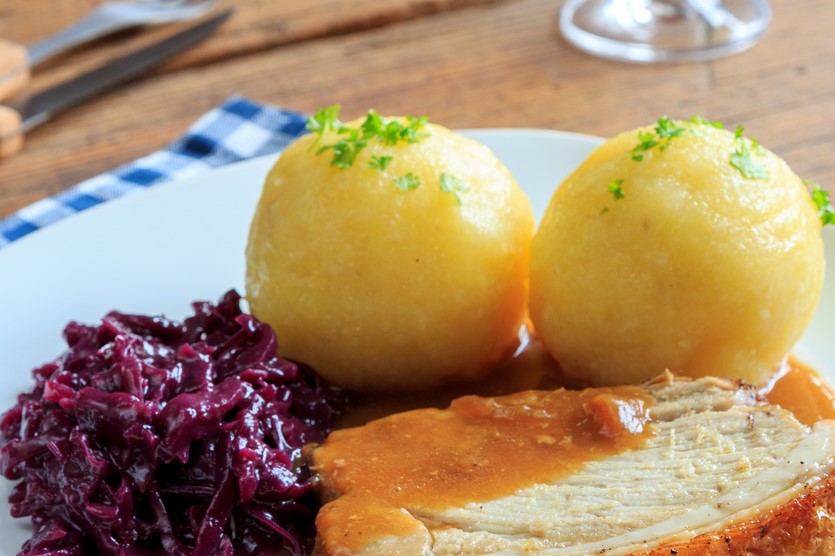
Kartoffelknödel – knödel is the German word for boiled dumplings, and kartoffelknödel is a version made with potatoes and/or semolina flour to accompany meat dishes. You can also try semmelknödel, made with bread and eggs, and the Jewish matzah balls made from matzo meal.
Kubbeh – an Iraqi-Jewish dumplings dish made with bulgur, minced onions, finely ground meat, and Middle Eastern spices. It can also be called köfte and is popular across the Levant.
Shlishkes – small boiled potato dumplings made from potato dough and rolled in bread crumbs; they are popular in Hungary.
Souskluitjies – sweet dessert dumplings from South Africa often covered in a cinnamon syrup or custard.
Conclusion
From Chinese jiaozi to Italian ravioli, from Indian modak to Mexican tamales, these are some of the most delicious types of dumplings around the world. It is also one of the most diverse and globally loved foods, with hundreds of regional variations worldwide. How many of these dumplings have you already tried and how many of them are you dying to taste? Let us know about your experience with dumplings around the world. And if we’ve missed any of your favorites, do share them in the comments below.
FAQs
Dumplings are a type of dish which primarily consists of dough (made from sources of starch such as flour, potatoes etc.) and comes either with a filling or without.
There seems to be an endless variety of Chinese dumplings. However, for ease of understanding, they can be classified into two main types – crescent-shaped dumpling (gao) and purse-shaped dumplings (bao). Within these two types, there are several variations, many of which such as shui jiao, guo tie and more have been mentioned in our article.
There’s no specific term in English for filled dumplings but different cuisines around the world have terms for filled dumplings made in their region.
Wontons are a type of dumpling from China.
Momos that originated in Tibet always come with fillings, whether meat or vegetables, however dumplings from China, may or may not have fillings.

That is seriously a wonderful compilation.. well done.. 🙂
What would be even better is if you have actually tried each one of them.. especially in those particular countries..
Thank you for the auspicious writeup. It in fact was
a amusement account it. Look advanced to far added agreeable from you!
However, how could we communicate?
I needed to thank you for this good read!! I absolutely loved every little bit of it.
I’ve got you book marked to check out new things you post…
Having read this I believed it was very informative. I appreciate you spending some time and effort to put this informative article together.
I once again find myself personally spending a significant amount of time both reading and posting comments.
But so what, it was still worthwhile!
Hello there! This article could not be written any better!
Looking through this article reminds me of my previous roommate!
He constantly kept talking about this. I most certainly will forward this article to him.
Fairly certain he’s going to have a great read. Thank
you for sharing!
Remarkable! Its actually awesome article, I have got much
clear idea on the topic of from this post.
Hey There. I found your blog using msn. This is a very well
written article. I’ll be sure to bookmark it and return to
read more of your useful info. Thanks for the post.
I’ll certainly comeback.
After looking over a few of the blog posts on your blog, I
really like your way of blogging. I saved it to my bookmark website list
and will be checking back in the near future.
It’s not my first time to pay a quick visit this web page, i am visiting this web
page dailly and get good facts from here daily.