Serengeti National Park in Tanzania is one of the most sought-after safari destinations in the world. From the legendary Great Migration to its untouched wilderness, the 14,750 square kilometers national park offers one of the most immersive experiences in the world. This UNESCO world heritage site has not just been recognized as Africa’s most renowned wildlife reserves but also as one of the “Seven Natural Wonders of Africa” and the “Ten Natural Wonders of the World.”
With so many feathers in the cap, this destination should be on the top of every safari enthusiast bucket list. So, if you’re planning a trip to Serengeti National Park and don’t know where to start from, our guide will help to plan that perfect African Safari vacation.
Table of Contents
Overview Of Serengeti National Park
- Serengeti Park is located in northern Tanzania (from northwest of the Ngorongoro conservation area and goes up to the Kenya border.
- The 14,750 square kilometres national park is a UNESCO world heritage site.
- The world’s largest mammal migration (around 2 million animals) happens here in Serengeti.
- Big Five (lion, leopard, elephant, buffalo, and rhino) wildlife sightings.
- It is one of Africa’s oldest National Parks.
Why Visit Serengeti National Park
- Witness the world-famous Great Migration.
- Important wildlife conservation and wilderness areas in Africa.
- Africa’s best safari destination, offers the best all-round safari experience.
- Enjoy year-round migratory views.
- Best place to spot the Big Five.
The Great Migration Explained
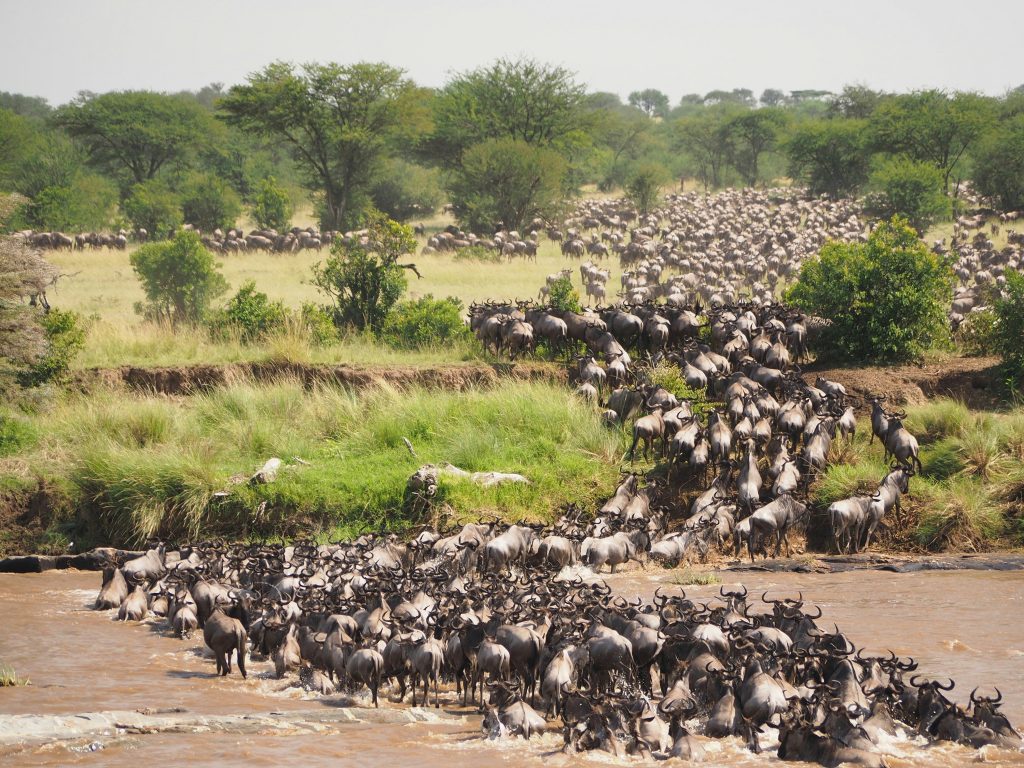
The Serengeti Great Migration is the movement of large herds of animals in search of food. The movement of animals is so large that it can be seen from space. The 800 km long journey starts from Ngorongoro Conservation Area and then crosses into the Maasai Mara National Reserve in Kenya and back again. This is one of the biggest highlights of a Serengeti trip.
Migration Timeline
January – March: This is the calving season where herds gather in southern Serengeti and give birth to half a million calves over 2–3 weeks.
April – June: This is when the Northern Trek begins. Herds move northwest toward the Grumeti River in search of food and water.
July – October: Herds take risk to cross the crocodile-infested Grumeti and Mara Rivers and get into Kenya’s Masai Mara.
November – December: This is the time when herds of animals return to southern plains to complete the migration cycle.
Wildlife In Serengeti National Park
People travel to Serengeti Tanzania to see the densest population of wildlife in an unspoilt natural environment. The multi-ecosystems of the Serengeti will not disappoint you. Let’s take a look at what animals we can expect to see in Serengeti ecosystem:
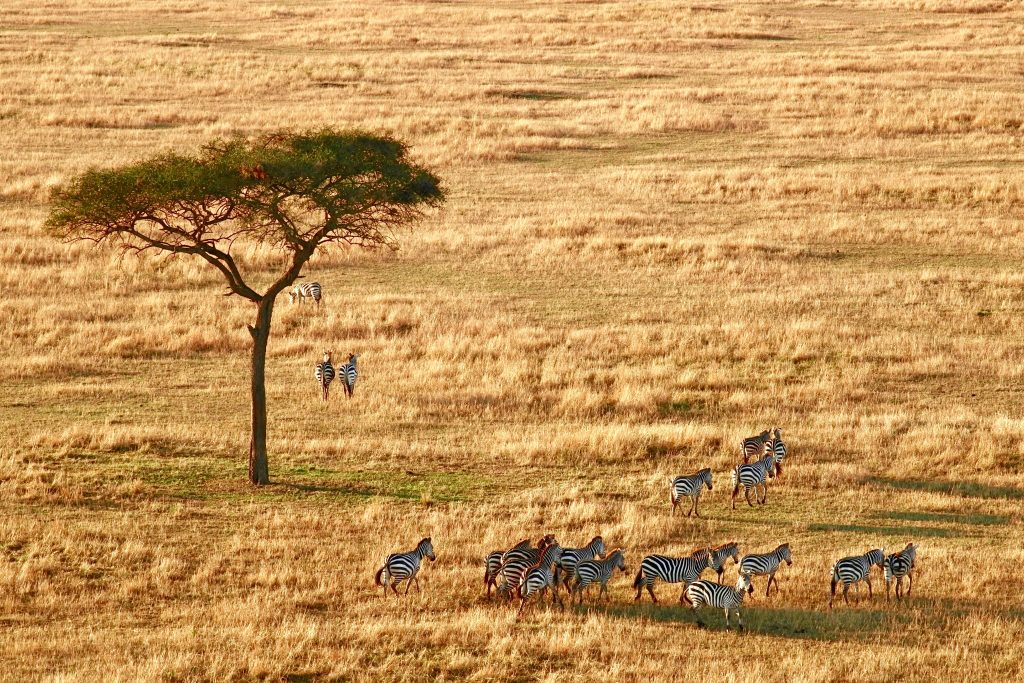
- It is home to 3,00,000 zebras, over 4,000 lions, 1,000 leopards, 500 cheetahs and over 500 bird species.
- Rare and endangered species of animals like wild dog, rhino, caracal and striped hyena.
- Large populations of the Big Five.
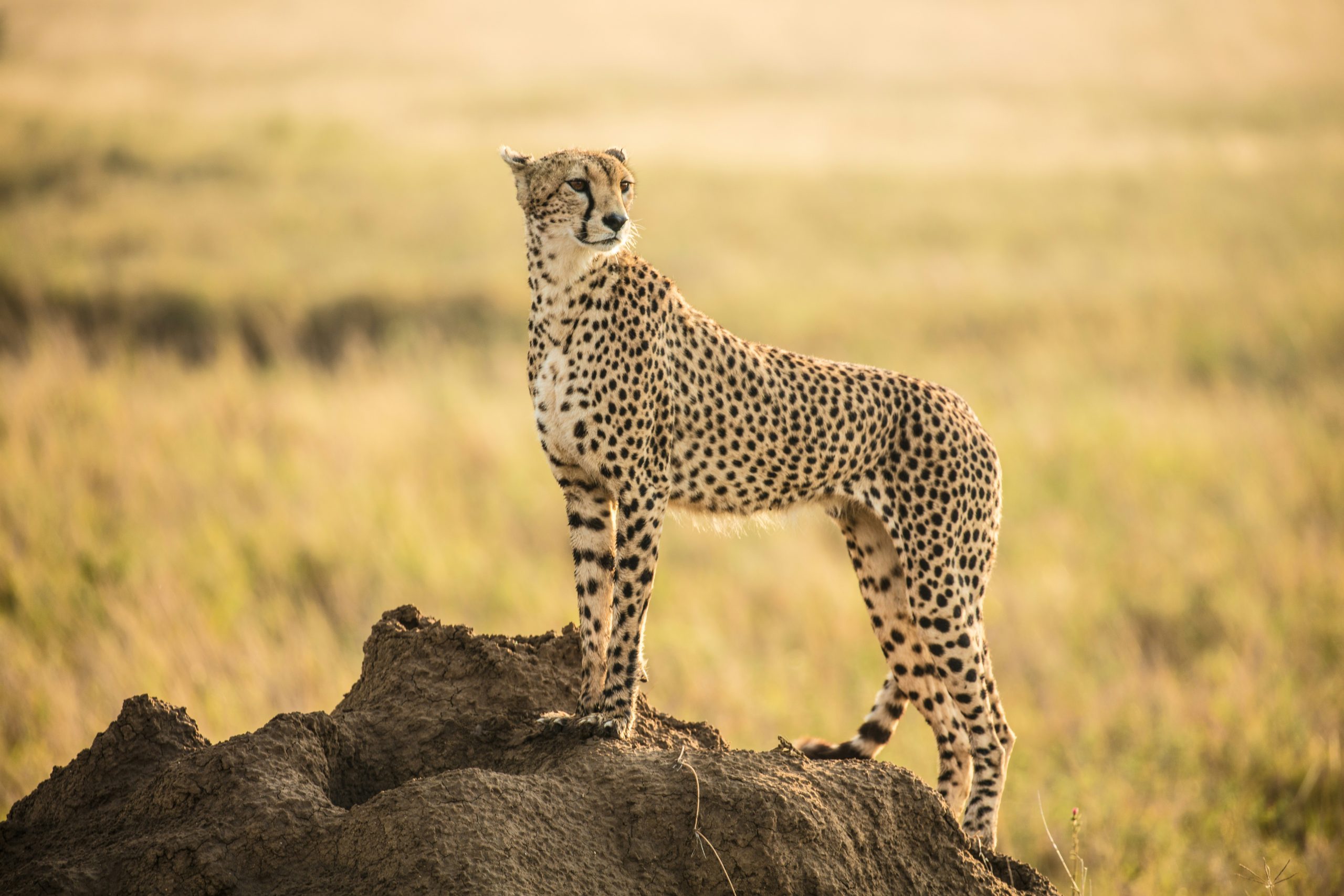
- High number of predators like, hyenas, cheetahs, African lions, leopards and wild dogs.
Best Time To Visit Serengeti National Park
The best time of visit can vary from person to person based on what experience they are looking for. However, the dry season between June – October is over all the most ideal time. Come let us break down the Serengeti weather to understand better.
Wildlife Viewing
- June to October (Dry Season) – This is the best time to spot animals due to animals coming out looking for food and water.
The Great Migration
- January to March (Calving season) – Chances of spotting are high as thousands of baby wildebeests are born daily.
- July to October (River Crossing) Plenty of migratory animals get on to the toughest part of the trek, the dangerous river crossing.
Travelling On A Budget
- April to May (Low Season) Due to heavy rains many roads become difficult to traverse, hence only a few tourists visit during this time. However, for people on budget, this is a great time to visit as everything from air tickets to accommodation are offered at low-season pricing.
How To Reach Serengeti National Park
By Air: Air travel is one of the most convenient and fastest ways to travel. Fly into Kilimanjaro International Airport (JRO) or Arusha Airport (ARK), which are the main gateway to northern Tanzania.
By Road: Road trips take time but it offers scenic views and additional wildlife experiences. Most common routes taken are the Arusha and Mwanza routes. Driving from Arusha takes about 8–10 hours safari drive via Ngorongoro Conservation Area.
National Park Entry Gates
Serengeti has four entry and exit gates. All gates are open between 6:00am to 6:00pm on all days. Please Note: Some of the gates accept entry only till 4:00pm, hence check before starting.
Naabi Hill Gate: This gate is located approximately 45 kms from Seronera and is the main gate, hence the busiest.
Ndabaka Gate: This gate provides access to the Western Corridor area and is 1.5 hrs drive from Mwanza and 145 kms from Seronera.
Klein’s Gate: This gate provides access to the far north-east of the Serengeti.
Bologonya Gate: This gate provides access from Kenya; however, the border is currently closed and unlikely to open soon.
Top Things To Do In Serengeti
Listed below are some of the top experiences you just cannot miss while on a Serengeti tour.
Witness The Great Migration: Many come to Serengeti National Park to witness the annual migration of 1.5 million wildebeest, zebras and gazelles through the Serengeti-Mara ecosystem. This is one of the greatest wildlife spectacles that one can ever see.
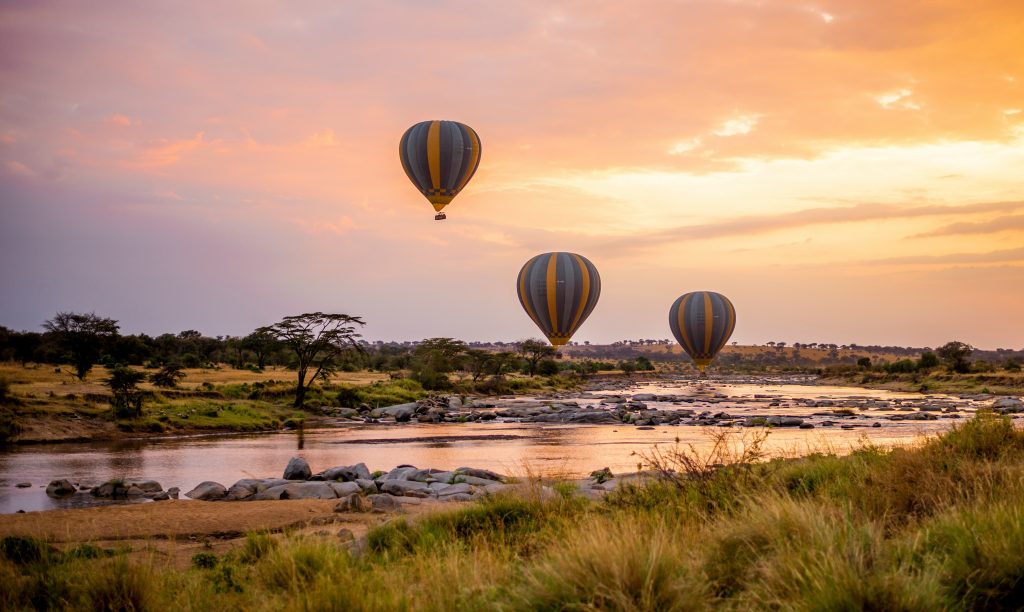
Go On A Hot Air Balloon Safari: Floating gently and silently over the treetops in a hot air balloon is one of the most popular activities that you can partake in Serengeti.
Book A Walking Safari: There are designated areas where you can carry out walking safaris under the guidance of experienced guides. The advantage of going on this walk is, you get to explore remote areas not usually visited by tourists.
Visit A Maasai Boma: There are many Maasai people living in the Serengeti ecosystem. Meeting them helps to learn their culture and understand how humans and wildlife have coexisted.
Go On A Photographic Safari: Whichever season it is,Serengeti provides something unique for photographers to capture. The colourful backdrop and the wild animals allow for some incredibly dramatic shots.
Types Of Safaris And How To Book
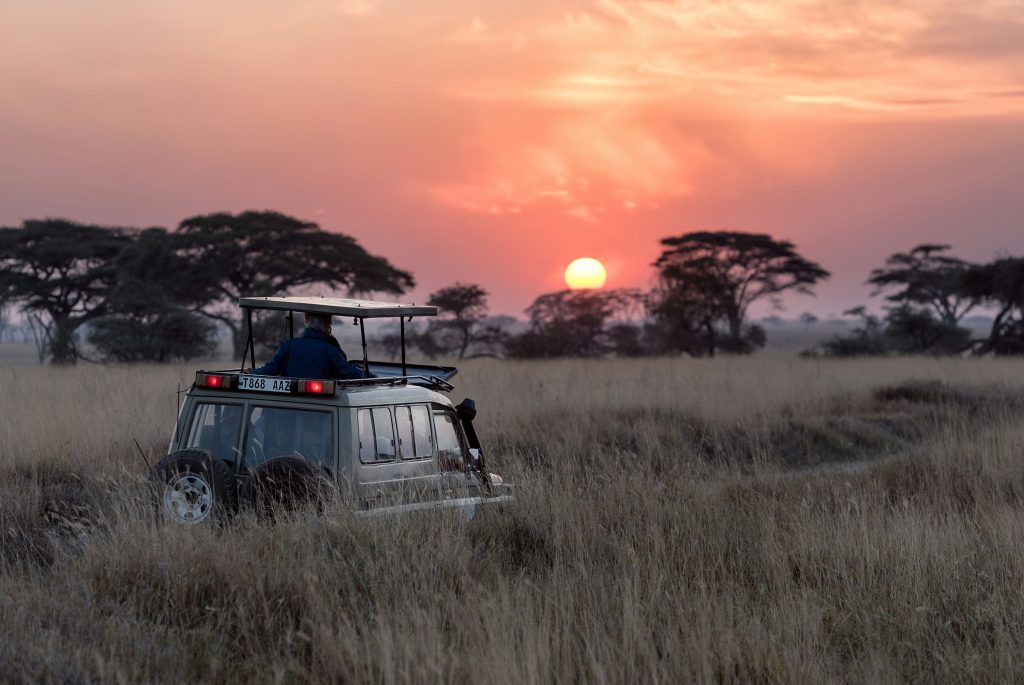
Before booking your safari, it is essential to understand the different types of safaris available. To make things easy, I have listed down the five different types of safaris to choose from:
Self-Drive Safari: As the name suggests, self-drive safaris require you to book and drive your own vehicle. It does cut down on the cost, but you will miss out on amazing animal spotting.
Walking Safari: Only a few safari lodges and tour operators have the permit to carry out guided walking safaris in remote areas. Some walks last for a few hours, while the others are multi-day hikes that involve backpacking and camping.
Night Game Drives: Sadly, night game drives are not allowed inside the Serengeti National Park but you can experience them outside the park and within the Serengeti ecosystem.
Horse Back Safari: Experiencing Serengeti on a horse back is one of the most exhilarating experiences ever. There are rides that cover multiple locations.
Photographic Safari: A photographic safari with specialized guides offers world-class opportunities to capture the vast landscapes and the wildlife in specialized vehicles. These vehicles have open roofs and spinning chairs that provide optimal shooting angles.
How To Book: Through the official website or through your tour operator.
Where To Stay In Serengeti
There are four different accommodation options to suit the budget and needs of all type of travellers.
Lodges & Hotels: From budget to luxury, there are a range of lodges & hotels to stay at in Serengeti. The luxurious ones come with top-tier amenities.
Tented Safari Camps: For nature lovers, this authentic stay close to nature is sure to give the best night’s sleep amidst the sound of nature.
Mobile Camps: This type of camps are set at different points along the migration route. It helps to follow the migration and for best sightings.
Basic Campsites: Here tents are basic, just enough for one to sleep. It is a great option for backpackers and budget travelers.
Essential Serengeti Travel Tips
– Make your bookings well in advance, especially during peak migration season.
– For river crossings, plan your visit between July and October.
– It is advisable to book guided Serengeti tours.
– Wear lightweight, breathable and comfortable fitting clothes.
– Comfortable closed lightweight walking shoes for your feet.
– Carry binoculars, sunscreen (high SPF), reusable water bottle, hat and sunglasses.
– Adhere to park regulations and follow all safety rules strictly.
Also Read: Touring Serengeti National Park – Kenya Or Tanzania?
Final Thoughts
If you are planning a trip to Serengeti National Park, make sure it is done right, for this journey into the wild is going to be a once-in-a-lifetime experience. With great planning and early bookings, you will be able to witness the Great Migration and the Big Five in a comfortable way. Do share your experience with us in the comment box below. We would love to hear from you!
FAQs
For a basic safari experience 3-4 days is good time and for a complete wildlife experience, one week is required.
Yes, fees are mandatory to enter Serengeti National Park. Non-resident adults pay around $70–$83 per day, while children between 5–15 pay $20–$24. These charges will be included in your tour package; hence you don’t have to pay them separately.
Both Serengeti and Maasai Mara are great for wildlife safaris. If you are looking for a more expansive and less crowded safari experience, Serengeti should be your pick. If you are a first-time visitor looking for a lower cost experience, Maasai Mara it is.
The national park is extremely safe for tourists as it has high prioritized government security.
Put on neutral-colored clothing with full sleeves and pants, carry binoculars, sunglasses, water bottle and cash.