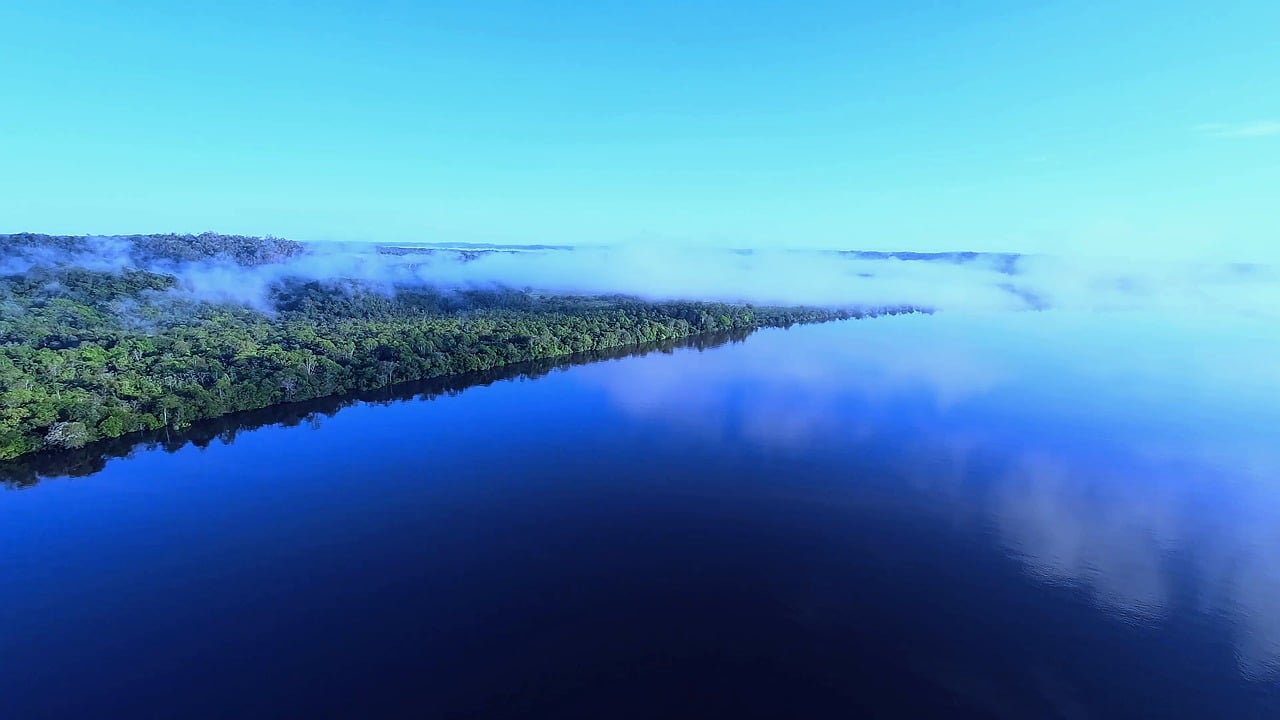

Karnataka, located in the heart of South India has hundreds of rivers with several tributaries. There are some significant ones that contribute a great deal to the life, culture, and landscape of the region. The rivers in Karnataka are spread around 300 km of coastline, carve their way through lush forests and hill stations, and finally merge into the ocean. These rivers originate mainly from the Western Ghats and the lush mountain ranges. Whether you’re a traveler looking for riverfront destinations in Karnataka or a river lover wanting to understand Karnataka’s river systems, this guide with the top 10 major rivers in Karnataka will tell you why they form the backbone of the state.
Table of Contents
Why Are The Rivers In Karnataka So Important
There are seven river systems in Karnataka, namely Kaveri, Krishna, Godavari, Palar, South Pennar, North Pennar, and west-flowing rivers. These major rivers of Karnataka are not just a source of water for drinking and household purposes but they are also integral to agriculture, a source of hydro-power and used for transportation in certain areas. In some instances, they are also vital for the tourism industry and help in shaping the biodiversity of the state.
Top 10 Major Rivers In Karnataka
1. Kaveri: Why Is It Called The Ganges Of The South?

Situated in the district of Coorg, the Kaveri River or Cauvery is the largest river in Karnataka. Known to devout Hindus as Dakshina Ganga (the Ganges of the South), it is considered holy and sacred. The origin of the river is a famous pilgrimage spot called Talakaveri which is nestled amidst the Brahmagiri Hills in Coorg. With a rocky bed and high banks under luxuriant vegetation, the river is also important for its irrigation canal projects. It is considered the lifeline of the state.
Key Features Of The Kaveri River
– River Kaveri originates at an elevation of 1341 meters and flows southeast through the Deccan Plateau.
– It is considered a sacred river, and often called the “Ganges of the South.”
– The river supports agriculture, irrigation and is used for hydroelectric power generation.
2. Kabini: Where Can You See The Largest Elephant Gatherings?

Originating at Wayanad in Kerala, the river Kabini is a tributary of Kaveri that flows eastward to join Kaveri at Tirumakudal Narsipur in Karnataka. Also called Kabani and Kapila, this river in Karnataka is situated at a distance of 220 km from Bangalore and 80 km from Mysore. It’s known for exhibiting one of the world’s largest congregations of Asiatic wild elephants; most of the elephants of the surrounding forests converge at Kabini during summer. The backwaters of the Kabini Reservoir formed by the river are rich in wildlife. Kabini is a great vacation destination for tourists to pitch their camps on its banks and enjoy lush greenery.
Key Features Of The Kabini River
– River Kabini is a significant water source for the diverse wildlife of the renowned Nagarhole National Park.
– The river is vital for irrigation and for hydroelectric power generation.
– Offers activities like boat safaris and wildlife viewing for tourists.
3. Hemavathi: Why Is It Popular Among Adventure Seekers?
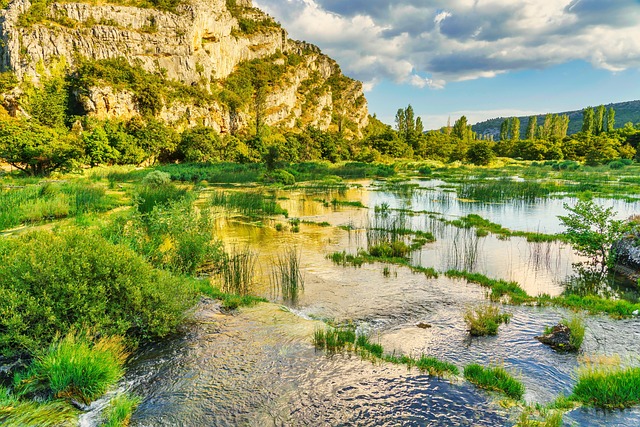
Originating from the Ballala Rayana Durga in the Chikmagalur district, Hemavati is one of the main tributaries of the Kaveri River. It flows through Chikkamagalur, Hassan, and Mandya before joining the river Kaveri near Krishnarajasagar. Adding to the beauty of the Western Ghats, this is one of the main rivers in Karnataka that flows through a distance of 245 km. A number of resorts have developed near the river offering a variety of adventure activities such as banana boat rides, boating, swimming, and kayaking for adventure enthusiasts.
Key Features Of The Hemavathi River
– A major masonry dam, called the Hemavati Dam, is built across the river near Gorur village in Hassan district.
– The Yagachi River in Hassan district is its main tributary.
– Water from the reservoir is vital for irrigating vast agricultural lands in districts of Mandya, Hassan, and Tumkur.
Also Read: Top 12 Unexplored Places In Karnataka
4. Krishna: What Makes It The Longest River In Karnataka?

River Krishan is the second longest river in peninsular India, and the longest river in Karnataka. Formerly known as Kistna, this river originates in Maharashtra and passes through Karnataka. With a total course of about 800 miles (1,290 km), this river in Karnataka flows east to Wai in Maharashtra and then in a south-eastern direction past Sangli to the border of Karnataka state. The Krishna River has a large and highly fertile delta which provides water for irrigation in drought-prone areas in northern Karnataka.
Key Features Of The Krishna River
– It supports projects like the Upper Krishna Project to provide water to districts like Bagalkot, Kalburgi, Vijayapura, Yadgir, and Raichur.
– Almatti Dam and Narayanpur Dam are built across the Krishna River in Karnataka to provide irrigation, hydroelectric power, and flood management.
– Kudalasangama, an important pilgrimage site is located where the Krishna River meets the Malaprabha River.
5. Tungabhadra: What Are The History And Myth Attached To This River?

Tungabhadra is considered to be a sacred river and is a chief tributary of Krishna formed in Shimoga by the union of the Tunga and Bhadra rivers. Flowing east across the Deccan Plateau, the river joins the Krishna River in Andhra Pradesh. Having the advantage of a river, a host of irrigation canals and aqueducts were constructed during the reign of the Vijayanagara kings. Playing a major role in forming the religious and political history of Hampi, the river, along with the hills, had formed the northern barrier of the capital. This river in Karnataka is also considered to have the sweetest water in the world.
Key Features Of The Tungabhadra River
– River Tungabhadra was formed by the union of Tunga and Bhadra rivers at Koodli in Shimoga district.
– The ancient city of Hampi is located on the banks of Tungabhadra River.
– The famous Virupaksha Temple is situated along its banks.
6. North Penneru: Why Is It Considered A Seasonal River?
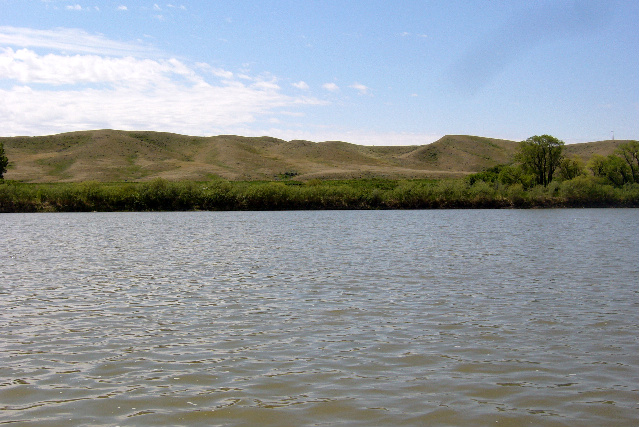
Rising through the Nandi Hills in the Chikkaballapur District of Karnataka, the North Penneru River or the Uttara Pinakini has a total length of about 560 km. Also called Penner River or Northern Penner River, the upper basin of this river in Karnataka was formerly covered by xeric shrublands, tropical dry forests, and thorn forests. Due to clearance for grazing and overharvesting the forests for firewood and timber, most of the dry tropical forest has disappeared and been replaced by thorny shrublands.
Key Features Of The North Penneru River
– As the river is seasonal, it becomes a thin stream during dry periods and a torrent after the rains.
– It flows for about 61 kilometres within Karnataka and drains into the Bay of Bengal near Utukuru in Andhra Pradesh.
– Two main reservoirs Jakkalamadugu and Srinivasa Sagar dams are on the North Penneru River.
7. Sharavathi: Where Can You See Jog Falls?

Originating at Ambuthirtha in Thirthahalli Taluk, the Sharavathi River is one of the few westward flowing rivers that flows north-west through the Western Ghats. Taking a spectacular leap at a height of 292 meters, it forms the famous Jog Falls before joining the Arabian Sea at Honnavar. Rich in biodiversity, this river in Karnataka is home to many rare species of flora and fauna. Its 128 km (80 miles) length of the river offer many exotic sightings and is also used for water sports like kayaking, windsurfing, and canoeing.
Key Features Of The Sharavathi River
– The Sharavathi River has been used extensively to generate hydroelectricity.
– It is believed that this is where the Hindu god Rama broke a bow to win the hand of Sita.
8. Kalinadi: Why Is It Called The Lifeline Of Karwar?

Originating from Diggi village in the Western Ghats, the river Kalinadi is a river flowing through the Uttara Kannada district. A lifeline to around 4 lakh people, this river in Karnataka supports the livelihoods of fishermen living on the coast of Karwar. For the generation of electricity, there are many dams such as Supa Dam built across this river. Located by the coastal highway Kali river bridge, the Sadashivgad Fort is a popular tourist destination that has been built above the confluence of the river.
Key Features Of The Kalinadi River
– The total length of the river is approximately 184 kilometres.
– The river runs through the Kali Tiger Reserve, a significant wildlife sanctuary which is rich in biodiversity.
9. Gangavalli: What Is the Story Behind Its Divine Name?
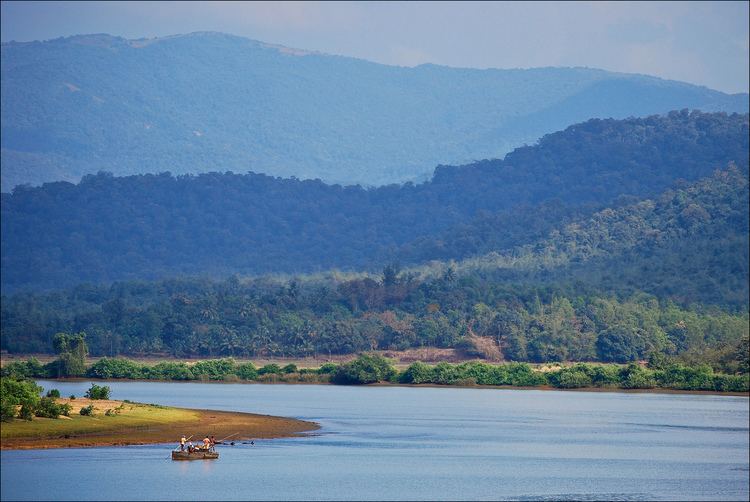
Flowing entirely within the western part of the state of Karnataka, the Gangavalli River is a small river that originates in the Western Ghats, south of Dharwad. Embracing the name Gangavalli from the goddess Ganga, the village in this area is also called the same name. Also known as Bedthi River, it has dense evergreen forests along its path. Flowing for a distance of nearly 161 km, this river in Karnataka falls from a height of 180 meters at Manjuguni-Ankola on its course towards the Arabian Sea.
Key Features Of The Gangavalli River
– The river flows through Uttara Kannada, Dharwad, and Haveri.
– The total length of the river is 152 km with a catchment area of 3,574 sq. km. – River Gangavalli runs through deep gorges and dense evergreen forests.
10. Aghanashini: Why Is It Called The Destroyer Of Sins?
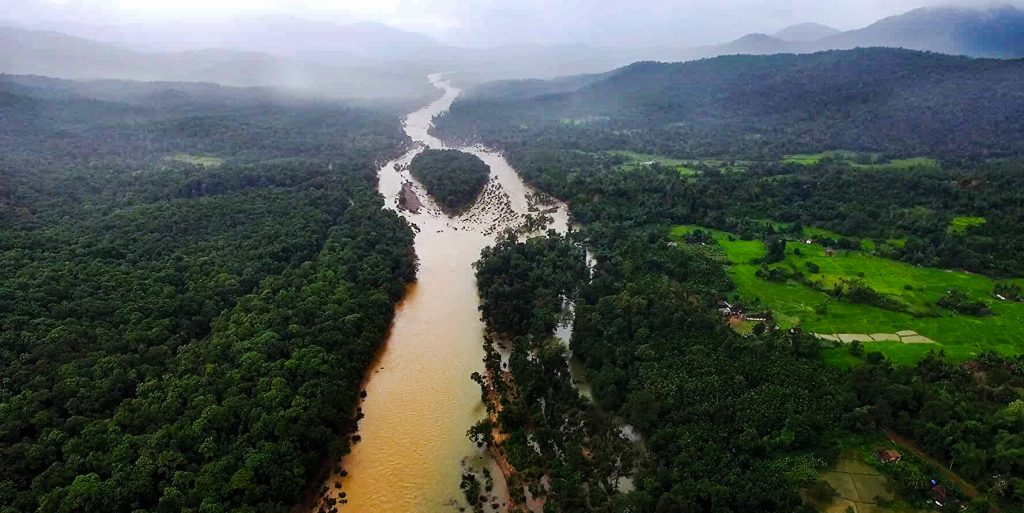
Originating in the Western Ghats of Uttara Kannada district, the river Aghanashini flows westward towards and meets the Arabian Sea at its namesake village. Situated in Sirsi town, the birthplace of the Aghanashini River is called Shankara Honda. Due to the absence of dams, its course remains unchanged. Often called the lifeline of Kumta, this river in Karnataka is the source of livelihood for the fishermen who live along the river banks. Aghanashini translates to Destroyer of Sins and is believed to have pure water that nurtures the life of living beings along its path when left flowing free.
Key Features Of The Aghanashini River
– The river and its estuary are home to diverse wildlife, bird species and marine life.
– The popular Unchalli waterfall is located near the river.
– It is one of the few remaining free-flowing rivers in the world.
Why Protect The Rivers In Karnataka
Major rivers of Karnataka play a huge role in the life cycle of the planet, as they transport drinkable water and provide nutrient-rich soil for agriculture. Vital for a vibrant ecosystem for many species, rivers also account for some of the richest biodiversity in the world. Many people depend on Karnataka Rivers for their livelihood and way of life. Therefore, it is our duty to take precautions and encourage others to protect these water bodies. While visiting these rivers in Karnataka state, pick appropriate clothes and travel responsibly.
What Steps To Take To Protect The Rivers of Karnataka
For a sustainable future it is very important to follow the below mentioned points and start saving the rivers at home.
– Use biodegradable products, as a lot of harmful chemicals in non-biodegradable products end up back in the rivers.
– Volunteer for clean-ups in your community which will ultimately eradicate water pollution.
– Educate others to help them understand the importance and value of our freshwater bodies.
– Do not litter near riverbanks, be a responsible traveler.
Also Read: The most beautiful waterfalls in Karnataka to visit
Final Words
It goes without saying that clean and fresh water is essential for humans to survive. From the sacred Kaveri River in Coorg to the powerful Krishna River in North Karnataka, it is our duty to ensure that the rivers in Karnataka continue to flow strongly. So next time you visit Karnataka’s rivers try and instill these tips. These small measures we take will collectively and positively improve the health of our rivers!
FAQs On Important Rivers Of Karnataka
River Kaveri is the most sacred river to the people of not just Karnataka but also to all the people of southern India. People worship it as Goddess Kaveri Amma (Mother Cauvery) and is also considered one among the seven holy rivers of India.
The Tungabhadra Dam, also known as Pampa Sagar is the biggest dam in Karnataka. This dam is constructed across the Tungabhadra River which is 5 km away from Hospet town.
Rivers are important for tourism as it creates scenic landscapes, beautiful waterfalls, and an environment rich in wildlife. They also offer unique recreational opportunities and adventure activities like white-water rafting, kayaking, river cruises and river treks that attract both nature lovers and adventure seekers.

Hey! I simply wish to give a huge thumbs up for the good info you will have here on this post. I shall be coming back to your blog for more soon.
Thank you pertaining to giving this excellent content on your web-site. I discovered it on google. I may check back again if you publish extra aricles.