Experience Travel Differently
From bustling cities to remote villages, pristine beaches to towering mountains, and historical landmarks to off-the-beaten-path gems, our travel blogs offer valuable tips and recommendations to fellow travelers.
Latest Travelogues
Embrace the spirit of wanderlust and unveil the world's wonders with our latest travel blogs.

Bangalore, the bustling capital city of Karnataka, is not just an IT hub, it is also a keystone to several interesting tourist destinations. Whether you’re looking for a 1-day escape, a 2-day trip, or a weekend getaway, there are plenty of tourist places near Bangalore within 300 kms to choose from. A visit to these destinations is a wonderful amalgamation of nature, adventure, culture and relaxation. From misty hill stations like Coorg, Ooty and Coonoor to thrilling treks like Kumara Parvatha and Chembra Peak, from wildlife safaris in Bandipur to Nagarhole National Park, these destinations are perfect for every kind of traveller. Overview Of The Best Places Near Bangalore Within 300 kms Sl. NoPlaceDistance From BangaloreTravel TimeType1Mullayanagiri Peak265 km5–6 hrsHill Station2Chembra Peak300 km7 hrsTrekking3Wayanad277 km6–7 hrsNature Getaway4Bhadra Wildlife Sanctuary283 km6 hrsWildlife Getaway5Sakleshpur221 km4–5 hrsNature Getaway6Nagarhole National Park201 km5 hrsWildlife Getaway7Ooty270 km6–7 hrsHill Station8Coorg250 km5–6 hrsHill Station9Coonoor290 km7 hrsHill Station10Tirupati277 km5–6 hrsSpiritual Trip11Belur219 km4–5 hrsCultural Destination12Bandipur National Park224 km5 hrsWildlife Getaway13Kumara Parvatha273 km6 hrsTrekking What Are The Best Places To Visit Near Bangalore Within 300 Kms We have curated a list of thirteen top tourist places near Bangalore within 300 kms for you to enjoy. This guide includes travel time, duration, and highlights to help you plan better. Best Hill Stations Near Bangalore Within 300 Kms 1. Ooty – Queen Of The Hills A little town (Ooty) in the breathtaking Nilgiri Hills of Tamil Nadu. Ooty, which is fondly called the “Queen of Hill Stations”, is a little town located in the breathtaking Nilgiri Hills of Tamil Nadu. Owing to its pleasant climate, diversified tea plantations, and magnificent sceneries, Ooty is a great destination for domestic and international visitors. Distance From Bangalore: 270 kms Best Time To Visit: October to May Duration Of Stay: 2–3 days Highlights: Ooty Lake, Botanical Gardens, Doddabetta Peak, toy train trip Best For: Couples, Family 2. Coorg - Scotland Of India Coorg is one among the most beautiful hill stations in India. Tucked away in the massive expanse of green woods in Western Karnataka is Coorg, one of the most beautiful hill stations in India. It is famous for its spectacular beauty and unique culture. Coorg is without a doubt one of the most preferred tourist places from Bangalore within 300 kms. Distance From Bangalore: 250 kms Best Time To Visit: October to May Duration Of Stay: 2–3 days Highlights: Coffee and spice plantations, spectacular waterfalls, Nagarhole National Park Best For: Couples, Family 3. Coonoor - Jewel Of The Nilgiris Beautiful scenery of valleys and tea plantations in Coonoor. Coonoor is located in the hills of Nilgiri in the southern state of Tamil Nadu. It is a quiet place with a beautiful scenery of valleys and tea plantations. The town, famous for its peaceful atmosphere and low temperatures, serves as a wonderful retreat for nature lovers. Distance From Bangalore: 290 kms Best Time To Visit: October to March Duration Of Stay: 2 days Highlights: Tea estate, Sim’s Park, Catherine Falls, Lamb’s Rock and Dolphin’s Nose. Best For: Couples, Family 4. Mullayanagiri Peak - Highest Peak In Karnataka Picturesque Mullayanagiri in Chikmagalur district of Karnataka. Sitting amidst the picturesque Chikmagalur district of Karnataka, Mullayanagiri Peak is rightly known as the highest peak in the state and is one of the most preferred places to visit near Bangalore. The place is about 1,930 meters above sea level, providing stunning views from above. Distance From Bangalore: 265 kms Best Time To Visit: September to May Duration Of Stay: 2 days Highlights: Stunning views of the green forests, breathtaking waterfalls and nature photography. Best For: Couples, Family Best Nature Getaways Near Bangalore Within 300 Kms 5. Wayanad - Plantation District Of Kerala Coffee plantations and mist-laden mountains of Wayanad. Wayanad is a charming destination, highly celebrated for its green scenic view and cultural heritage. Located amongst verdant foliage of tea, and coffee plantations and mist-laden mountains, it brings a quiet and soothing environment. Distance From Bangalore: 277 kms Best Time To Visit: Throughout the year Duration Of Stay: 2–3 days Highlights: Spice plantations, waterfalls, Tholpetty Wildlife Sanctuary and Muthanga Wildlife Sanctuary. Best For: Couples, Family 6. Sakleshpur - Switzerland Of Karnataka Breathtaking hills in the Western Ghats of southwestern Karnataka. Sakleshpur situated in the Western Ghats of southwestern Karnataka is one of the most breathtaking hills near Bangalore. The good climate, soothing atmosphere, and abundance of flowers and animals make Sakleshpur an ideal spot of relaxation for nature lovers. Distance From Bangalore: 221 kms Best Time To Visit: November to February Duration Of Stay: 2 days Highlights: Stunning natural beauty, sprawling coffee plantations, great trekking routes, cascading waterfalls and adrenaline-pumping activities. Best For: Couples, Family, Solo Travellers Best Wildlife Getaways Near Bangalore Within 300 Kms 7. Nagarhole National Park – Nature Lover’s Delight Wildlife within the wild. Nagarhole National Park, also known as Rajiv Gandhi National Park, is a prominent wildlife sanctuary located in the Kodagu district of Karnataka. Secluded amid the scenic Western Ghats, it is a favorite spot for wildlife enthusiasts and nature lovers alike. Distance From Bangalore: 201 kms Best Time To Visit: October to May Duration Of Stay: 2–3 days Highlights: Diverse wildlife, boat safaris on the river Kabini, wildlife photography and bird watching. Best For: Family, Solo Travellers, Adventure Enthusiast 8. Bandipur National Park - Renowned Tiger Reserve Peacock, India's National bird. Bandipur National Park stands out to be a unique destination for eco-tourism in India. This beautiful national park is located in Karnataka and is one of the best tourist places near Bangalore within 300 kms. It is the oldest and most widely recognized national park in India, having a revealing area of about 874 square kilometers. It is a part of the Nilgiri Biosphere Reserve, which is one of the 18 biosphere reserves of the country and is also a UNESCO world heritage site. Distance From Bangalore: 224 kms Best Time To Visit: October to February Duration Of Stay: 2 days Highlights: Wildlife safaris, bird watching, hiking, variety of flora and fauna. Best For: Family, Solo Travellers, Adventure Enthusiast Book Now: Day Trip to Bandipur National Park & Tiger Reserve 9. Bhadra Wildlife Sanctuary – Into The Wild The Sanctuary has thick forests, mighty waterfalls, and peaceful lakes. The Bhadra Wildlife Sanctuary, an untouched area of Karnataka’s Chikmagalur district, is a haven for animal and nature lovers alike. The 492 square kilometres in area is home to a range of plants and animals. It is also a designated Project Tiger reserve area. The sanctuary has a great diversity of ecosystems with thick forests, mighty waterfalls, and peaceful lakes. Distance From Bangalore: 283 kms Best Time To Visit: December to February Duration Of Stay: 2 days Highlights: Safari rides, bird watching, and nature hikes. Best For: Family, Solo Travellers, Adventure Enthusiast Best Trekking Places Near Bangalore Within 300 Kms 10. Kumara Parvatha - King Of Treks Scenic trekking track of Kumara Parvatha. Kumara Parvatha, locally known as Pushpagiri is situated in Coorg district of Karnataka. It is an amazing trekking destination and the second-highest peak in Karnataka which is at an elevation of 1,712 meters. Kumara Parvatha trekking is not for the faint-hearted. However, the stunning view of the landscape and trails with beautiful sceneries make the trek worthwhile. Distance From Bangalore: 273 kms Best Time To Visit: October to February Duration Of Stay: 2 days Highlights: Views ofthe surrounding valleys, mountains, and the town situated nearby at the distance. Best For: Solo Travellers, Adventure Enthusiast 11. Chembra Peak - Home To Heart-Shaped Lake Panoramic destination of Wayanad in Kerala. Nestled in the panoramic destination of Wayanad in Kerala, Chembra Peak is a panacea for people who love adventure and nature. Among the most incredible features of this journey is the Hridaya Saras (or heart-shaped lake). The panoramic views from the top of Chembra Peak extend across the Wayanad region and the adjoining Western Ghats are worth your hiking to the peak. Distance From Bangalore: 300 kms Best Time To Visit: December to February Duration Of Stay: 2 days Highlights: Green tea plantations, diversified forests and camping under the illuminated sky. Best For: Solo Travellers, Adventure Enthusiast Suggested Reads: Take A Calming Break At Some Of The Best Resorts In Wayanad Spiritual & Cultural Places Near Bangalore Within 300 Kms 12. Tirupati - Abode Of Lord Venkateswara The place Tirupati is dedicated to Lord Venkateswara. Tirupati, the pilgrim town in the southern state of Andhra Pradesh, is a historical temple complex of Sri Venkateswara Temple. It has the most famous temple in India dedicated to Lord Venkateswara who is the incarnation of Lord Vishnu. Millions of devotees come to offer prayers and to seek the blessings of the Lord. Distance From Bangalore: 277 kms Best Time To Visit: November to February Duration Of Stay: 1–2 days Highlights: Silathoranam (a natural rock formation), spiritual practices and breathtaking architecture. Best For: Family 13. Belur - Land Of The Chennakeshava Temple Splendid sculptures and carvings of divine, celestial beings, Gods, and musical instruments in Beluru. Belur, which is a small town in the Hassan district of Karnataka, is an important place, as it preserves the most beautiful monuments of Hoysala architecture. The temple in Belur, dedicated to Lord Vishnu, is the main attraction here. It is embellished with splendid sculptures and carvings of divine, celestial beings, Gods, and musical instruments. Distance From Bangalore: 219 kms Best Time To Visit: October to April Duration Of Stay: 1–2 days Highlights: Stunning architectural designs, Veera Narayana temple and Kappe Chennigaraya temple. Best For: Family Top Picks Based On Travel Style Best for Couples: Coorg, Ooty Best for Trekking: Kumara Parvatha Best for Wildlife: Bandipur & Nagarhole Best for 1-Day Trip: Belur Best for Relaxation: Wayanad, Sakleshpur Also Read: Magnificent Tourist Places Near Bangalore Within 200 kms Conclusion From the marvellous Sakleshpur and Coorg to the wildlife reserve of Nagarhole, from the tranquility and greenery of Ooty and Coonoor to the lush tea estates of Wayanad and Chembra Peak, all give a great escape for nature admirers. The spirituality of Tirupati and the architectural feats of Belur create a rich blend of divinity and history for the list. Whether you choose to go for an adventurous, calming, or spiritual experience, the many places near Bangalore within 300 kms are worthy of a visit. Pack your bags, pick your route, as it’s time to hit the road with these breathtaking locations! FAQs What are the best night treks near Bangalore? Savandurga, Kabbal Durga, Skandagiri, Makalidurga, Anthargange, Ramanagara, Channagiri, Madhugiri, Bilikal Rangaswamy Betta, and Brahmagiri are good for night treks near Bangalore. What is the weather like in Bangalore? Bangalore’s climate type is the tropical savanna climate with two wet and dry seasons. Being very high up, Bangalore normally has a much more tolerable climate most of the time, however, extremely warm periods can make summer very difficult sometimes. Which hill station is near to Bangalore? Nandi Hills, Savandurga, Antargange, Skandagiri, Makalidurga, Ramangara, Narayanagiri, Madhugiri, Rangaswamy Betta, etc., are some of the hill station places near Bangalore. Which are the best budget trips near Bangalore? Mysore, Yercaud, and Mullayanagiri are affordable options near Bangalore City. What are the best road trips from Bangalore? Some of the most popular road trip routes from Bangalore are Nandi Hills (63 Kms), Mysore (145 Kms), and Chikmagalur (285 Kms).
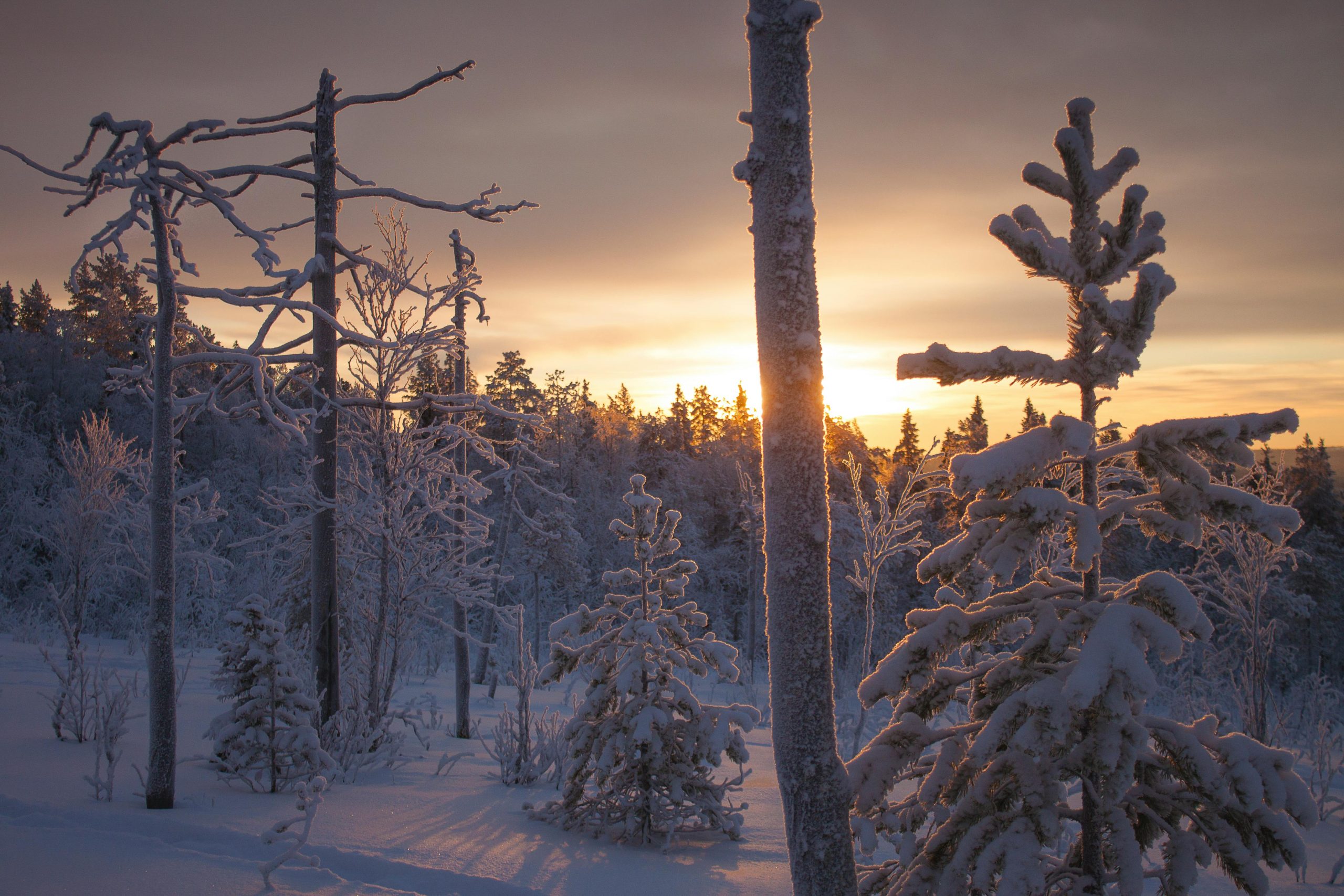
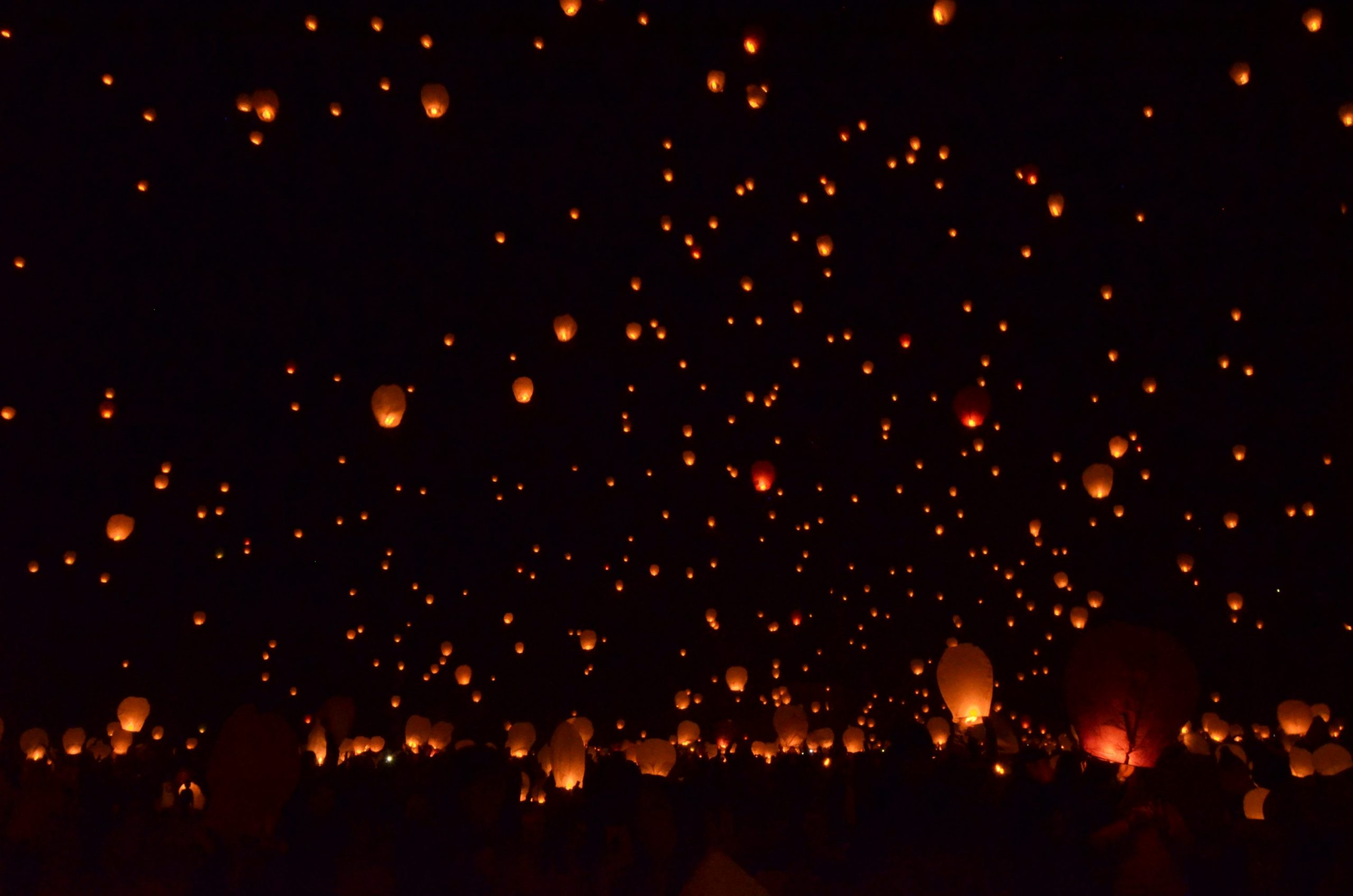
Lapland is a magical region in northern Finland near the Arctic Circle. It is best known for the two surreal natural phenomena; the Northern Lights and the Midnight Sun. This enchanting destination is also known as the “home of Santa Claus.” Its surreal landscapes, natural wonders, untamed wilderness, and indigenous Sami culture combine together to create an unforgettable experience. Whether you’re an adventurer seeker or nature lover, this ultimate guide to Lapland will help explore the best of everything the region has to offer. Santa Claus and the Little Elves in Rovaniemi Lapland, Finland. Quick Overview Of Lapland LocationNorthern Finland (Arctic Circle)Main AirportRovaniemiBest Time For Lapland Northern Lights TourSeptember – MarchIdeal Duration Of Visit4-7 daysBest Known ForNorthern Lights, extensive winter sports and the indigenous Sámi culture.Coldest Temperature−30°CSuitable ForFamilies, friends, adventure seekers Where Is Lapland Located Lapland is not a country; it is a magical region located around the Arctic Circle. It lies in the northernmost part of Europe, covering parts of northern Finland, northern Sweden, northern Norway, and Kola Peninsula of Russia. The most famous part of Lapland is in Finland with it covering nearly one-third of Finland’s land area. Hence Lapland is mostly associated with Finland. Why Visit Lapland The very fact that one can witness two natural phenomena (Northern Lights and Midnight Sun) make it a top destination. Despite its size, the place is sparsely populated, making it a perfect place for a peaceful solitude. Be it summer or winter, its pristine natural beauty, magical Arctic experiences and unique cultural immersion make it a hit among travelers. Lapland in winter will not disappoint, it offers unique experiences like igloos and ice saunas. Northern Lights - the surreal natural phenomena. When Is The Best Time To Visit Lapland Each season brings out a different side of Lapland. So, here’s a season-by-season breakdown of how the weather looks like. Spring (April – May): With the weather becoming milder, snow slowly starts melting during this time. All winter activities slowly start closing up and hence the place starts to get less crowded. Summer (June – August): Weather in Lapland in summer gets comfortable, making it the ideal time for outdoor activities like exploring, hiking, fishing, and canoeing. During this time the sun doesn’t set for a few months. Ideal time for witnessing the midnight sun. Autumn (September – November): Everything around turns into stunning shades of gold, red and orange. This is also one of the best times to witness the Lapland Northern Lights. Winter (December – March): Best time to visit as all winter activities like husky sledding, skiing, snowmobiling, and reindeer sleigh rides opens to its visitors. It is the most popular time to visit as the whole place transforms into a magical wonderland. How To Get To Lapland Getting to Finnish Lapland is easy as the place is well connected from Helsinki and other major European cities. By Air: Major airports like Rovaniemi (RVN), Kittilä (KTT), and Ivalo (IVL) in Lapland have flights coming in on regular intervals. Taking a flight to Helsinki and then taking a domestic flight to Lapland is the best option. By Train: For those who want to make the most of the trip can opt for an overnight train ride from Helsinki to Rovaniemi as the journey is truly scenic. By Road: Hiring a car and driving through remote villages with exceptional landscape is one of the best options. Here you also get the flexibility to explore at your own pace. Blanket of snow all over during peak winter. Top Places To Visit In Lapland Rovaniemi - It is the official capital of Lapland and the hometown of Santa Claus. This is an all-season destination that has culture, history, adventure, and festive magic, all in one place. Levi – This place is known for its extensive winter sports facilities. People come here to enjoy skiing, husky sledding, snowmobiling on world-class slopes against a backdrop of natural beauty. Saariselkä – This place is a resort village famous for its glass igloos from where one can see the Lapland Northern Lights clearly just by sleeping under it. The village also serves as the gateway to Urho Kekkonen National Park. Inari – Inari is a Finnish municipality town and is also the capital of Sámi culture. It is a prime destination for outdoor activities and the Siida museum gives more insight into the Sámi people and their traditions. Pyhä-Luosto National Park – This is the land of ancient forests with scenic trails. It is excellent for skiing and other adventure activities. Ylläs – Finland's largest ski resort with some of the longest slopes is here in Ylläs. It is a great place to spend your winter holidays enjoying the pristine natural landscape and extensive winter activities. Korouoma Canyon – This place is known for its spectacular nature reserve and numerous frozen waterfalls. The whole place transforms into a winter wonderland during winter time. Kilpisjärvi – A greatplace foraurora hunting as this place is away from the hustle and bustle of city life. Stunning arctic scenery, beautiful lakes and many outdoor activities make this place a hit among all. Mesmerizing views of Lapland winter park. What Are The Best Things To Do In Lapland Finland Chasing The Northern Lights – Chasing the Northern Lights is one of the top reasons travelers visit Lapland. To increase your chances of witnessing this natural phenomena, late August to early April is the best time. During peak winters, the chances of seeing are 60–80%. Skiing And Snowboarding – Lapland is known for its several ski resorts and skiing slopes that have slopes for people with different skill levels. Meet Santa Claus - Just outside Lapland Rovaniemi is the Santa Claus Village where you can meet Santa. Sending postcards from Santa’s official post office is something that will be enjoyed by all. Book A Cultural Tour – To understand Lapland’s heritage and the livelihood of the indigenous Sami people, booking a cultural tour is the best option. Stay Overnight In A Glass Igloo - Spending a night in a cozy glass igloo gives a totally different experience. These igloos will cost anywhere between €300–€800 per night. Seeing the auroras from the warmth of your bed is an experience to cherish for a lifetime. Explore The National Parks – When national parks like Urho Kekkonen National Park, Pyhä-Luosto, and Lemmenjoki are located here in Lapland, how can one leave the place without exploring them. Take A Husky Safari And Reindeer Sleigh Rides – Riding with the husky team and Reindeer allows one to see the place in a different light. You also get to interact with these animals. Embark On An Icebreaker Cruise Tour – Cruising through the ice-cold waters of the Arctic Ocean is an adventure in itself. This tour also allows one to walk on the frozen sea ice and to float in the icy waters. Mother and kid enjoying the extreme winter. Also Read: 26 Amazing Christmas Destinations To Visit Conclusion Lapland is a year-round destination, be it summer or winter, each season offers different magic that only few destinations in the world can match. From chasing the Northern Lights to experiencing the midnight sun, from exploring Arctic wilderness to meeting Santa Claus, the magic of Lapland is sure to transport you to another world. It’s a destination that combines natural wonders and once-in-a-lifetime experiences; hence Lapland definitely needs to be on top of your travel bucket list. FAQs How cold does it get in Lapland? Temperatures can drop to as low as -30°C during the peak winters. With January and February being the coldest months, it also happens to be the best months for skiing. What should I pack for a trip to Lapland? To stay warm in the cold Arctic conditions, make sure to pack thermal layers, waterproof outerwear, woolen clothing, gloves, and insulated snow boots. Do carry your gadgets, sunglasses, and a moisturizing lip balm to make your Lapland trip comfortable. Where can I meet Santa Claus in Lapland? Lapland Santa Claus holiday village in Rovaniemi is where you can meet Santa Claus. This experience is going to be truly unique and we bet the kids are going to love it. Are husky and reindeer safaris ethical in Lapland? Both huskies and reindeers are naturally inclined to running and pulling. However, check for tour operators who provide ethical tours so that they are not forced to pull heavy loads for excessive distances. What are the different festivals and events in Lapland? Some of the top events and festivals to look out for are Rovaniemi Christmas Celebrations, Reindeer Racing Events, Midnight Sun Film Festival, Sámi Easter art and music Festival. How many days do you need to visit Lapland? For a fast-paced trip, 3 to 4 days is a good time and for people who wish to experience multiple activities, 4 to 7 days is considered ideal. Is Lapland expensive to visit? Yes, Lapland is considered an expensive travel destination. However, with proper planning and visits during shoulder months can bring down the cost drastically. Is Lapland Worth Visiting? Yes, Lapland is absolutely worth visiting for people looking for once in a lifetime experiences. It is one of the few places in the world where you can experience two natural phenomena in the same destination.


Trending Now
The pulse of travel trends - Stay in tune with the most talked-about destinations and travel experiences right now.


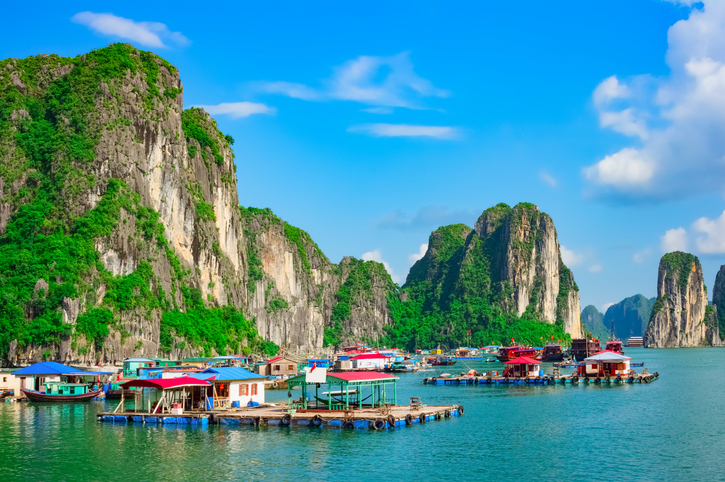


Adventure Travel
Embrace the thrill of the wild with adrenaline-pumping adventures and breathtaking outdoor escapades.


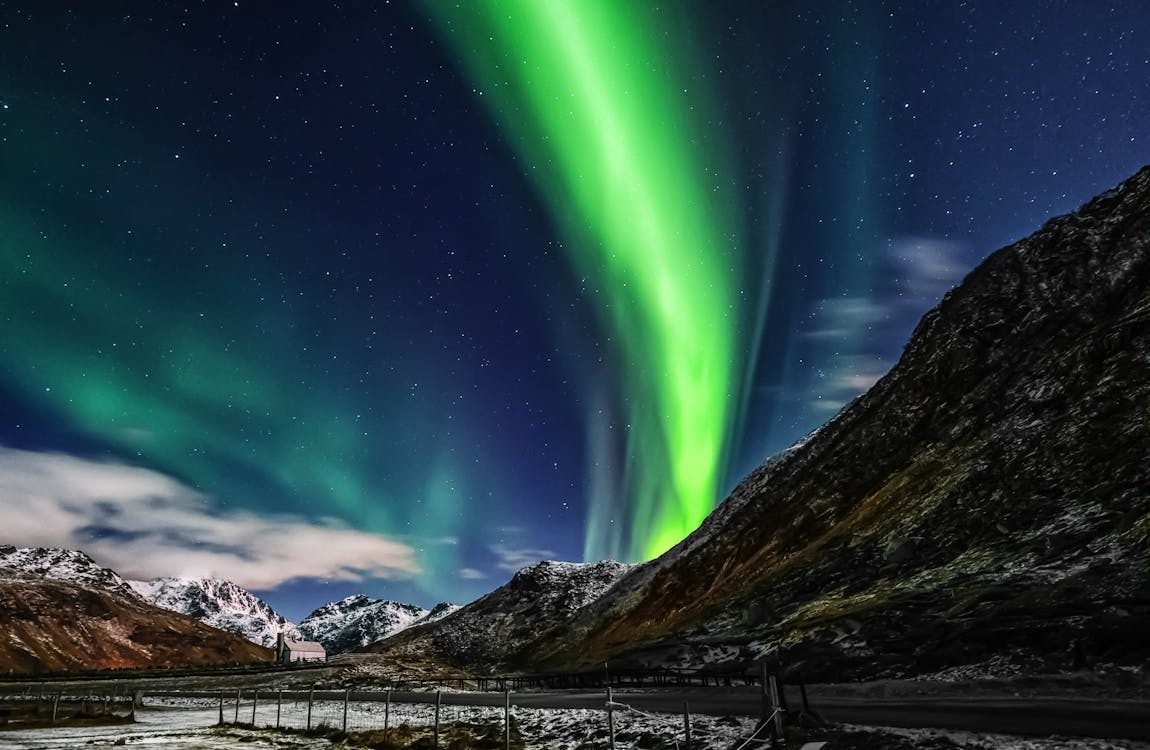


Browse By Category
A treasure trove of travel inspiration and insightful travel guides loved by our passionate globetrotters.


Join our Passionate Globetrotters Community
Sign up now for exclusive travel trends to be delivered straight to your inbox.

Heritage & Culture
Unveil the untold stories, hidden gems, and profound legacies that breathe life into our world's diverse cultural tapestry.


Travel Guides
From must-see landmarks to off-the-beaten-path treasures, travel guides offer an invaluable companion for crafting your perfect itinerary.

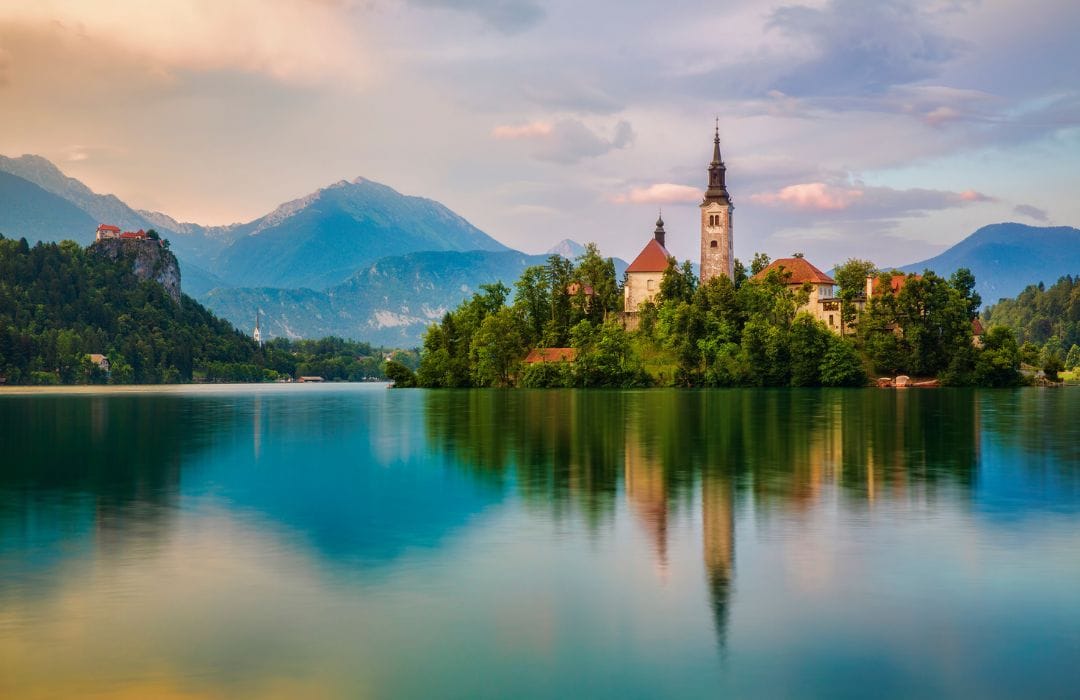
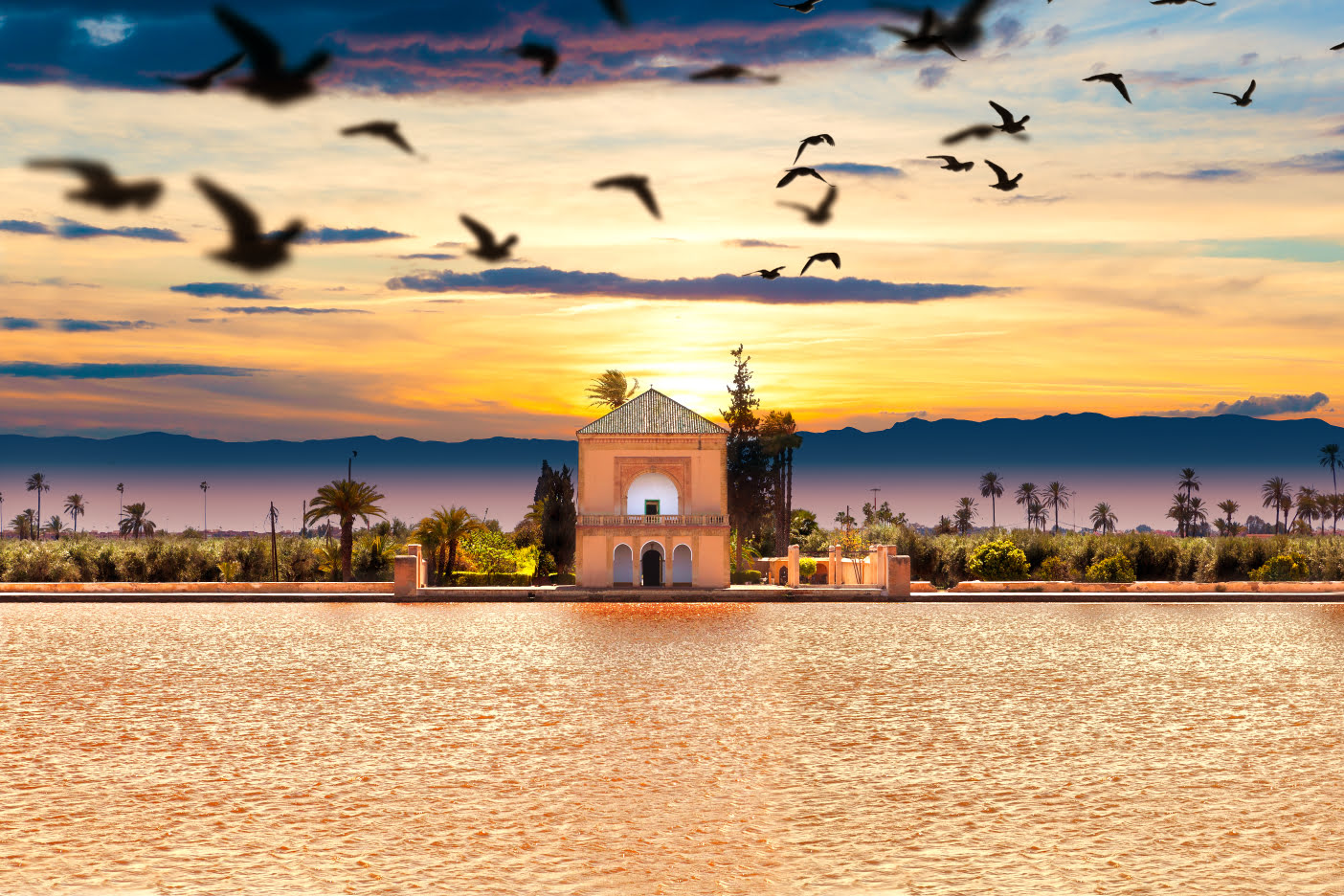
Destinations
Dive into our diverse travel destination categories and unlock the beauty of the globe.


Travel Tips & Advice
From packing hacks to budget-friendly strategies, travel smarter and smoother with our trusted travel tips.


Travel Videos
Experience the thrill of travel through vivid storytelling and stunning visuals in immersive travel videos.